Are conservation rooflights double glazed?
Yes. Historic appearance, modern performance, and nobody is asking you to accept single glazing.
Part of our Conservation Rooflight Installation guide
Yes. A modern conservation rooflight carries a sealed double glazed unit with a low emissivity coating, argon fill and a warm edge spacer, exactly as any other quality rooflight does.
The performance
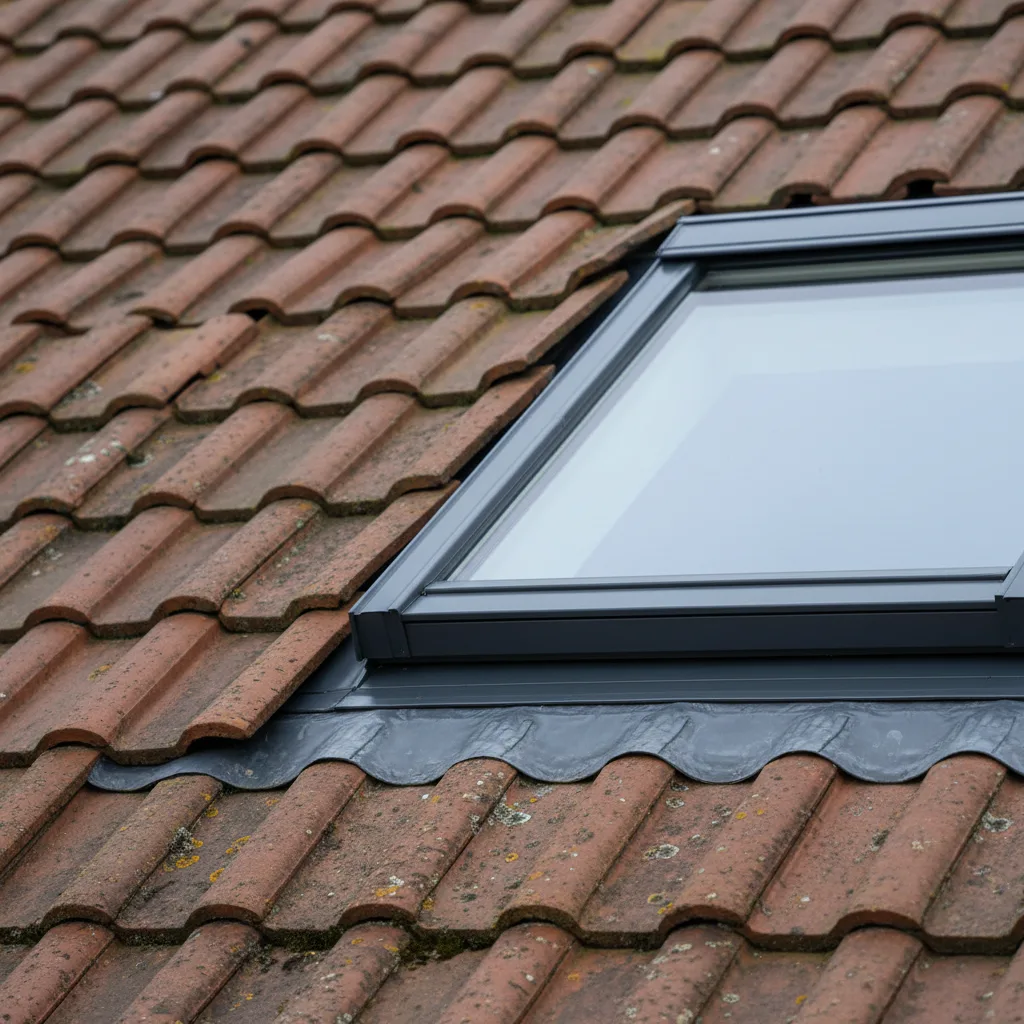
Typically a whole unit U-value in the range of 1.2 to 1.6 depending on the model and size, comfortably clearing the 2.2 expected for a replacement in an existing dwelling.
Steel frames are slightly less thermally efficient than an insulated timber or polyurethane frame, which is why the figure is sometimes marginally higher than a domestic roof window. It is a small difference and it clears the requirement.
Where the appearance comes from
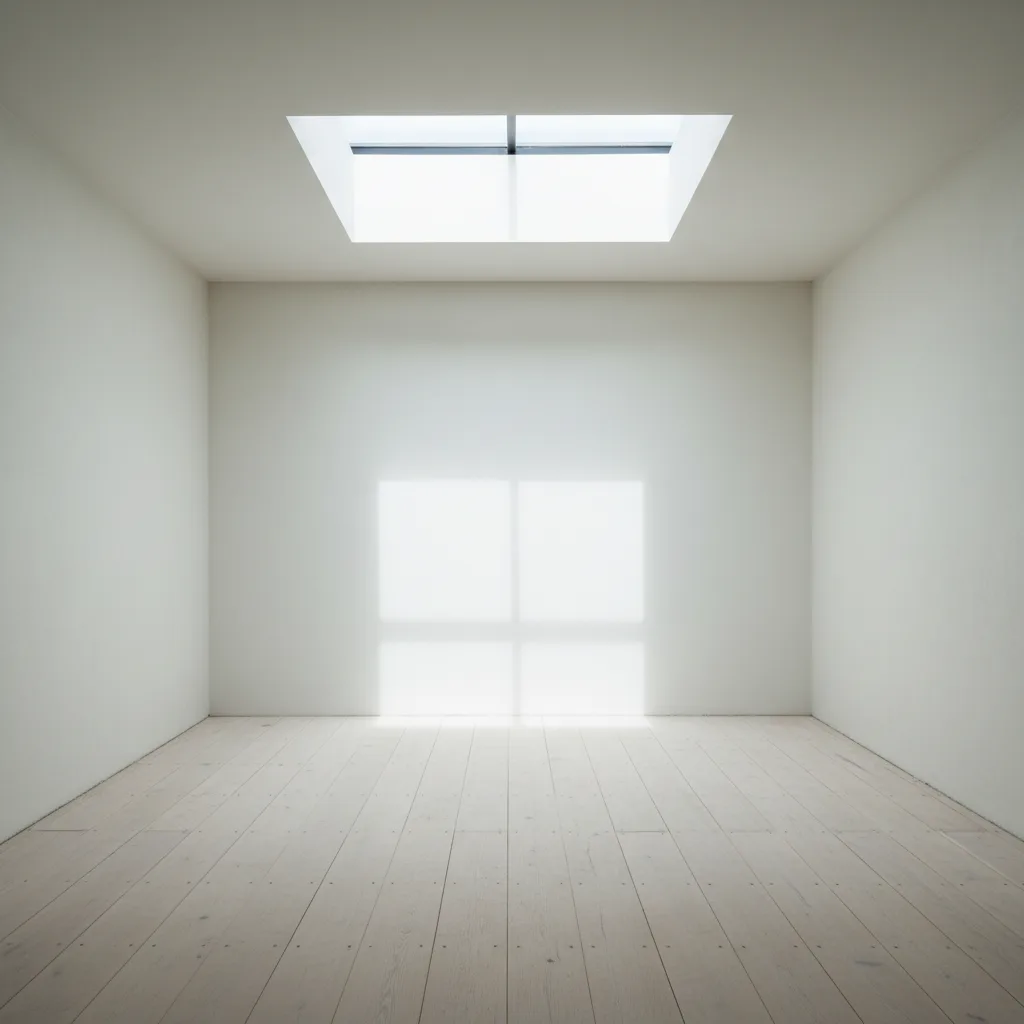
Not from the glass. From the flush installation, the single central bar and the slim black steel frame. Those three things are what make it read correctly on a historic roof, and none of them requires single glazing.
Options

Most manufacturers offer solar control, acoustic laminates and obscured glass in the same frames. On a south facing conservation rooflight over a converted attic bedroom, solar control is as worthwhile as it is anywhere else.
Triple glazing

Available on some models. In a slim steel frame it adds weight the frame was not really designed around, and the same reservations apply as anywhere: it gains modestly, costs substantially and transmits less light.
Single glazed versions

They do exist, generally for unheated spaces such as a barn, a church roof or an outbuilding where there is no thermal requirement.
In a habitable room, a replacement is expected to meet the thermal standard, so single glazing is not an option even if somebody wanted it for authenticity.
Modern ones, yes

A current conservation rooflight is a properly specified double glazed unit with a low emissivity coating, argon fill and a warm edge spacer, in a steel frame. Whole unit U-values are typically comparable with a mass market roof window, and they clear the Part L threshold for a replacement comfortably.
There is no thermal penalty for choosing a conservation unit over a standard one, which surprises people who expect the heritage appearance to come at a performance cost.
What the steel frame does

Steel conducts heat well, so a conservation frame is a thermal weak point in a way an insulated timber or composite frame is not. Good manufacturers address this with a thermal break in the profile.
Because the frames are slim, which is the whole point of the design, the proportion of frame to glass is lower than on a bulkier unit, so the effect on the whole unit figure is smaller than you might expect.
Ask for the whole unit U-value rather than centre pane, and ask whether the profile is thermally broken.
The genuine exception

A surviving historic rooflight, cast iron and single glazed, retained for heritage reasons. That is a single glazed hole in the roof and no modern standard applies to it.
Where one is being kept, secondary glazing below it is usually the compromise a conservation officer will accept, and proposing it rather than waiting to be asked makes for a smoother application.
Triple glazing in a conservation unit
Rarely offered and rarely appropriate. Conservation units are slim by design, the frames are not built for the extra weight, and the thicker unit changes the sightline that the whole product exists to preserve.
Double glazing with a warm edge spacer is the right specification here.
Options worth asking about
Solar control glass, where the unit faces south or west. Available on most conservation ranges and worth having, because these units go into rooms that were not designed for glazing.
Acoustic laminate, where the rooflight is over a bedroom in a town centre property.
Obscure glazing, where a bathroom is overlooked from higher ground.
All three cost a modest premium at the point of order and none can sensibly be added later.
What to check on the frame
Powder coated steel does not need painting, but it is worth checking the coating every few years for damage, because exposed steel corrodes where timber and aluminium do not. On a coastal or exposed site that check matters more.
What the glazing specification affects
Three numbers are worth asking for, and they are not interchangeable.
The whole unit U value, not the centre pane figure. Conservation rooflights are frequently small, and a small unit has a lot of perimeter relative to its glass area, so the frame and spacer carry a large share of the heat loss. The centre pane number flatters these units more than most.
The g value, which sets solar gain. On a south facing slope in a loft room this matters more than people expect.
And whether the unit has a warm edge spacer, which is the component that most affects where condensation first appears at the glass edge.
Whether the third pane is worth it here
Available from most makers and rarely the right choice here.
A triple glazed unit is thicker and heavier, which pushes the profile up, and profile depth is the whole point of a conservation rooflight. Gaining a small thermal improvement at the cost of the low profile that got the unit approved is a poor trade.
Where thermal performance is the priority on a designated building, the better route is a good double glazed unit with a warm edge spacer, an insulation collar around the frame, and an insulated reveal. The perimeter detailing is worth more on a unit this size than the third pane is.
More on Conservation Rooflight Installation
Ready to bring the daylight in?
Tell us about your project and we’ll send a clear, fixed written quote, no pressure, no surprises.
- Fixed written price before any work starts
- No pressure, no obligation, no sales calls
- Flexible survey times that suit you
- A reply within one working day