Rooflight and skylight installation in Dedham
The centre of Constable country, and the most planning-sensitive village we work in.

Rooflights we install in Dedham
Every job is surveyed first. The right unit depends on the roof you have, not on what we would rather sell.
 Roof Lantern Installation
Read more
 Flat Roof Rooflight Installation
Read more
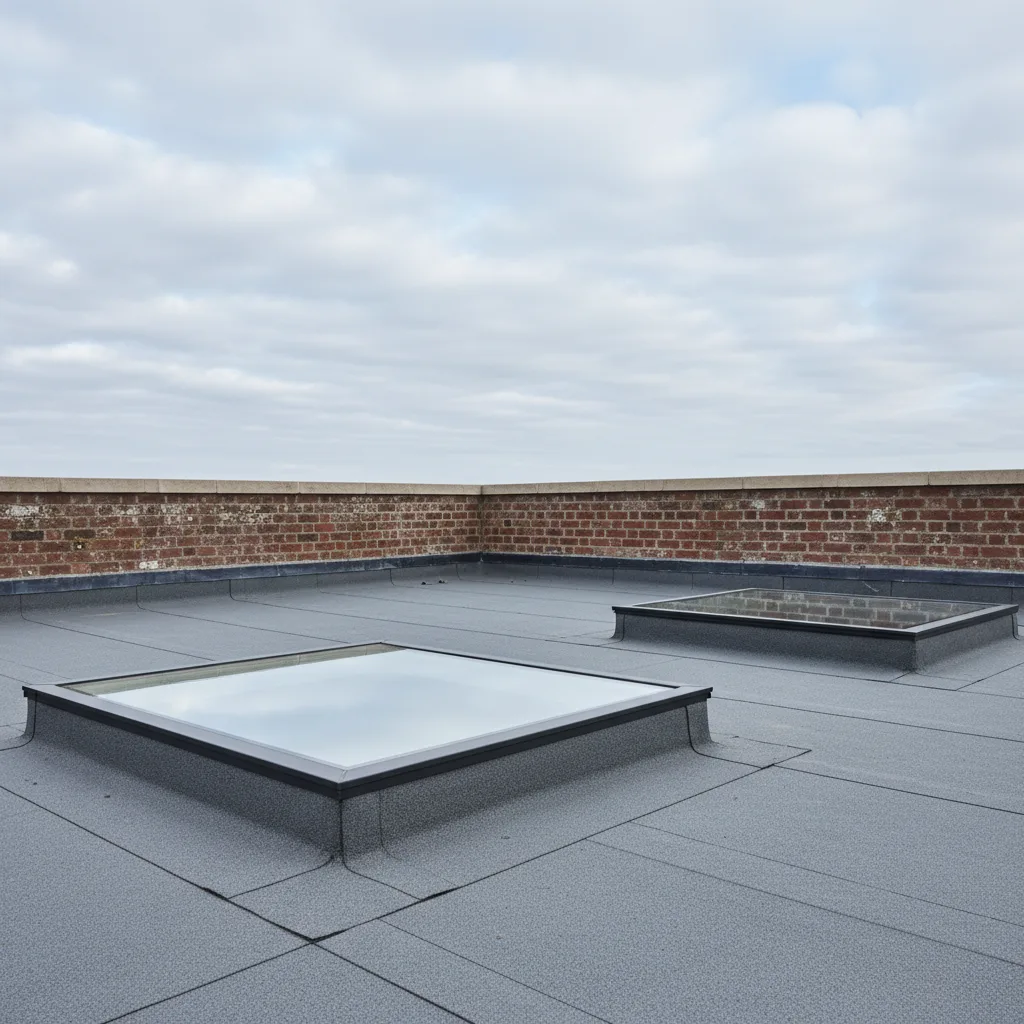 Roof Window Installation
Read more
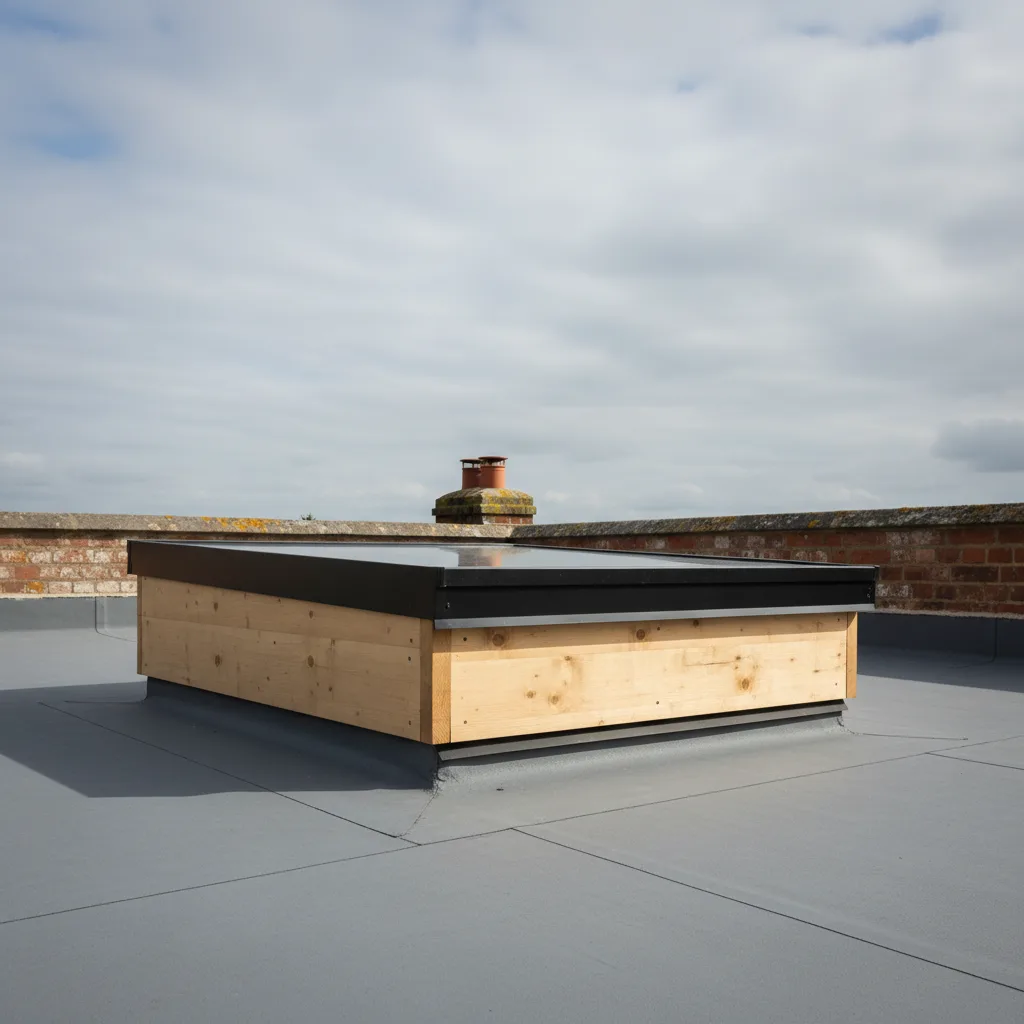 VELUX Window Installation
Read more
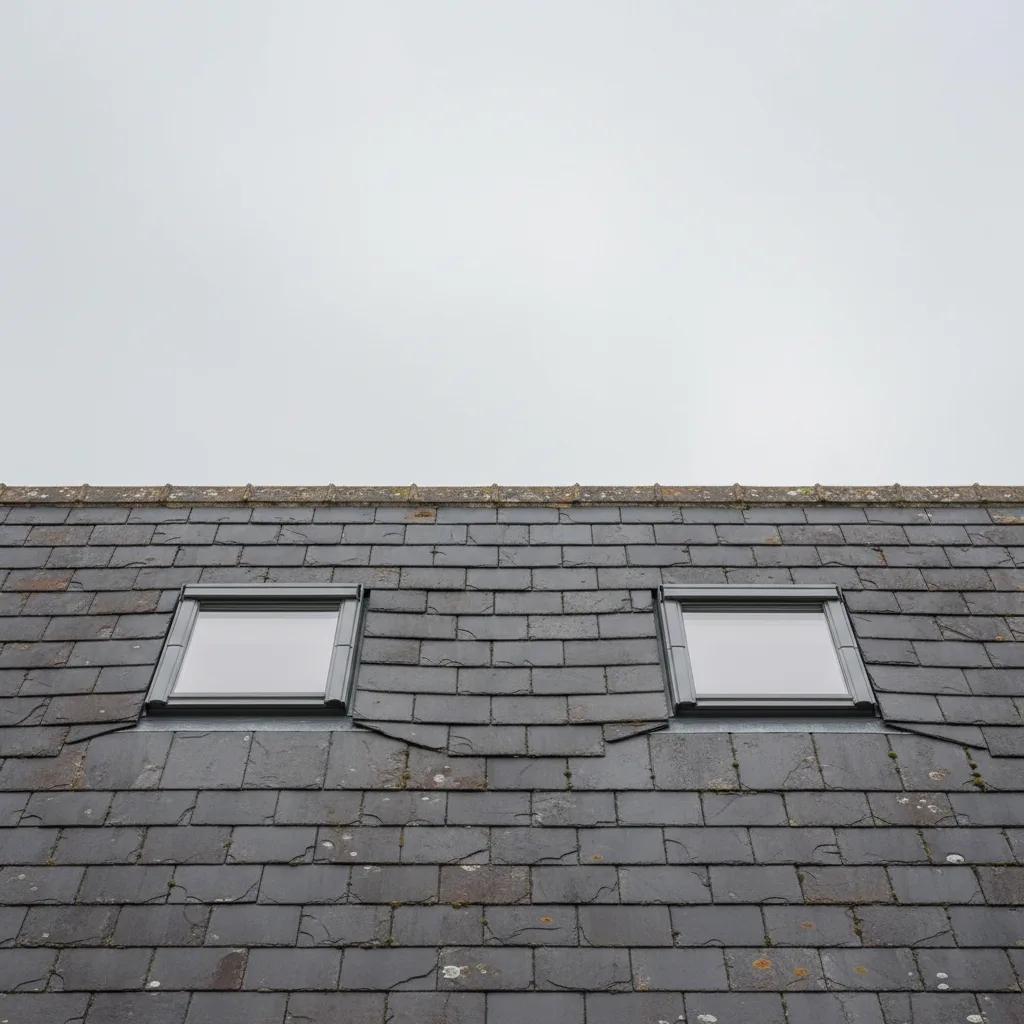 Electric and Opening Rooflights
Read more
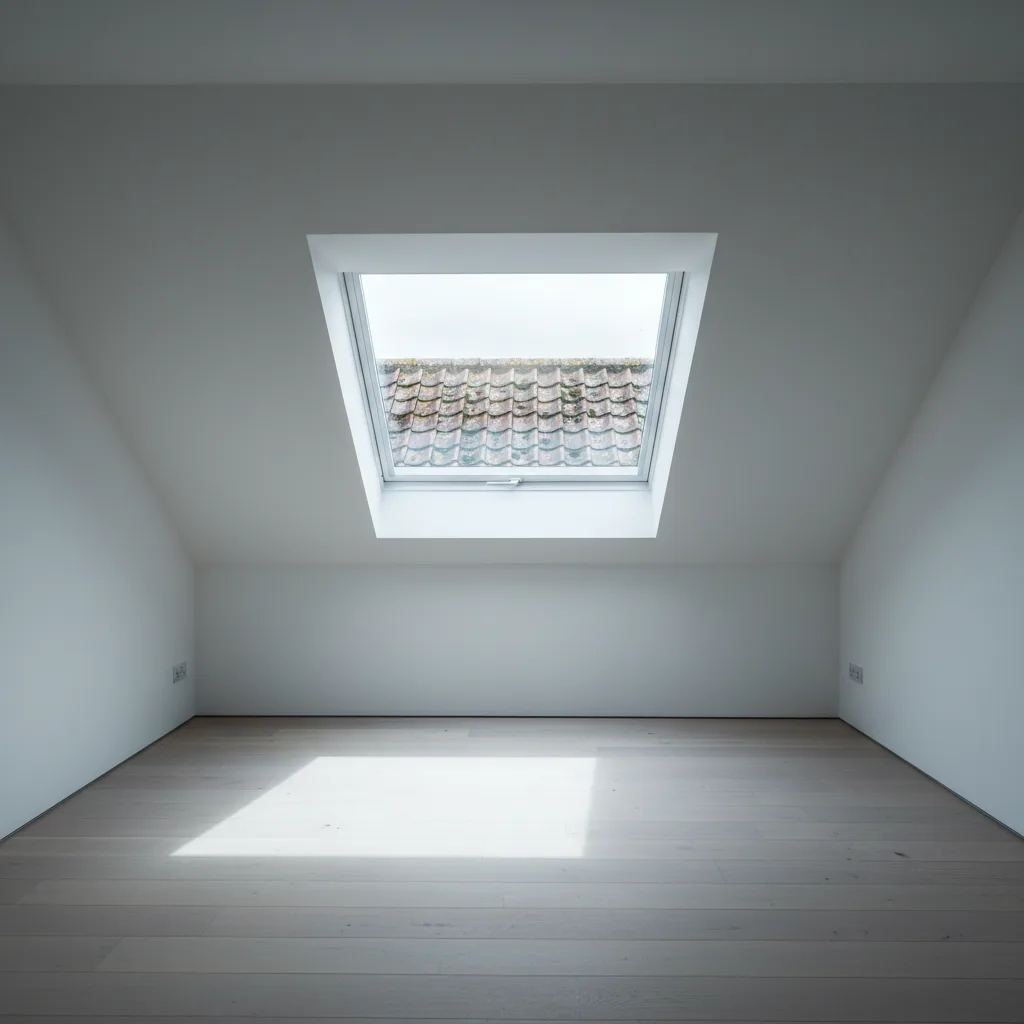 Energy Efficient Rooflights
Read more
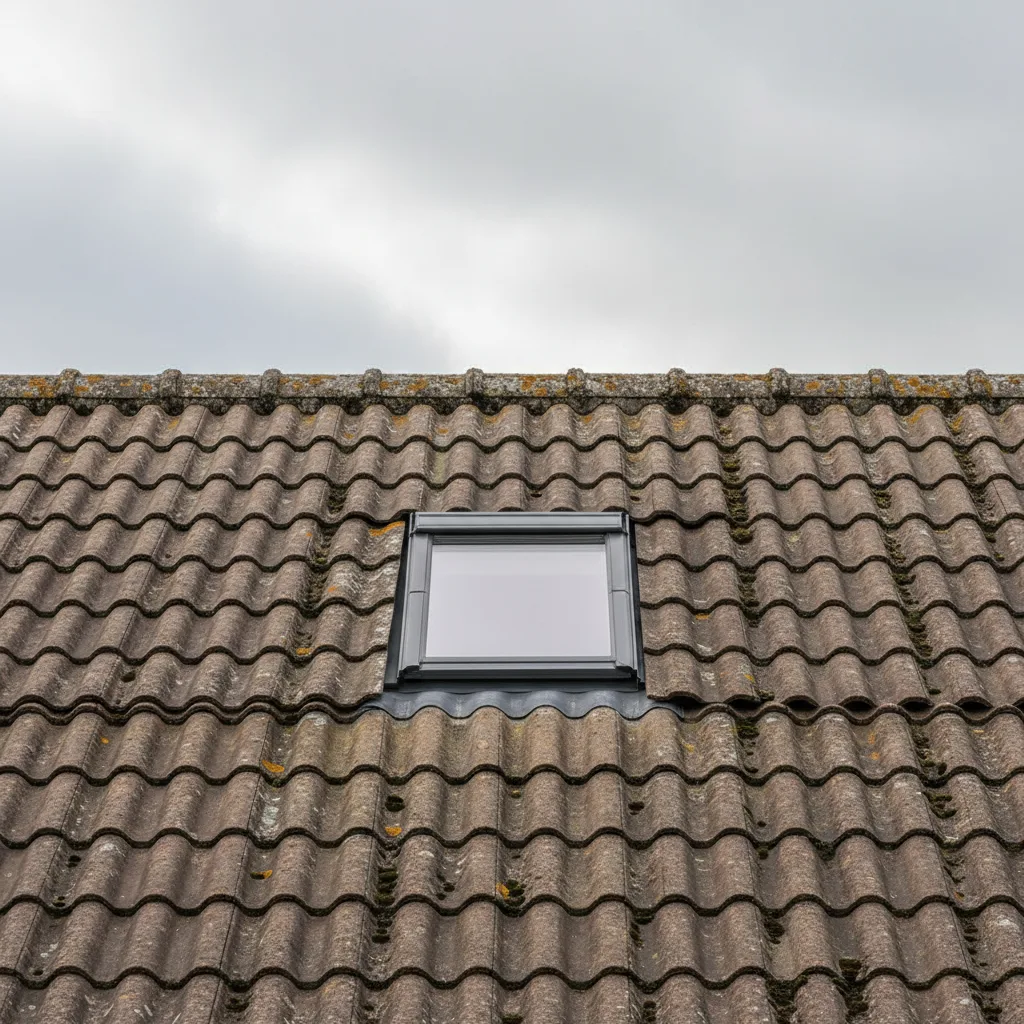 Replacing a Failed or Misted Rooflight
Read more
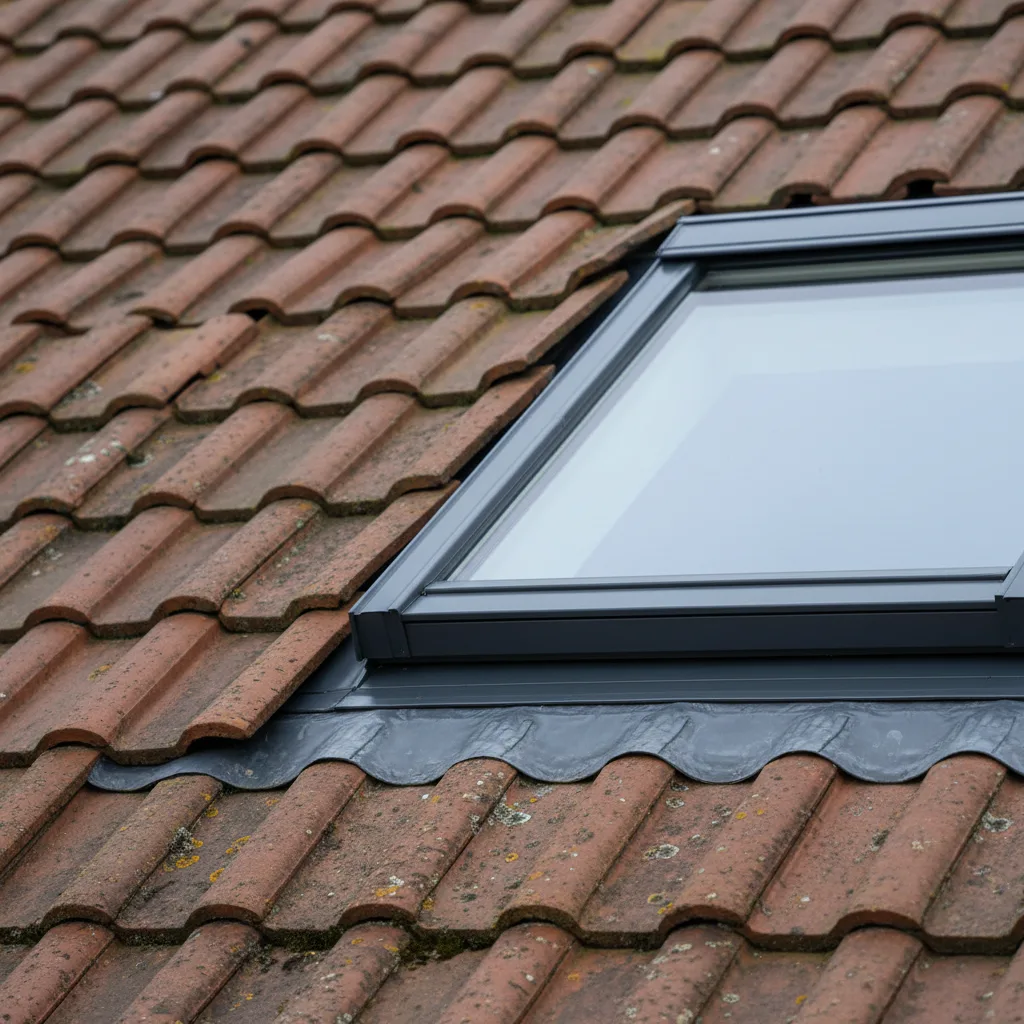 Walk-On Rooflight Installation
Read more
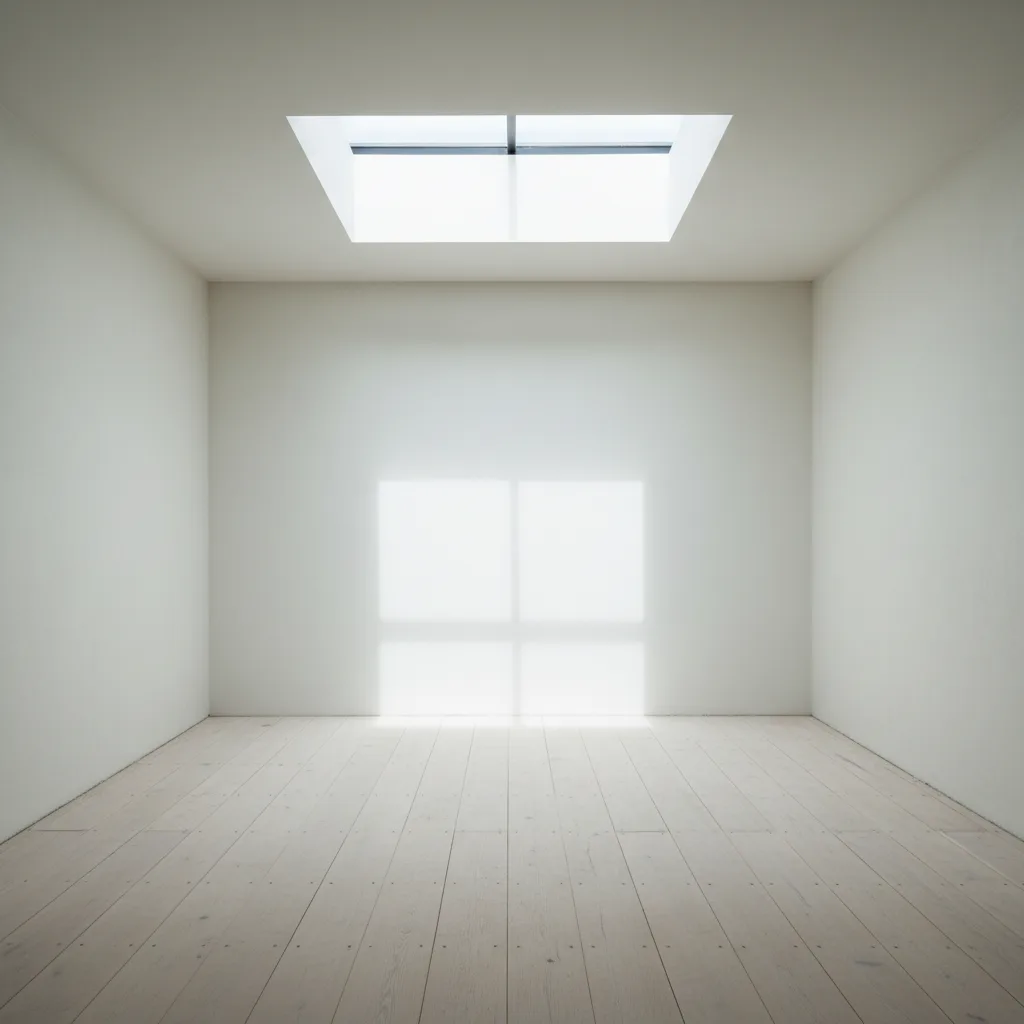 Conservation Rooflight Installation
Read more
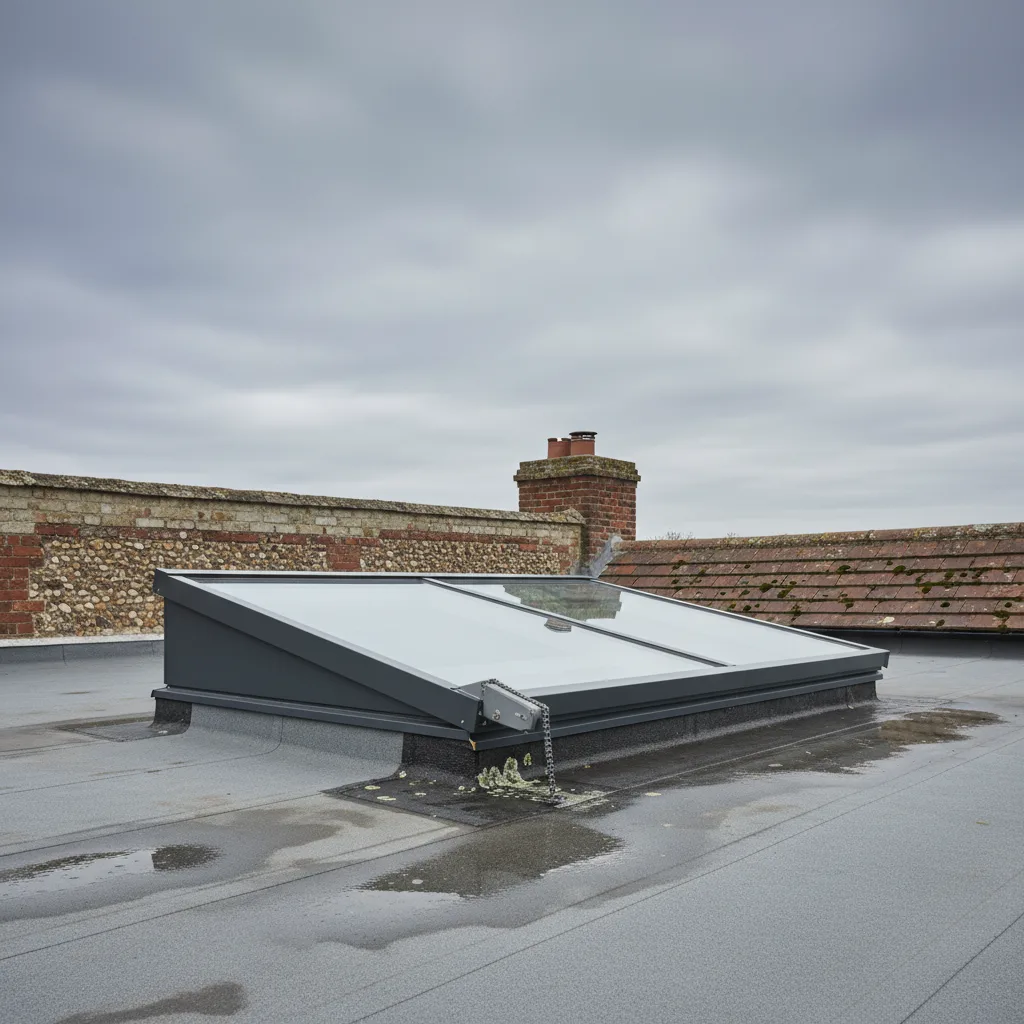 Sun Tunnel Installation
Read more
Dedham is the most planning-sensitive place on our patch. A nationally designated landscape, a conservation area over the whole village, and a high concentration of listed buildings along the High Street and out towards the mill.
Assume consent is needed

In most villages the question is which slope. Here the working assumption is that any rooflight will be assessed, and on a listed building it needs listed building consent regardless of permitted development, because consent covers anything affecting character.
That is not a reason not to do it. It is a reason to start with the conservation officer rather than with a product. A short conversation before anything is designed will tell you what is likely to be acceptable, and it takes days rather than the weeks a formal application takes.
The only product that gets agreed

A flush conservation rooflight: steel framed, single central glazing bar, sitting almost level with the covering. A standard roof window standing proud of the tiles will be refused here, and rightly.
These are double glazed with a low emissivity coating, so the appearance is historic and the performance is modern. Nobody is asking you to accept single glazing for the look.
Old roofs move

Timber framed buildings several centuries old have roofs that are not flat, straight or square. A made to size unit has to be measured against what is actually there, and the setting out has to allow for a covering that undulates. That is why we survey these properly rather than working from a size code.
Skylight and rooflight work we cover in Dedham

Roof lanterns, flat roof rooflights, roof windows, VELUX replacements, conservation units and sun tunnels, all surveyed before they are quoted. We also work in East Bergholt, Langham and Ardleigh.
Heritage first, product second

Dedham is the most constrained place we work. The village sits in the Dedham Vale National Landscape, almost all of the historic centre is a conservation area, and the concentration of listed buildings along the High Street, Mill Lane and the roads off them is exceptional even by Essex standards.
That does not mean rooflights are impossible here. A great many have been installed in Dedham perfectly properly. It means the sequence is different: you establish what is permitted, then choose a unit that satisfies it, then price the work. Doing it the other way round produces a quotation for something that will not be consented.
Three regimes, and they stack
Listed building consent. Required for a new rooflight or skylight on a listed building, always. Front slope or rear slope, visible from the road or invisible from anywhere, it makes no difference: the listing covers the entire building, inside and out, and a rooflight is an alteration to it. There is no permitted development for listed buildings and no small works exception. Carrying out the work without consent is a criminal offence rather than a planning irregularity, and it attaches to the property, which means it surfaces on sale.
Conservation area and Article 4. Being in a conservation area does not by itself remove permitted development rights for rooflights on an unlisted house. What removes them is an Article 4 direction, and directions are common in villages of this quality, particularly for elevations fronting the street. Whether one applies to your address is a matter for the council rather than a judgement call, and it is a short enquiry.
The National Landscape designation. This affects how planning applications are determined rather than whether they are needed. Considerable weight is given to conserving the landscape and the character of the settlement within it, which in practice means a proposal visible in longer views across the Vale faces more scrutiny than one that is not.
An unlisted house on a back lane in Dedham may well be permitted development. A listed cottage on the High Street is certainly not. Establish which you are before anything else.
What gets approved
Consistently, four characteristics, whatever the wording of the individual decision.
It sits low. A conservation rooflight is built to sit close to the plane of the covering rather than standing proud of it. From the ground the roof reads as a roof with a dark rectangle in it rather than as a roof with a box on it. This matters more than everything else combined.
It is upright. Taller than it is wide, because that is what the original cast iron rooflights were. A wide landscape unit reads as modern immediately, however correct the rest of it is.
It has a central glazing bar. The vertical bar dividing the glass is the visual signature of a historic rooflight, and its absence is the single most common reason a Dedham design is refused.
It is matt black or very dark. Not gloss, and certainly not white or light grey, which read as plastic at any distance.
The roofs themselves
Handmade clay plain tiles and peg tiles predominate on the older buildings, with some slate on the nineteenth century additions and thatch on a small number of properties, which is a different trade altogether and not one we work in.
Handmade clay is the most demanding covering in this trade. The tiles are small, laid in double lap, irregular by nature, and old ones are brittle. Lifting them to form an opening is slow work, a proportion will break whatever care is taken, and matching a weathered handmade tile is genuinely difficult. The usual answer is to take sound tiles from a hidden slope and place the replacements there so the visible elevation stays consistent. On a listed building that approach may itself need to be described in the consent application.
Underneath, expect surprises. A roof that has never been stripped may have no underlay at all, just tiles on riven battens with the rafters visible. Modern rooflight weathering assumes a membrane to lap into, and where there is none the detail is built around the opening instead. It is entirely normal, it is more work, and it should be priced rather than discovered.
Timber framed buildings move. Rafters are irregular in size and spacing, frequently not straight, and sometimes historic in their own right. On a genuinely old roof, the timbers may be part of what is listed, which means an opening is positioned to avoid them rather than through them.
Making an application that works
Conservation officers see a lot of vague applications. A precise one gets a faster and better answer.
Name the product, give the model and the size, and include the manufacturer’s section drawing showing exactly how far the unit stands above the covering. That drawing answers the question the officer actually cares about, and its absence is why applications get held.
Show the position on an elevation rather than only on a plan, and describe honestly what is visible from where. A rear slope screened by the ridge from every public vantage point is a much easier case than the same unit at the front, and saying so plainly helps rather than hurts.
Where an existing modern rooflight is being replaced by a conservation unit, say so explicitly. Swapping a plastic dome for a black steel conservation rooflight is a heritage improvement and framing it that way is both true and useful.
We prepare this material as part of the job: the survey, the product drawing and a clear written description. It is not a planning consultancy and we do not charge as one, but it covers most domestic applications in the village.
Living with a conservation unit
They are different objects to use as well as to look at. Most are top hung or side hung on a stay rather than centre pivot, which gives a clear opening and an unobstructed view but means the outer face cannot be turned inward for cleaning. On anything above easy reach, plan how the glass gets cleaned before it goes in.
Blinds are usually a separate made to measure item fitted to the reveal rather than a clip in accessory, because steel conservation units do not have the accessory ecosystem that mass market roof windows do. Budget for it early.
Thermally they are fine. A modern conservation rooflight is properly double glazed with a warm edge spacer and clears Part L comfortably. Where a genuine surviving Victorian rooflight is being retained for heritage reasons, that is a single glazed hole in the roof, and secondary glazing below it is usually the compromise a conservation officer will accept.
Timescales and access
The fitting is not the long part. Consent is. A listed building consent application runs to months rather than weeks, and a conservation rooflight in a non standard size is manufactured to order with a lead time of several weeks on top. Start the application first and order the unit second.
Access in the village centre is genuinely tight. Narrow frontages directly onto the pavement, limited parking, and in places no side access to the rear at all. Where scaffold has to stand on the highway a licence is required and it takes time to arrange. Where there is no side access, materials sometimes come through the house, which is normal and needs planning rather than improvising on the day.
What to send us
A photograph of the roof, a photograph of the front of the property, and the listing entry if you have it. Tell us the address and we will check the conservation and Article 4 position ourselves. From that we can usually tell you what is realistically achievable before anyone visits, and if the honest answer is that a particular slope will not be consented, we would rather say so at that point than after a survey.
| Local factor | In Dedham |
|---|---|
| Planning authority | Colchester City Council |
| Conservation position | Conservation area inside the Dedham Vale National Landscape, with many listed buildings |
| Typical roof covering | Clay pantile and plain tile |
| Roof structure | Timber frames under cut roofs |
| Exposure | Inland valley, standard coatings |
| Most common job here | Conservation rooflights, and listed building consent is common |
What it costs in a village like this
Dedham work costs more than the same work three miles away, and the reasons are specific rather than a village premium.
The unit. A steel conservation rooflight is a different product from a mass market roof window, built in smaller volumes, and it is priced accordingly. Where a standard unit would be consented, we will say so rather than defaulting to the expensive one.
The covering. Handmade clay is slow to lift, a proportion breaks, and replacements have to be sourced or robbed from a hidden slope. That is time rather than materials, and it is real.
Access. Narrow frontages, limited parking, and in places no side access to the rear. A highway licence for pavement scaffold is a named line rather than a rounding error.
The application. A fee, a drawing and a wait. We prepare the material without charging as a planning consultancy, but the council fee is the council fee.
What is found. Older roofs give up more surprises. Decayed rafter ends and absent underlay are both realistic on a building of this age, and an honest quotation names a contingency for them.
Against all that, the openings are usually modest, the pitches are steep enough that gravity does half the weathering work, and a conservation unit fitted properly into a good roof will outlast everyone involved.
Questions we are asked here
Can I have a rooflight at all on a listed building? Frequently yes. A great many have been consented in this village. What is required is consent first, a low profile conservation unit, and a position that does not cut historic timber.
Does a rear slope avoid the need for consent? No. On a listed building the listing covers the whole building and consent is required for any slope, visible or not. On an unlisted house in the conservation area, a rear slope may well be permitted development unless an Article 4 direction applies.
How long will it take? Consent is months. A made to measure conservation unit is several weeks after that. The fitting itself is a day for a replacement or three to four days for a new opening.
Will you handle the application? We prepare the survey, the product drawing and the written description as part of the job. It covers most domestic applications and we do not charge as a planning consultancy.
What if the answer is no? We would rather tell you before a survey than after. Where a slope will not be consented, a sun tunnel on a different slope is frequently the option that will be.
Asked by people in Dedham
How restrictive is Dedham really?
It is the most planning-sensitive place we work. A nationally designated landscape, a conservation area over the whole village, and a high concentration of listed buildings. Assume consent is needed and plan the programme around it rather than hoping.
Can I have a rooflight at all?
On many properties, yes, with the right product in the right position. Rooflights are granted on buildings like these regularly. What will not be granted is a standard roof window standing proud on a slope visible from the village street.
What does listed building consent involve?
An application covering the interior as well as the exterior, supported by the manufacturer's section drawing, elevations showing what is visible from the public realm, a roof plan showing the unit positioned relative to the rafters and purlin, and a heritage statement proportionate to the building.
What happens if the work is done without consent?
On a listed building it is a criminal offence, not a planning breach, and there is no equivalent of the immunity that eventually attaches to unauthorised planning development. It also surfaces at sale when solicitors ask. We do not start without it.
More areas we cover
Ready to bring the daylight in?
Tell us about your project and we’ll send a clear, fixed written quote, no pressure, no surprises.
- Fixed written price before any work starts
- No pressure, no obligation, no sales calls
- Flexible survey times that suit you
- A reply within one working day