Rooflight and skylight installation in Danbury
A hilltop village with wide views, mature woodland and substantial detached housing.

Rooflights we install in Danbury
Every job is surveyed first. The right unit depends on the roof you have, not on what we would rather sell.
 Roof Lantern Installation
Read more
 Flat Roof Rooflight Installation
Read more
 Roof Window Installation
Read more
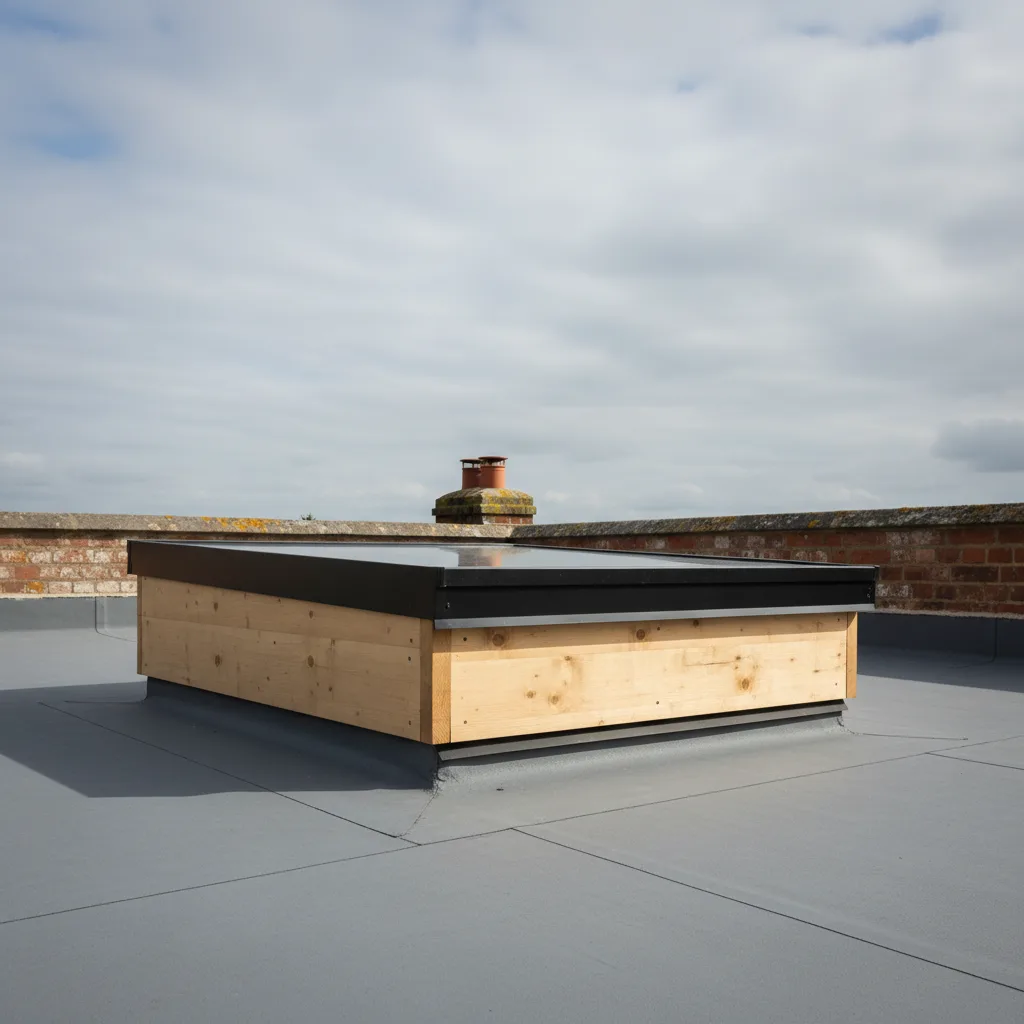 VELUX Window Installation
Read more
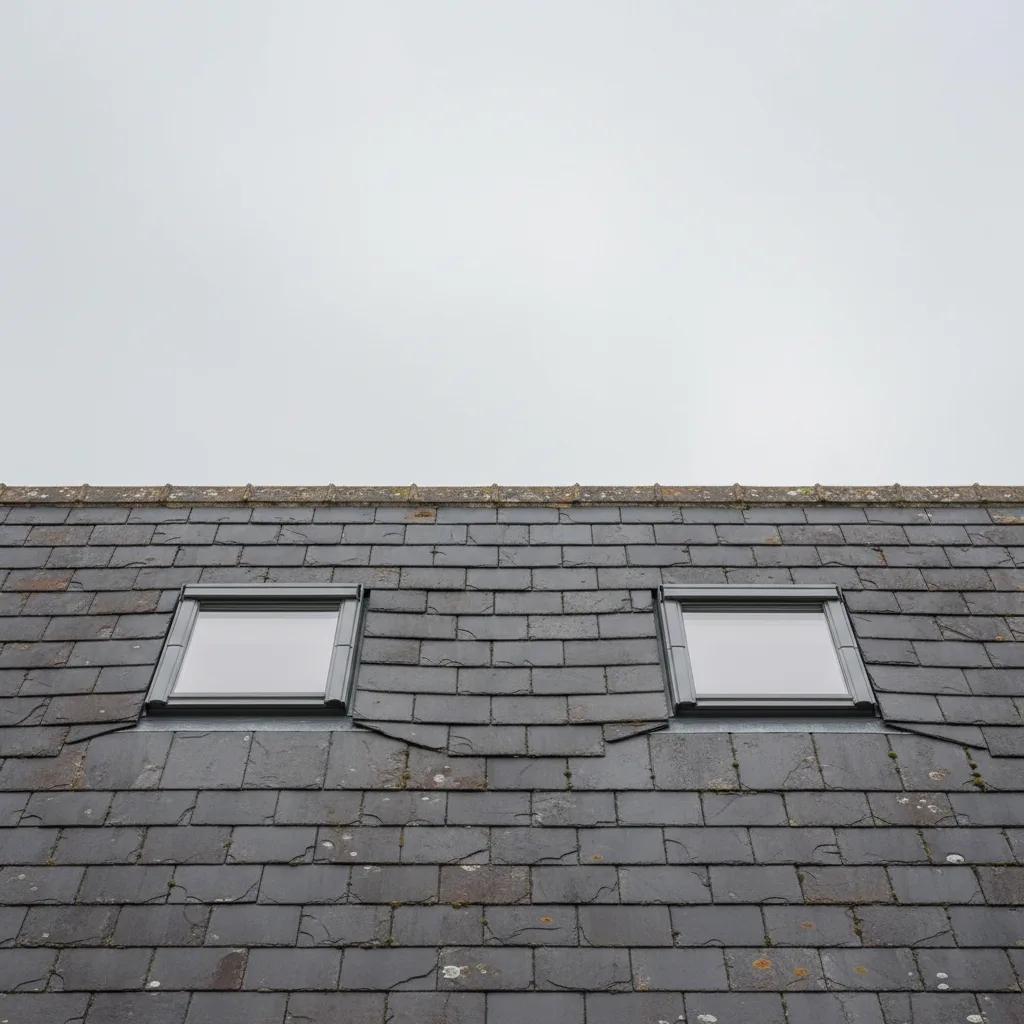 Electric and Opening Rooflights
Read more
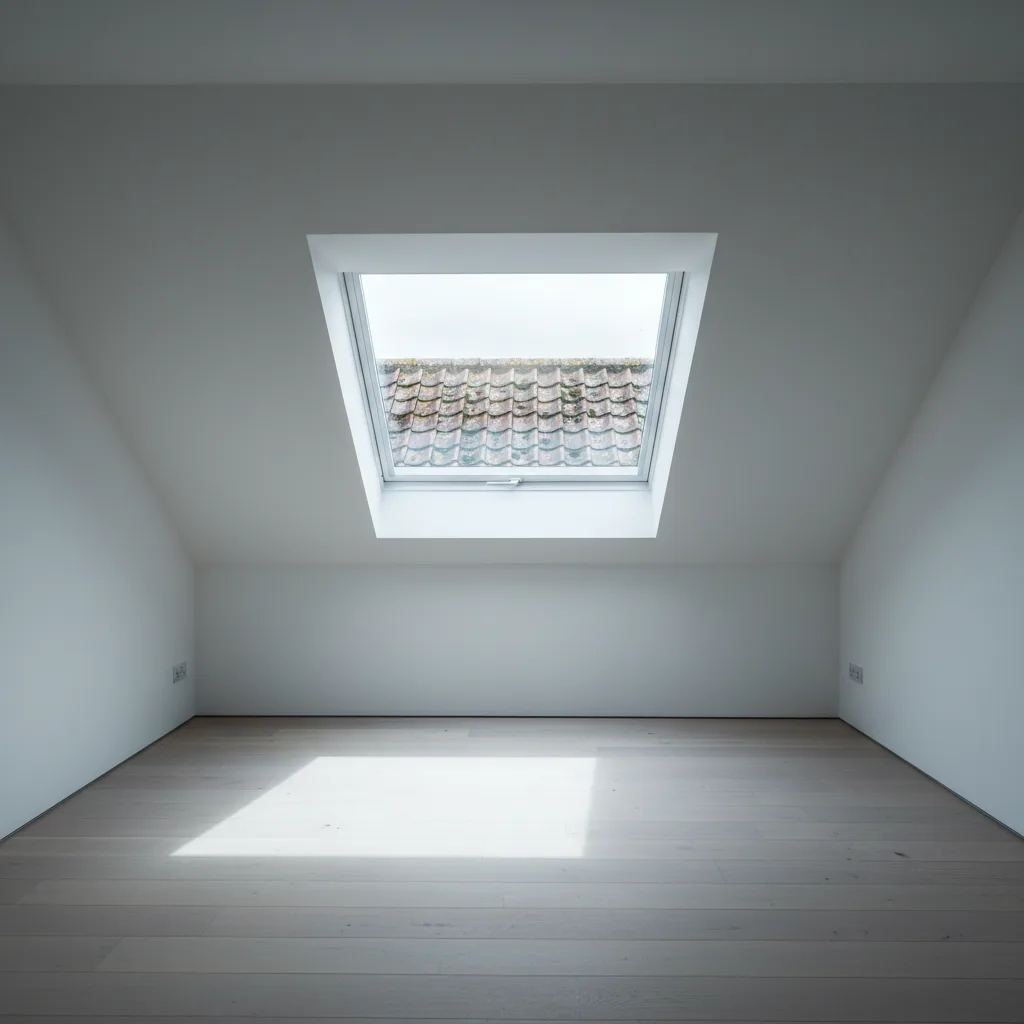 Energy Efficient Rooflights
Read more
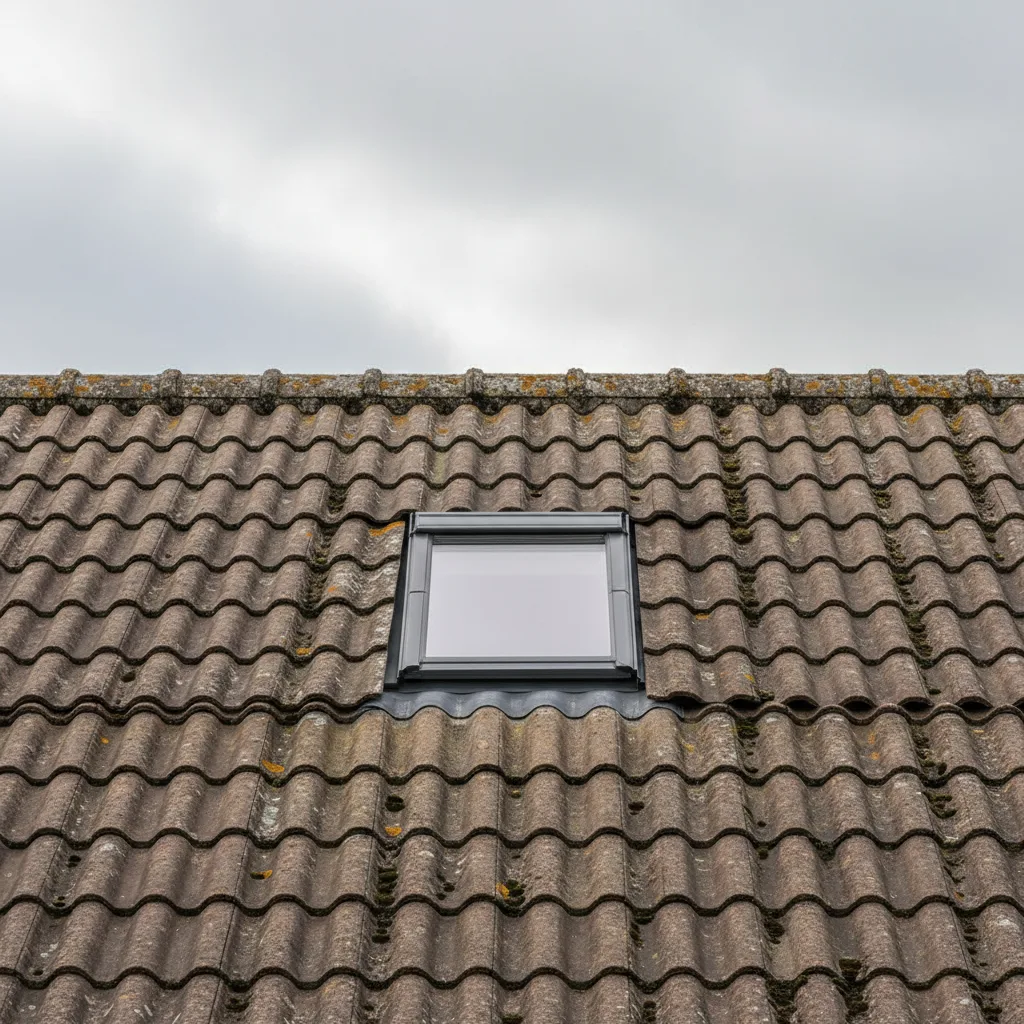 Replacing a Failed or Misted Rooflight
Read more
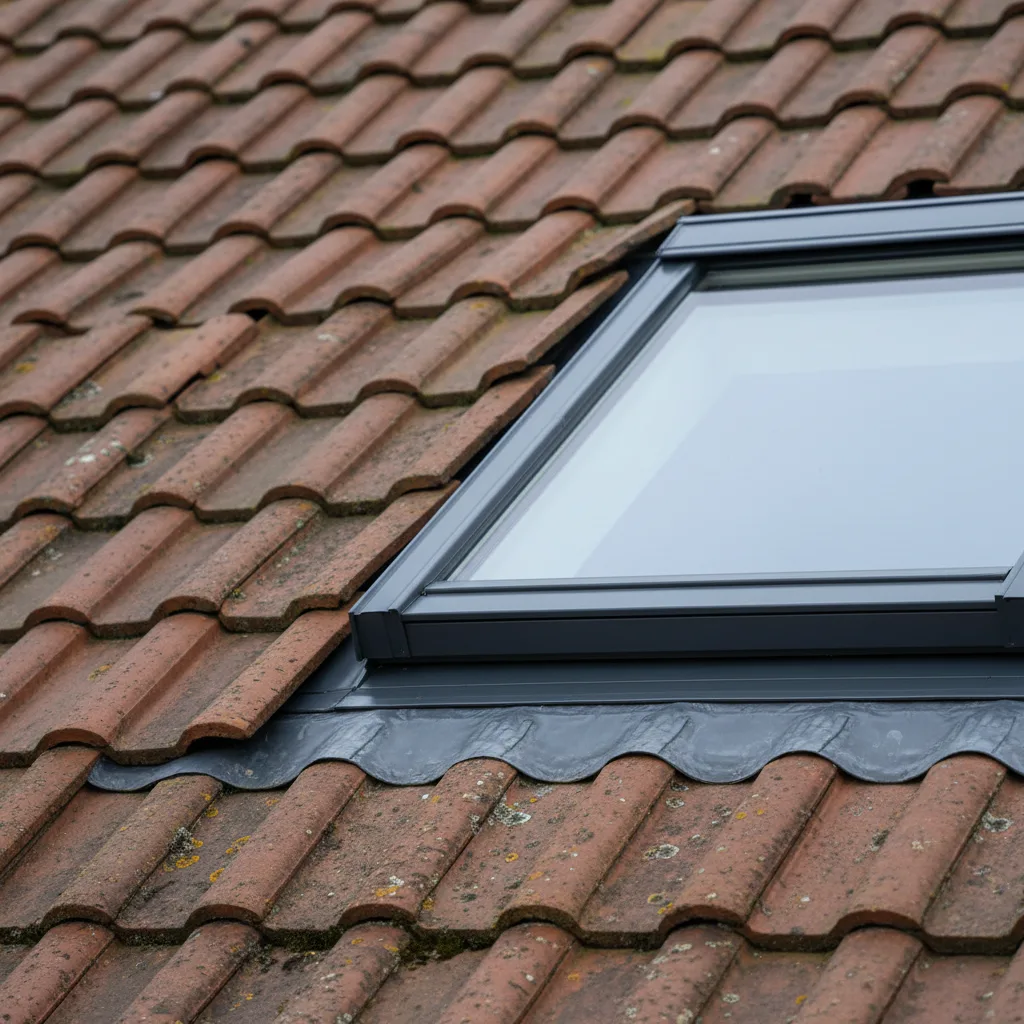 Walk-On Rooflight Installation
Read more
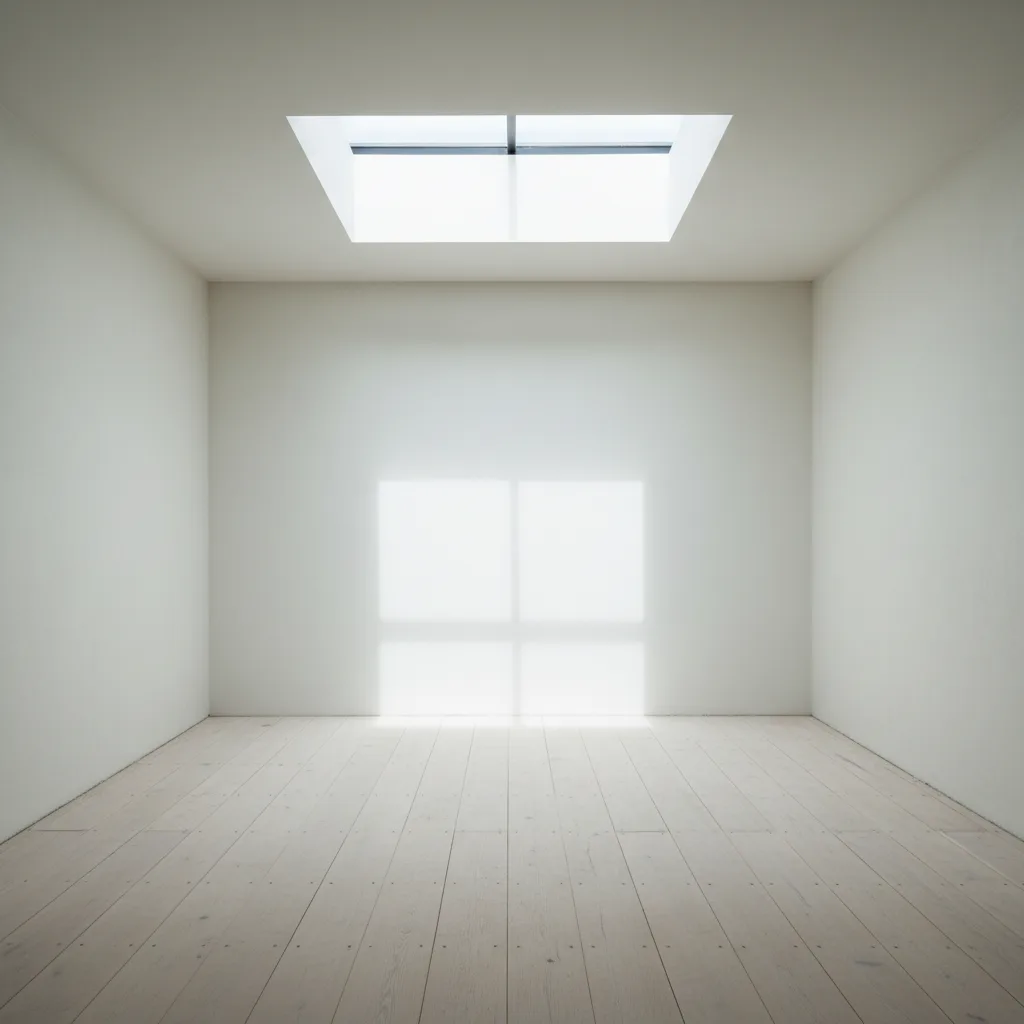 Conservation Rooflight Installation
Read more
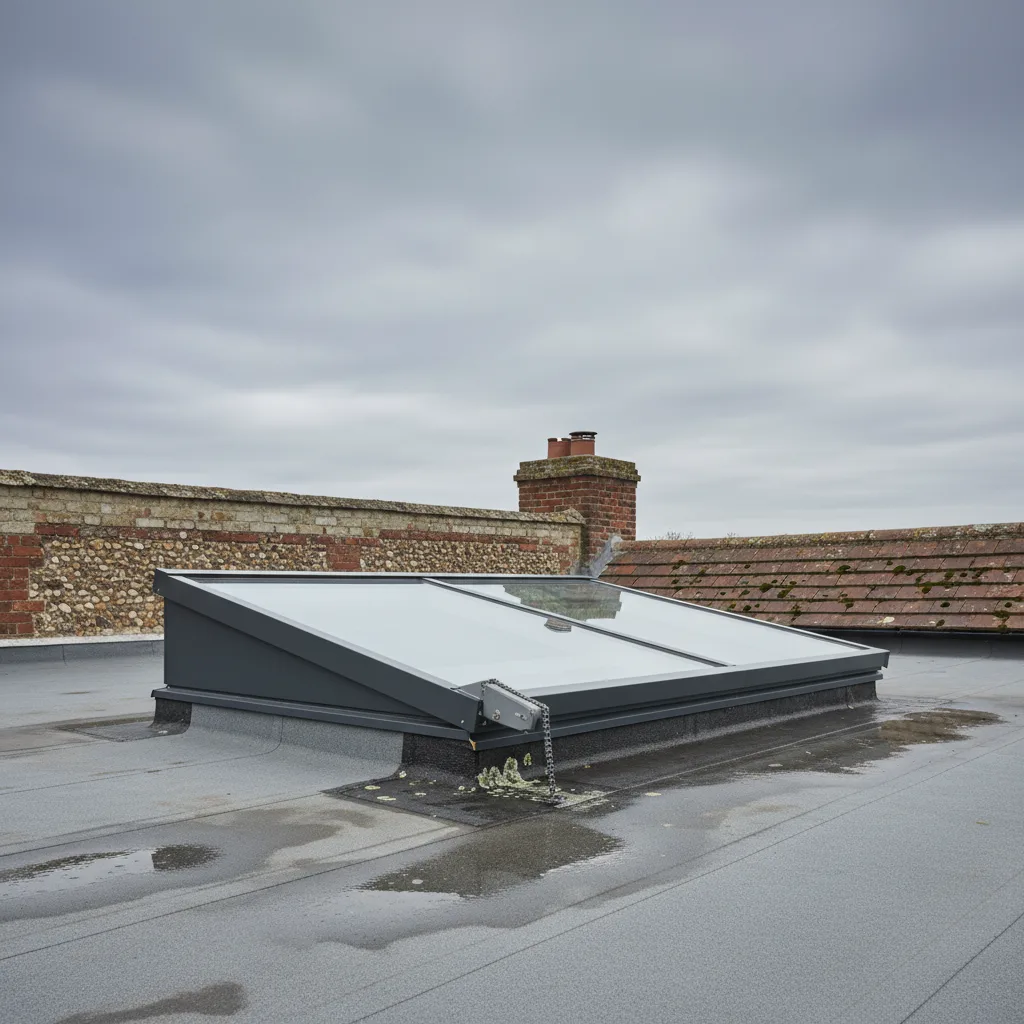 Sun Tunnel Installation
Read more
Danbury sits on one of the higher points in Essex, a village of substantial detached houses among woodland with wide views over the Blackwater valley.
Exposure without salt

The elevation means real wind exposure, but there is no salt this far inland. Standard architectural coatings are fine; weathering details need to be right because wind driven rain arrives with force.
Big houses, big roofs

The stock here is largely detached and generous, much of it twentieth century, with room for the products that need space. Wide rear extensions suit a roof lantern, and where a first floor terrace sits over a room below a walk-on unit is a real option rather than a theoretical one.
Trees

Danbury is wooded, and that matters more than people expect. A rooflight under a mature canopy receives far less light than the same unit in the open, and it collects leaf debris that a steeper pitch would shed. Where trees overhang, we say so at survey rather than letting someone buy a unit that will underperform and need cleaning constantly.
Skylight and rooflight work we cover in Danbury

Roof lanterns, flat roof rooflights, roof windows, VELUX replacements, conservation units and sun tunnels, all surveyed before they are quoted. We also work in Hatfield Peverel, Maldon and Heybridge.
A hilltop village of larger houses and mature trees

Danbury sits on high ground between Chelmsford and Maldon, with the common and the country park around it, a conservation area covering the historic centre, and a housing stock that runs generally larger and more generously plotted than the district average.
Two things characterise the work here: the trees, and the exposure that comes with height.
Trees, which matter more than people expect
Danbury is heavily wooded and a great many trees are protected, either individually or by virtue of the conservation area, which brings automatic protection for trees above a certain size.
Three practical consequences.
Access positions. A scaffold or crane position may need to work around a canopy rather than through it, and lopping a protected tree to make room for a delivery is not a decision to take on site. Worth raising at survey.
Maintenance. Mature trees drop leaves, and leaves collect around a flat roof rooflight kerb and in perimeter drainage. Standing water against a seal is what kills a flat roof unit early, so on a wooded plot the clearing is a twice yearly job rather than an annual one.
Free solar control. A rooflight under a deciduous canopy is shaded in summer and gets full light in winter, which is exactly the right way round. Where that applies, the case for expensive solar control glass is weaker and the money is better spent elsewhere.
Exposure on high ground
A hilltop position takes considerably more wind than a sheltered valley village, and driving rain matters more for a roof window than total rainfall does, because wind driven water is pushed under a covering rather than running down it.
That puts the weathering job on the underlay collar and the flashing kit rather than on gravity. The kit must be correct for the covering and generously lapped rather than a universal one. Stainless fixings rather than plated cost very little more and do not stain an exposed roof.
On larger units and anything that opens, wind loading is worth checking against the site rather than assuming a catalogue figure, because an open sash is a sail.
Larger houses, better specification
Bigger houses do not need bigger rooflights; they need better considered ones.
The most common specification error we correct on properties like these is a single very large unit where two or three smaller ones would do a better job. One large rooflight gives one bright area and leaves the rest of a big room noticeably darker by contrast. Several spaced across the slope give even daylight, read as ambient light rather than as a feature, and are usually easier to fit because each can sit between structural members without trimming. They also fail independently, so a seal failure in twenty years means replacing one unit rather than a very large and very expensive pane.
Where a rear extension is large enough for a lantern to sit in proportion, it gives height and shape a flat unit cannot, and collects light from more than one direction so the room stays bright as the sun moves rather than having one good hour. It needs the structure below to carry it and a properly built insulated kerb.
Consent
Listed building consent is required for a rooflight on a listed building on any slope, visible or not, and there are listed properties in and around the village centre.
In the conservation area, permitted development for rooflights on an unlisted house survives unless an Article 4 direction removes it, which is a short enquiry to the council. Outside it, the ordinary rules apply: no more than 150mm projection beyond the plane of the roof and not above the highest part of it.
Where a tree is protected and any work would affect it, that is a separate consent from the council with its own notice period, and it is worth establishing early rather than late.
Access
Generally good, with generous plots, off street parking and space to stand a tower or erect scaffold on private land, which avoids the highway licences needed in the older towns. The constraints are the trees and, on some of the lanes, the route for a delivery vehicle carrying a large unit.
We cover Danbury from Colchester and plan it as full days rather than short visits. Access is a fixed cost shared across everything done on the same visit, so mention everything that needs doing at the enquiry stage.
| Local factor | In Danbury |
|---|---|
| Planning authority | Chelmsford City Council |
| Conservation position | Conservation area around the common |
| Typical roof covering | Clay plain tile |
| Roof structure | Cut roofs |
| Exposure | Inland but high and open, so wind loading is the concern rather than salt |
| Most common job here | Replacement and roof windows |
Reading a quotation for a larger installation
On a substantial glazed installation the gap between two quotations can be very wide, and the difference is almost always in what has not been written down.
Eight things should be itemised. The unit, with manufacturer, model, size and glazing specification. The flashing kit, and which profile it is for your covering. The insulation collar, or on a flat roof the kerb detail including whether its outer face is insulated. Access, and who provides it. Structural work where a trimmer or beam is needed, and whether an engineer’s fee is included. Making good, to what standard, and whether decoration is included. Disposal. And Building Control where the work is notifiable.
A quotation that says lantern supplied and fitted with one number against it is not comparable with anything. Ask for the breakdown before comparing rather than after.
Where cheap quotations save money
Usually in three places, none of them visible when the job is finished. A universal flashing kit rather than the correct profile for the covering. No insulation collar, or an uninsulated kerb. And making good that stops at the plasterboard rather than including the plastering and decoration.
On an exposed hilltop position the first of those matters more than it would elsewhere, because wind driven rain is pushed under a covering rather than running down it and the flashing is doing almost the whole weathering job.
Two guarantees
The manufacturer warrants the product, typically the sealed unit against seal failure for a stated period and the frame and mechanism for a shorter one. We guarantee the installation for ten years.
They are separate cover from separate parties, and most rooflight problems are installation problems rather than product failures, which is why the second matters more. A manufacturer’s warranty also generally excludes anything installed outside its own instructions, which means a badly fitted window can void the product warranty as well as leaking.
Where a unit does fail under a manufacturer’s warranty on a job we did, we handle that claim rather than leaving you to argue about a product we chose and fitted.
Timescales
A like for like replacement into a sound opening is a day. A new opening with making good is three to four days. A lantern on an existing extension, including the structural work, is usually a week.
What lengthens the programme is the order rather than the work. Made to measure units and lanterns run to several weeks, and where a structural engineer is involved their drawing has to come before the order rather than alongside it. The sensible sequence is survey, structural check, order, then book the fitting to the delivery date.
Blinds and shading under a canopy
Worth deciding before the unit is ordered, and here the trees change the answer.
Under a deciduous canopy you already have seasonal shading: cover in summer when the leaves are out, and full light in winter when they are not. That is exactly the right way round, and it weakens the case for expensive solar control glass on a slope that is genuinely shaded.
Where a unit is not shaded, the ordinary rules apply. Internal blinds control light and privacy and do relatively little about heat, because the sun has already entered the room before the blind stops it. An external awning intercepts heat outside the glass and is dramatically more effective on a south or west facing unit, though in an exposed hilltop position it needs to be robust and properly fixed.
Mass market roof windows carry clip in blackout, pleated and venetian blinds that fit exactly and cost far less than made to measure. Order a blackout blind with the window where it is going over a bedroom.
What to send us
A photograph of the roof from outside, one looking up inside the loft, and the address so we can check the listing and conservation position ourselves.
On a wooded plot, a photograph showing the trees around the property is genuinely useful. It tells us where a tower or scaffold can realistically stand, whether a protected canopy is in the way, and how much natural shading a given slope already has, which affects whether solar control glass is worth paying for.
For a replacement, photograph the data plate on the sash. For an extension or a lantern, one showing how the flat roof meets the house and a rough measurement of the room below.
From those we give an indicative range by email, free and without an appointment, then a fixed written itemised price after survey.
How we work
A survey before a fixed price, and on a wooded plot that survey settles the access positions as well as the roof.
An itemised written quotation naming the product, the flashing kit and the insulation collar or kerb detail, with structural input where a lantern or a wide opening needs it. Disposal of what comes out. A ten year guarantee on our workmanship alongside the manufacturer’s warranty on the product.
Where the work is notifiable we handle Building Control, and where a protected tree would be affected we will tell you that a separate consent is needed rather than proceeding around it.
Asked by people in Danbury
Does the high position affect the work?
Danbury sits on one of the higher points in Essex, so exposure is greater than the surrounding lowland and the wind loading on an exposed roof is higher. It argues for a properly specified unit and good flashing detail rather than a coastal specification.
What suits the substantial detached houses?
There is room for the larger units: lanterns over rear extensions, generous roof windows, and larger flat rooflights. Wide plots also mean scaffold access is rarely the constraint it is in a tighter village.
Will the woodland setting cause problems?
Two practical ones. Overhanging trees drop debris that blocks a sill drainage channel, which is the commonest cause of a sound window starting to leak after fifteen quiet years. And a dome or panel under a tree canopy gets far less light, which matters if you are considering a sun tunnel.
Which council covers Danbury?
Chelmsford City Council. It is towards the southern edge of our patch and still inside the thirty miles.
More areas we cover
Ready to bring the daylight in?
Tell us about your project and we’ll send a clear, fixed written quote, no pressure, no surprises.
- Fixed written price before any work starts
- No pressure, no obligation, no sales calls
- Flexible survey times that suit you
- A reply within one working day