Can you fit a rooflight to a tiled roof?
Yes, and the tile profile decides the flashing kit. Getting that wrong is the commonest defect in this trade.
Part of our Conservation Rooflight Installation guide
Yes, and tiled roofs are the majority of what we work on. The tile profile decides the flashing kit, and that is the decision that matters.
Flat tiles
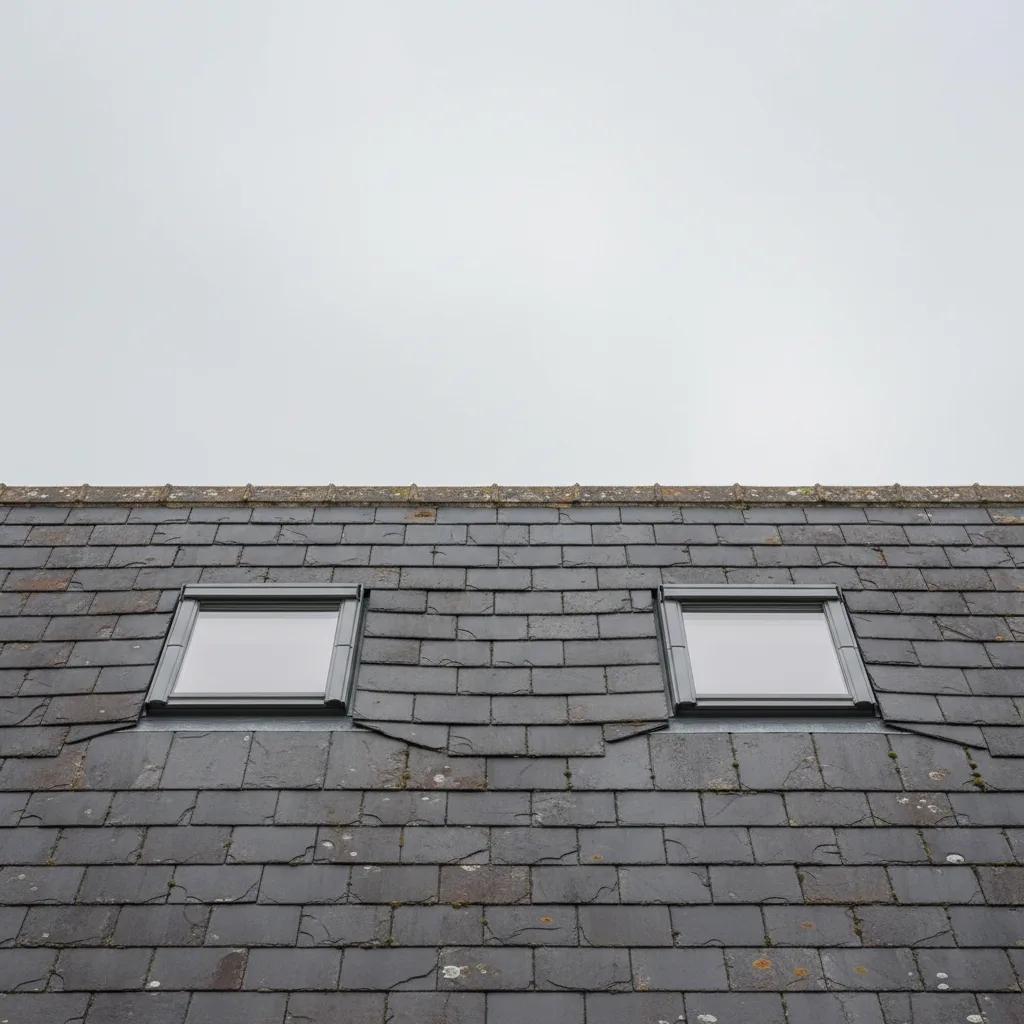
Plain clay tiles and slates lie flat, so a flat profile kit sits tight against them. The most forgiving coverings to detail into.
Plain tiles are small, so more of them need cutting around the opening, but the geometry is simple.
Profiled tiles
Concrete interlocking tiles and clay pantiles have a roll, so the surface is not flat. These need a deep profile kit, with sections shaped to bridge the roll of each tile.
Fit a flat kit to a profiled tile and there is a gap under every roll. It will not leak on the day. It leaks in the first driving rain from the wrong direction, and it is the most common defect we are called to correct.
Cutting tiles
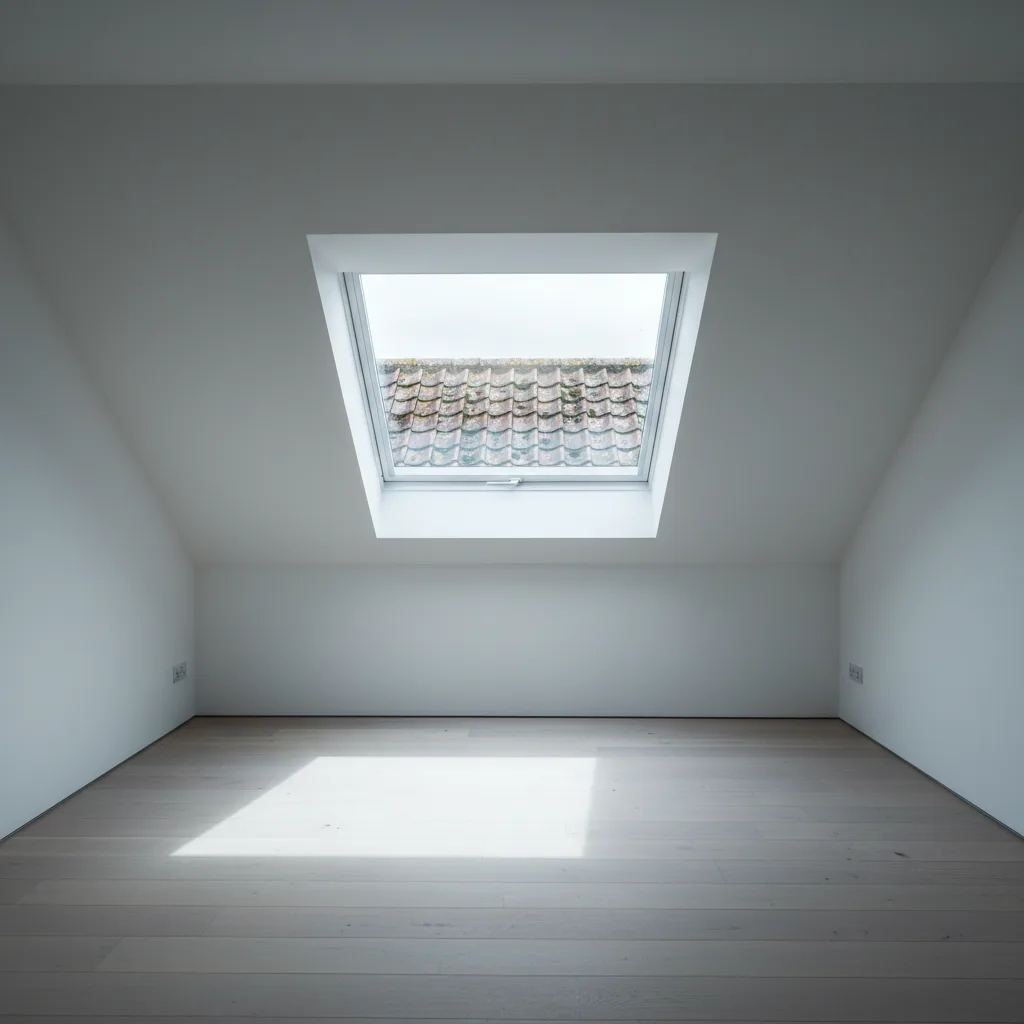
Tiles closing against the unit have to be cut, and a cut tile loses the interlock that makes it weathertight. The cut edges are supported and lapped so they do not rely on it.
Old clay tiles are brittle and breakages are normal. On a roof with obsolete tiles, sourcing matching reclaimed replacements is part of the job, and we check availability at survey rather than with the roof open.
Pitch
Most roof windows work from about 15 degrees. Low pitch kits extend to around 10. Below that a kerb mounted rooflight is the right product.
Locally

Colchester’s older stock is largely clay plain tile and pantile; the post-war estates are almost all concrete interlocking. Deep profile kits are the more common requirement here, and exactly what people economise on.
Yes, and the tile type decides the detail
Tiled roofs are the commonest thing we work on and every mainstream manufacturer makes flashing kits for them. What matters is which kind of tile, because the kit is matched to the profile and they are not interchangeable.
Concrete and clay interlocking tiles

The standard covering on most twentieth century housing. Each tile has a raised profile with a channel running down it, and they lock together side to side.
These need a deep profile flashing kit, formed to dress into and over the channels. A flat kit intended for slate leaves open voids under those channels where it crosses them, water gets under within a season, and because it enters below the flashing it appears inside as a leak that seems to come from nowhere.
This is the most common installation fault we find on other people’s work.
Practically, interlocking tiles are good to work with. They are robust, they lift cleanly, and a small allowance for breakages covers a roof of any age.
Plain clay tiles
Small, laid in double lap, and used on older property. They need their own flashing detail and they are considerably slower to work with.
Old plain tiles are brittle and a proportion will break on removal whatever care is taken. Matching weathered handmade tile is genuinely difficult, and the usual answer is to take sound tiles from a rear or hidden slope and place the replacements there so the visible elevation stays consistent.
Pantiles

The S shaped profile common in parts of East Anglia. They need their own deep flashing profile and they are unforgiving of a universal kit.
What is underneath
On any tiled roof, the underlay matters as much as the tiles. Water reaching the membrane has to be carried around the opening rather than into it, which is what the underlay collar does, dressed and lapped so the membrane above drains onto the collar and the collar drains onto the membrane below.
On an older roof that has never been stripped there may be no underlay at all. That is normal on a period property, it means the weathering is built around the opening rather than lapped into a membrane, and it should be priced rather than discovered on the day.
Minimum pitch on a tiled roof

Every roof window has a minimum pitch stated by the manufacturer, commonly around 15 degrees. Almost all tiled roofs are comfortably above it.
The shallower the pitch, the less water sheds naturally and the more the flashing detail has to work, so installation quality matters more on a 27 degree modern roof than on a 45 degree Victorian one where gravity does half the job.
What to ask
Which flashing kit, by name and part number, for your specific tile. It is the single most useful question you can put to anyone quoting for a rooflight on a tiled roof.
Yes, on any tiled roof, with the profile matched

Tile is the most common covering in the area and rooflights go into all of it. What changes between roofs is the flashing profile and how the tiles behave when cut.
Plain clay tiles. Small, flat, double lapped. A flat profile kit lies tight against them and the fine coursing means cuts fall in manageable places. One of the best coverings for a low profile unit.
Clay pantiles. Deep S profile, single lapped. Needs a deep profile kit dressed into the troughs and over the rolls. Cut tiles lose their interlock and need mechanical fixing.
Concrete interlocking tiles. Large format, profiled, single lapped. Deep profile kit again, and the roof beneath is frequently trussed rafters at 600mm centres.
The error that causes most tiled roof leaks
A flat profile kit used on a profiled covering. It cannot follow the tile form, so it bridges the rolls and leaves open channels in the troughs running straight under the flashing.
It looks acceptable from the ground and it lets driven rain in.
The sequence, whatever the tile

Underlay collar first, dressed and lapped so water on the membrane passes around the opening. Then the flashing. Then the tiles reinstated over the flashing rather than under it.
Matching, and allowing for breakages
Some tiles will break on a roof of age. Clay tiles that have weathered for a century are brittle and their nibs weaken.
Where an exact match cannot be found, take sound tiles from a hidden slope for use around the rooflight and put the new ones where nobody looks. Reclaimed clay is widely available here and worth sourcing before the day.
More on Conservation Rooflight Installation
Ready to bring the daylight in?
Tell us about your project and we’ll send a clear, fixed written quote, no pressure, no surprises.
- Fixed written price before any work starts
- No pressure, no obligation, no sales calls
- Flexible survey times that suit you
- A reply within one working day