Centre pivot against top hung roof windows
How the sash moves changes where you can stand, what the view is, and whether it can be an escape window.
Part of our Roof Window Installation guide
The two common opening actions, and the choice affects more than it first appears.
Centre pivot
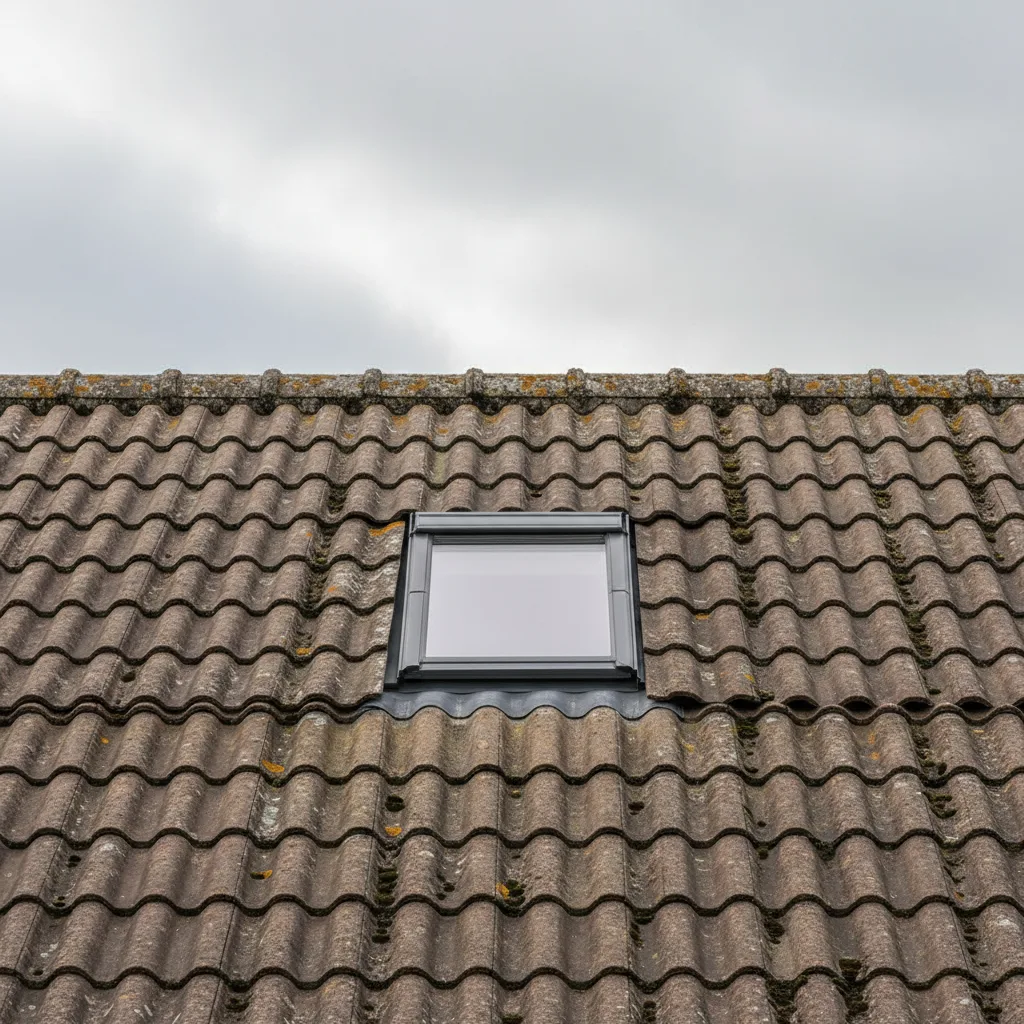
The sash rotates about a horizontal axis across its middle. The top half swings out, the bottom half swings in.
For it: it rotates fully for cleaning from inside, which on an upper floor is the deciding argument. The handle is at the top, so it works where the window is above reach. It is the cheaper and more common option.
Against it: the lower half swings into the room, so nothing can be directly beneath it. Standing at the window with it open is awkward, because the sash is in the way at chest height.
Top hung
The sash hinges at the top and the whole thing swings outward, like a casement.
For it: nothing comes into the room, so you can stand at it and lean out. The view is unobstructed. It can meet escape requirements, which centre pivot generally cannot.
Against it: the handle is at the bottom, so the window has to be within reach. Cleaning the outside means a separate rotating action on the better units, or access from outside on the simpler ones.
Which to choose

High in the roof, above reach: centre pivot.
Low enough to reach, with a view worth having: top hung.
A habitable loft room needing escape: top hung, and it must be specified as an escape unit from the start.
Furniture directly beneath: top hung, or move the furniture.
| Centre-pivot | Top-hung | |
|---|---|---|
| How it opens | Rotates about the middle of the frame | Swings out from the head, like a door |
| Clear view when open | Interrupted by the sash across the middle | Uninterrupted |
| Cleaning from inside | Rotates fully and locks, so the outer face comes inboard | Usually needs a separate cleaning position |
| Suits a low sill | Yes, the sash clears the head as it turns | Less so, the sash swings into the room above the opening |
| Furniture directly beneath | Awkward, the lower sash sweeps into the room | Better, nothing sweeps inward |
| Escape use | Not normally, the sash blocks the opening | Often the option that gives a clear escape opening |
Combination units
Some manufacturers offer a sash that top hangs for use and centre pivots for cleaning. It costs more and it resolves the trade-off properly, which on an upper floor window with a good view is usually money well spent.
One difference, and everything follows from it

A centre pivot window rotates about a horizontal axis roughly halfway up the sash: as the top swings inward, the bottom swings outward. A top hung window is hinged at the head and swings outward from the bottom, like a casement laid back into the roof.
That is the whole of the mechanical difference. Every practical consequence, and there are several that matter a great deal, comes from where the hinge sits.
What centre pivot gives you
Cleaning from inside. The sash rotates fully so the outer face turns inward, and most designs have a catch that holds it in that position while you work. On a high level window this is the most useful feature a roof window can have, and it is the main reason centre pivot remains popular.
Without it, cleaning the outside of a high roof window means a pole system, access from outside, or accepting that it happens rarely. That is a decision worth making before the unit goes in rather than after the scaffold has come down.
Easy operation at height. The handle is usually at the top of the sash, reachable with a pole from floor level, and the balanced pivot action means the window opens with very little effort even on a large unit.
Cost. Generally the cheaper mechanism, and the more widely stocked.
Behaviour in wind. A pivoted sash is more balanced about its axis than a top hung one, which on an exposed site is a modest advantage.
What top hung gives you

A clear opening. Nothing sits in the aperture when the window is open. That single fact drives the two most important consequences.
The view. Standing at the window you look straight out, unobstructed. In a loft room with a view worth having, that changes the character of the room.
Means of escape. The decisive one. In a habitable loft room, Building Regulations frequently require the roof window to serve as a means of escape, with a minimum clear openable area, minimum opening dimensions and a maximum height of the bottom of the opening above the finished floor.
A centre pivot sash sitting across the middle of the aperture reduces the clear openable area, frequently below the requirement, and a larger centre pivot window does not solve it because the sash scales with the frame. A top hung unit that swings clear gives the full opening.
Some manufacturers make a specific escape hinge allowing the sash to swing further clear than a standard top hung unit, and where the numbers are marginal that is worth asking about by name.
Ventilation. A clear aperture also means better free open area for Part F purge ventilation, which is calculated on the actual unobstructed opening rather than on the size of the window.
The drawback of top hung
The outer face cannot be turned inward. On a first floor rear slope you can frequently reach it by leaning out through the opening, which is fine if you can do it safely and without putting weight on the sash. Higher than that, you need a plan.
Self cleaning glass helps, because the coating breaks down organic deposits and rain sheets off carrying them away. On a pitched roof window that works properly, and it reduces the frequency rather than removing the job.
Dual action units

Several manufacturers make a window that opens top hung for use and pivots for cleaning, usually by releasing a catch that changes the hinge behaviour.
They cost more. On a high level window that also carries an escape duty they remove the trade off entirely, and that is frequently money well spent rather than an indulgence, because the alternative is choosing which of the two problems to live with.
How to choose in four questions
Does this window carry the means of escape duty? If yes, top hung or dual action, and that is settled before anything else. Check the specific model’s published clear opening figures against the requirement in writing rather than assuming any top hung unit will do.
How high is it? Above comfortable reach, cleaning becomes the dominant question and centre pivot or dual action wins.
Is there a view? A top hung unit gives an unobstructed one. If the window is high in the slope and shows only sky, this matters less.
What is the budget? Centre pivot is the cheaper mechanism. Where none of the above pushes you elsewhere, it is a perfectly good default.
The combinations that work

On a loft conversion with two windows, a common and sensible arrangement is one top hung unit carrying the escape duty and providing the view, and one centre pivot alongside it for daylight and easy cleaning.
Where two units are being coupled with a manufacturer’s kit, the same logic applies: one fixed or centre pivot for glazed area, one top hung for escape and ventilation. You get the light without paying for two mechanisms.
What neither of them changes
The weathering. The flashing kit profile matched to the covering, the underlay collar dressed and lapped so water passes around the opening, the covering reinstated over the flashing rather than under it, and the insulation collar closing the gap between frame and structure.
Those are identical whichever way the sash hinges, and they are what decides whether the installation is dry in twenty five years. The hinge decides how you live with it.
Retrofitting or changing your mind

You cannot convert one to the other. The hinge arrangement is integral to the frame and sash, so changing from centre pivot to top hung means a new window.
That is worth knowing at order stage, particularly on a loft conversion where the escape requirement is being assessed by Building Control after the units are already fitted. Getting the answer in writing before ordering costs nothing; getting it wrong means a second window and a second access arrangement.
The clear opening, which decides more than anything else
On a centre pivot window the sash rotates about an axis near its middle, so when it is open the lower half of the sash is inside the room and the upper half is outside. The unobstructed gap you could actually pass through is much smaller than the glass area.
On a top hung window the sash swings outward and upward from the head, leaving the whole opening clear.
That difference is why escape windows are top hung or purpose made escape models, and why a large centre pivot window can fail an escape requirement that a smaller top hung one passes.
Where you stand in the room

A centre pivot sash intrudes into the room when open, so nothing can sit directly beneath it: no desk, no bed head, no wardrobe. On a small loft room that constraint frequently decides the furniture layout.
A top hung sash takes nothing from the room, so you can stand at the opening and lean out, which is the point of a low set window looking at a garden.
Reach, and how pitch changes it
On a shallow roof, the head of a window is a long way up the slope. A centre pivot control bar comes down towards you as the sash rotates, which makes it the easier one to operate from the floor.
On a steep roof the opposite applies. A top hung window has its handle at the bottom of the sash, within reach, and it opens without swinging a large sash into the room.
Cleaning
The centre pivot advantage, and it is a real one. The sash rotates through most of a half turn and locks, bringing the outer face of the glass inside the room. On an inaccessible roof that is the difference between cleaning the window and never cleaning it.
Most top hung windows can also be rotated for cleaning by releasing a catch, though the action differs by model and it is worth reading the instructions once rather than forcing it.
Whichever you have, engage the locking catch before touching the glass. The bolt is there because a rotated sash that swings back with your hands and head through the opening is a serious injury.
The straightforward decision rule
Escape requirement, or a low set window where you want to lean out and see the garden: top hung.
High on a shallow slope where cleaning access is the priority and nothing sits beneath it: centre pivot.
Where both apply on the same roof, mixing them is perfectly acceptable and frequently correct, provided they are from the same range so the frames match.
Furniture and the room layout
A practical consequence that decides more choices than the specification does.
A centre pivot sash swings into the room when open, so nothing can sit directly beneath it. No desk, no bed head, no wardrobe, no shelving. In a small loft room that constraint frequently determines the entire furniture layout, and it is worth drawing before the window is chosen.
A top hung sash takes nothing from the room. A desk can sit under it and you can lean out over it, which is exactly what people want from a low set window facing a garden.
Combining both on one roof
Entirely reasonable and frequently the right answer.
A top hung unit low on the slope for the view and for escape, and a centre pivot unit higher up for light and for cleaning access, is a common and effective pairing in a loft room.
Buy them from the same range so the frames match, because from inside the room the difference between manufacturers is noticed daily even where it is invisible from the ground.
The maintenance difference
A centre pivot sash rotates fully and locks, bringing the outer face of the glass inside. On an otherwise inaccessible roof that is the feature that makes the window maintainable for twenty five years.
Most top hung windows also rotate for cleaning by releasing a catch, though the action differs by model and it is worth reading the instructions once rather than forcing it.
More on Roof Window Installation
Ready to bring the daylight in?
Tell us about your project and we’ll send a clear, fixed written quote, no pressure, no surprises.
- Fixed written price before any work starts
- No pressure, no obligation, no sales calls
- Flexible survey times that suit you
- A reply within one working day