Rooflight and skylight installation in Bocking
Braintree's northern half, with a historic church end and Victorian weaving stock.

Rooflights we install in Bocking
Every job is surveyed first. The right unit depends on the roof you have, not on what we would rather sell.
 Roof Lantern Installation
Read more
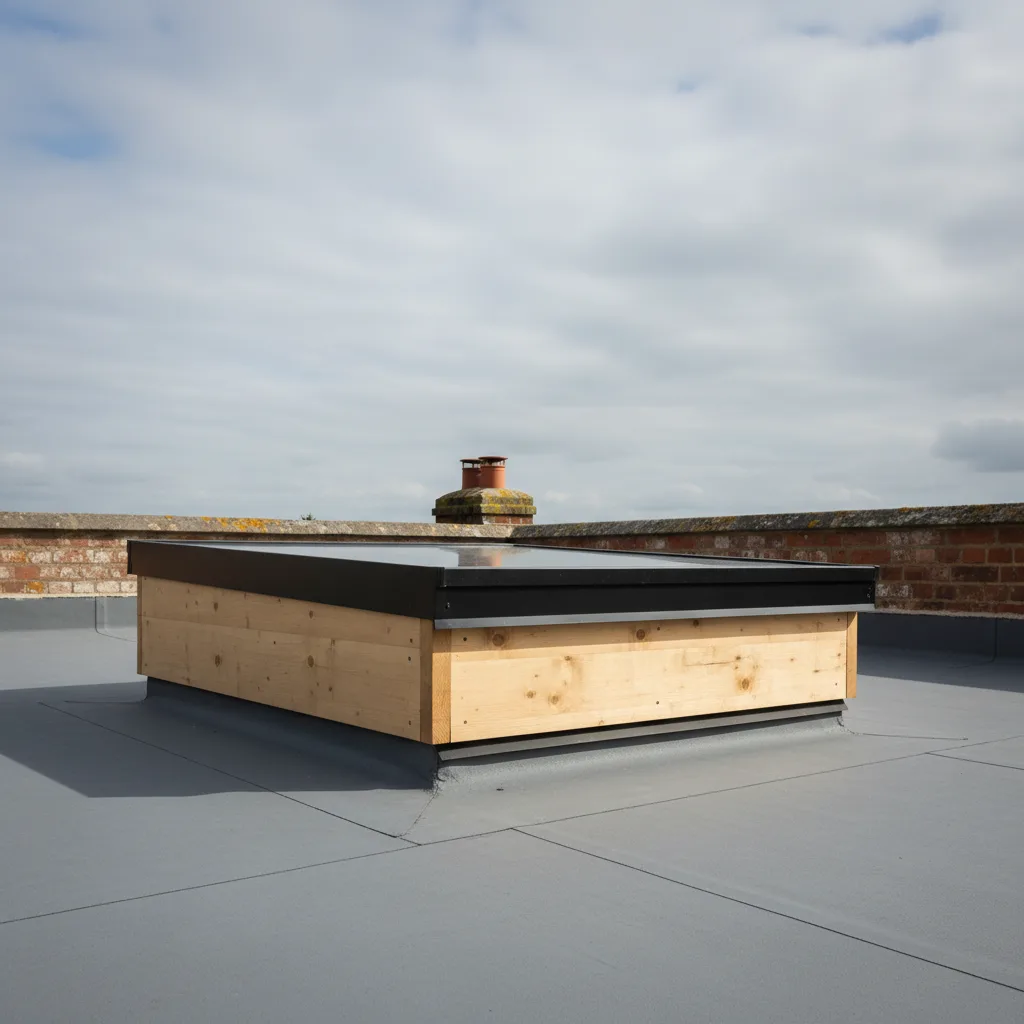
 Flat Roof Rooflight Installation
Read more
 Roof Window Installation
Read more
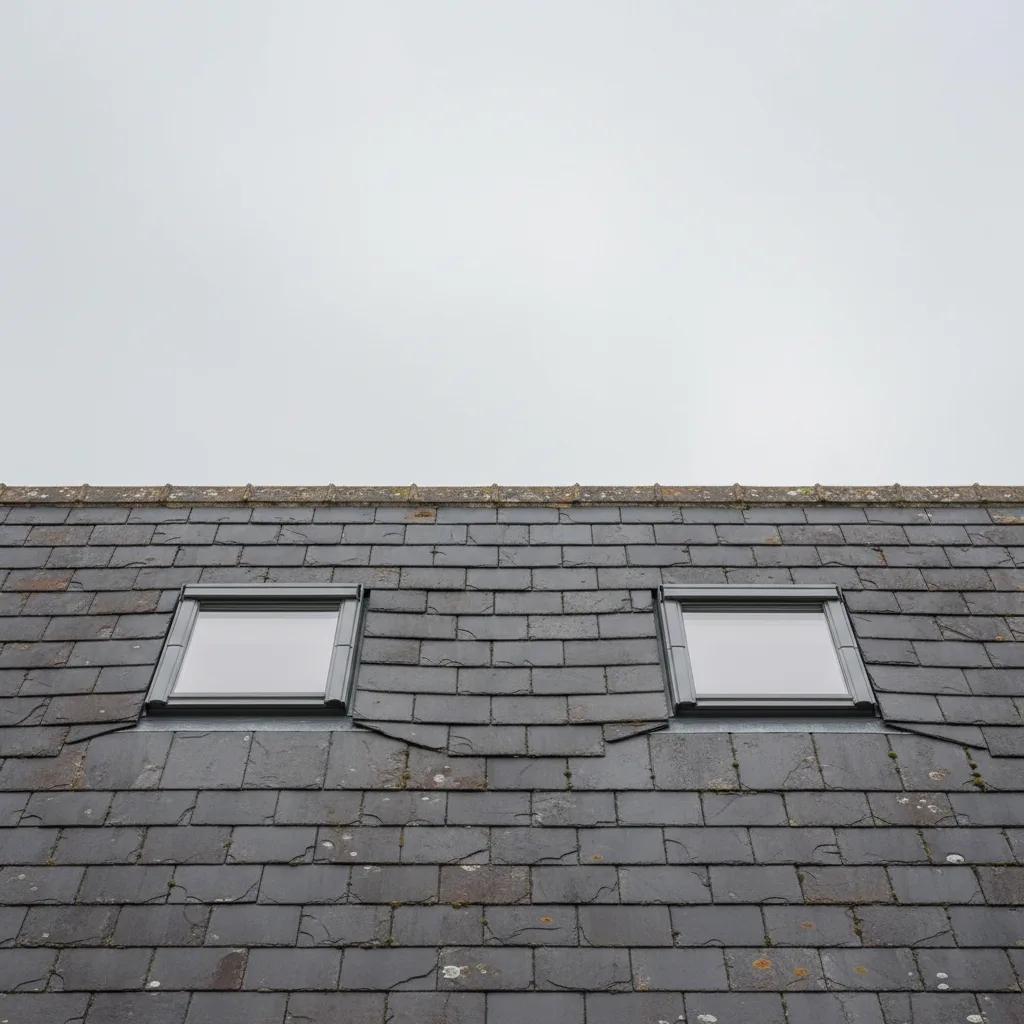
 VELUX Window Installation
Read more
 Electric and Opening Rooflights
Read more
 Energy Efficient Rooflights
Read more
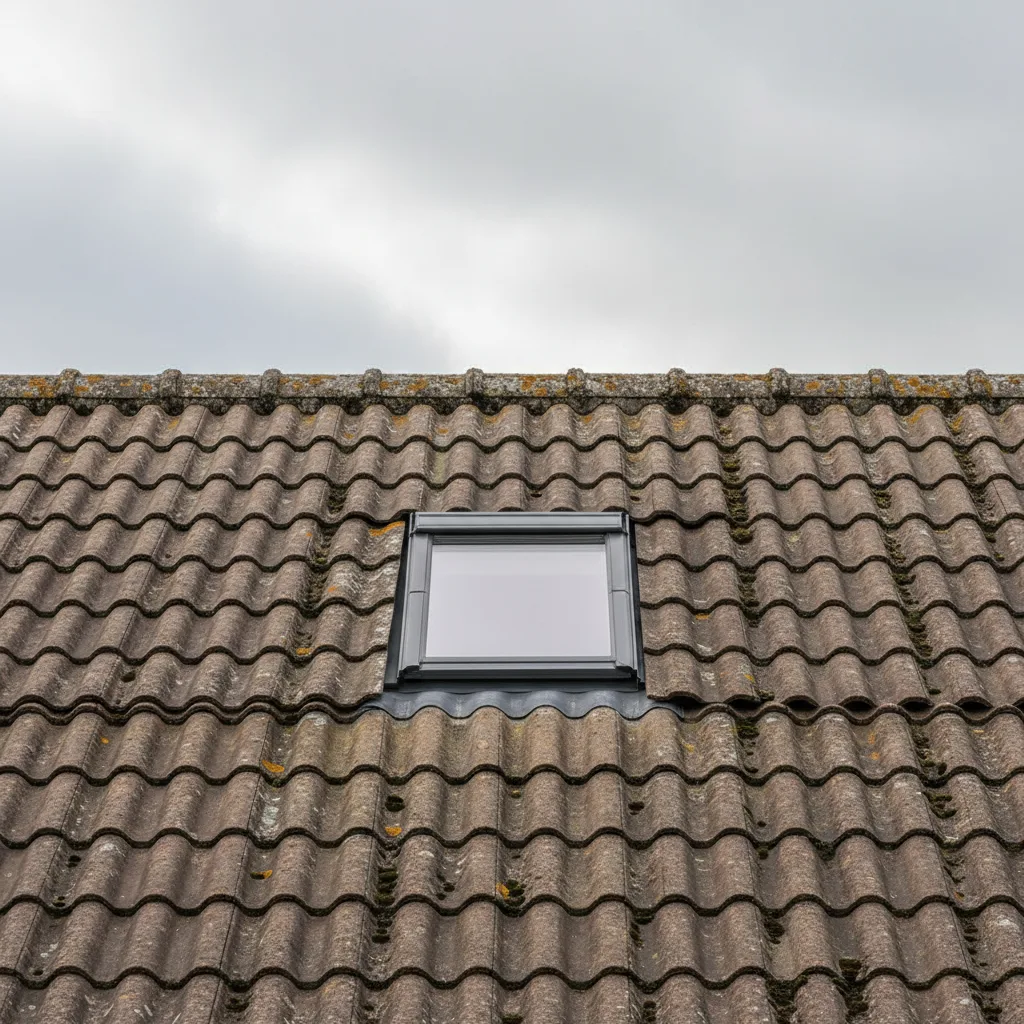 Replacing a Failed or Misted Rooflight
Read more
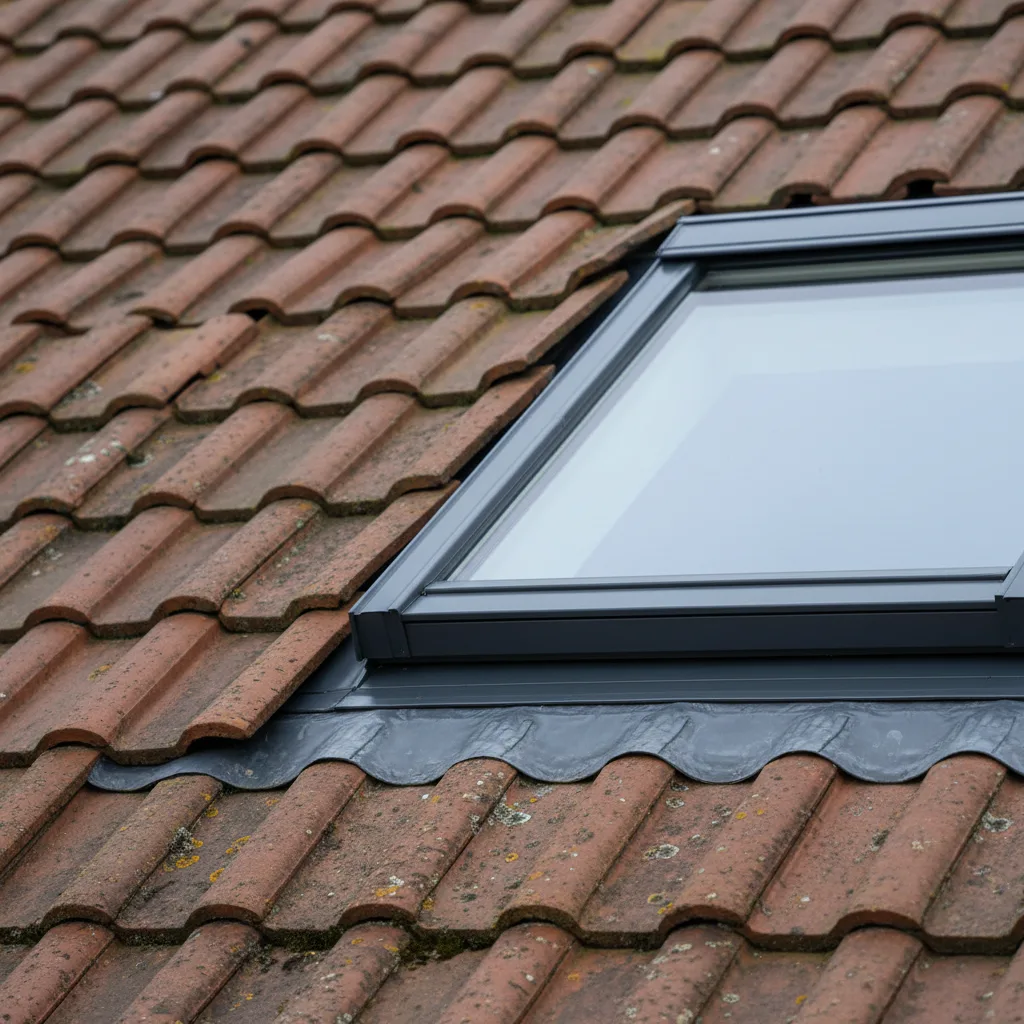 Walk-On Rooflight Installation
Read more
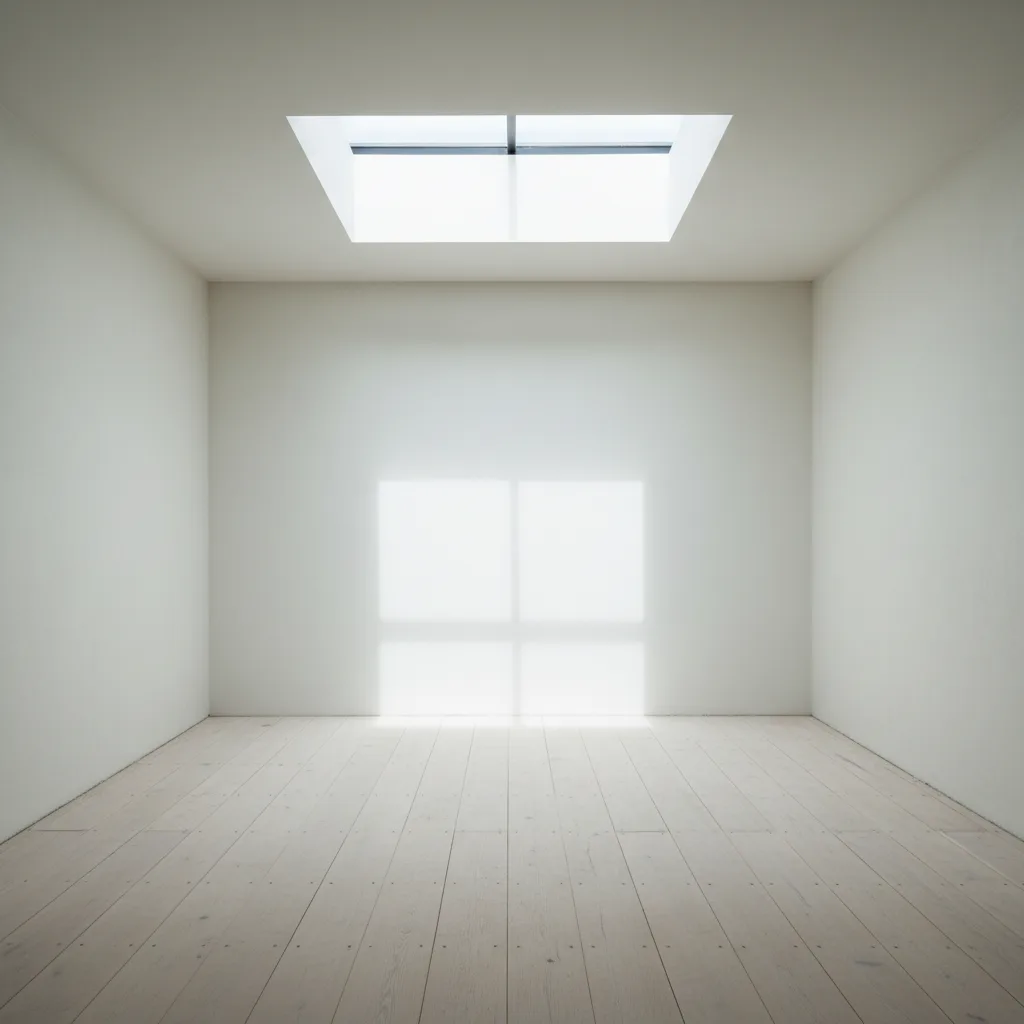 Conservation Rooflight Installation
Read more
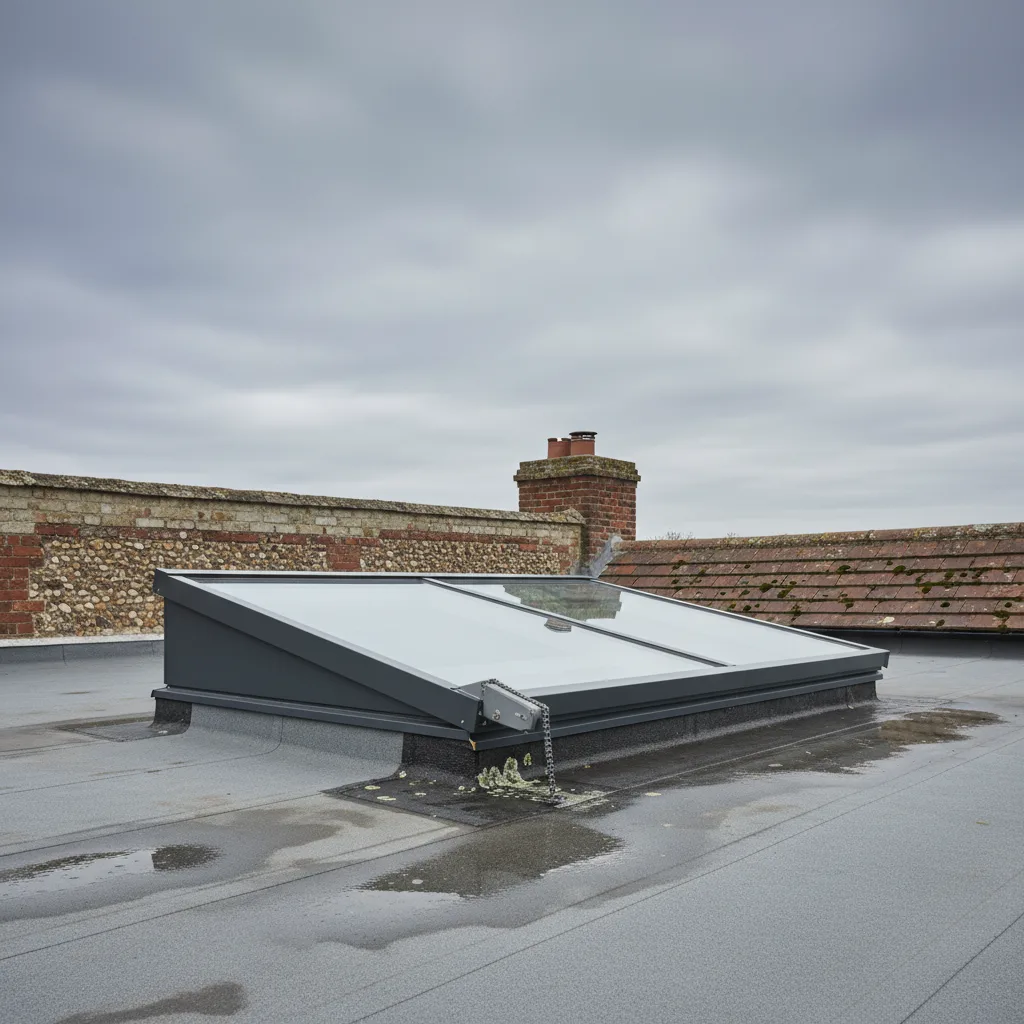 Sun Tunnel Installation
Read more
Bocking adjoins Braintree to the north and has its own distinct character: a historic church end, Victorian weaving-era housing, and later development merging into the town.
Victorian terraces and cottages

Slate and plain tile on steeply pitched roofs, often in terraces. Terraced roofs carry the usual constraints: close valleys, party walls, and less usable roof than the plan suggests. A roof window needs clear distance from both a valley and a party wall.
The steep pitches are an advantage though, because they make loft rooms genuinely usable and give any rooflight a good fall.
The church end

Conservation coverage and period stock around the church and the mill, where flush conservation units are the answer.
Later housing

Ordinary modern stock with trussed roofs and rear extensions, taking flat roof rooflights.
| Local factor | In Bocking |
|---|---|
| Planning authority | Braintree District Council |
| Conservation position | Conservation area over Bocking End and Church Street |
| Typical roof covering | Clay plain tile |
| Roof structure | Timber frames under cut roofs |
| Exposure | Inland, standard coatings |
| Most common job here | Conservation rooflights |
Skylight and rooflight work we cover in Bocking

Roof lanterns, flat roof rooflights, roof windows, VELUX replacements, conservation units and sun tunnels, all surveyed before they are quoted. We also work in Braintree, Gosfield and Halstead.
Weavers’ cottages and a long history of cloth

Bocking runs north from Braintree and, although the two have grown together, Bocking has its own conservation area around Bocking End, Church Street and the Causeway, with a good number of listed buildings and a distinctive stock of former weavers’ cottages.
Those cottages are worth understanding, because they were built for a purpose that shows in the roof.
What a weaver’s cottage does differently
Cloth working needed light, and it needed it upstairs where the loom was. The result is a building type with unusually generous upper floor glazing, long windows, and a top storey that was a workspace rather than a bedroom.
Two consequences for us. The upper floors frequently have better head height and more usable volume than a cottage of that age would normally offer, which makes them good candidates for daylight work. And the historic glazing pattern is often part of what makes the building significant, so a rooflight is assessed against a facade that already has a strong rhythm.
Where a property is listed, adding a rooflight to a slope above historically significant fenestration is a design question rather than a formality, and it is worth putting to the conservation officer with a drawing rather than a description.
Consent
Listed building consent is required for a rooflight on a listed building, always, on any slope, whether or not it can be seen. The listing covers the whole building inside and out, there is no small works threshold, and doing the work without consent is a criminal offence rather than a planning irregularity.
For an unlisted house in the conservation area, permitted development for rooflights survives unless an Article 4 direction removes it, which is a short enquiry to the council.
Where consent is needed, a conservation rooflight is what gets approved: low profile so it sits close to the plane of the covering, upright rather than wide in proportion, with a central glazing bar, in matt black. Include the manufacturer’s section drawing, because how far the unit stands above the covering is the question that decides it.
The roofs
Steep pitches, cut roofs with rafters and purlins, and coverings of clay plain tile and slate on the older property.
Old clay plain tile is demanding: small, double lapped, and brittle when old, with a proportion breaking on removal whatever care is taken. Matching weathered tile is difficult and the usual answer is to take sound tiles from a rear or hidden slope so the visible elevation stays consistent.
Slate is the easiest covering in this trade to work with, because the flashing arrangement is a straightforward soaker and apron and individual slates lift and replace without damaging their neighbours.
Expect no underlay on a roof that has never been stripped. The weathering is then built around the opening rather than lapped into a membrane, which is normal on a building of this age and belongs in the quotation.
Sun tunnels in the narrow plans
The terraced and cottage stock here frequently has an internal bathroom, WC or hallway with no external wall and no available slope. There is no rooflight answer for a room like that, but there is a tunnel answer wherever there is a loft above.
A rigid mirrored tube brings genuine daylight into a room that has never had any, for a fraction of the cost of anything else, and the roof component is small and low enough to be effectively invisible from the street, which matters in a conservation area.
Specify rigid rather than flexible, because a flexible foil tube scatters light at every fold and delivers roughly a third of what a rigid tube of the same diameter gives. Size by diameter, since output goes with area, so 350mm passes about twice the light of 250mm. And insulate the tube where it crosses the cold loft, or condensation forms inside it and arrives at the diffuser looking exactly like a leak.
The later housing
Ordinary work and much easier. Concrete interlocking tiles, pitches around 30 to 35 degrees, cut roofs on the earlier properties and trussed rafters on the later ones, off street parking and space to stand a tower.
Establish cut or trussed from a loft photograph, because it decides more about the price than the choice of unit does. Profiled tiles need a deep flashing kit rather than the flat kit used on slate.
Access
Tighter in the conservation area, with frontages close to the road, limited parking and side access that is not guaranteed. Scaffold on the highway needs a licence and time to arrange. Straightforward on the later roads.
Tell us at the enquiry stage whether there is side access to the rear. On an older Bocking property that single fact changes the shape of the quotation more than the choice of unit does.
What a job costs and how to read the quotation
An indicative range by email from a photograph, free and without an appointment, then a fixed written itemised price after survey.
Four things move the number. Whether the opening already exists, because a like for like swap into a sound opening is the cheapest job in this trade. Access, which in the conservation area is the largest line and on the later roads barely registers. The covering, since old clay plain tile is slow and a proportion breaks while slate lifts cleanly and concrete tile quicker still. And what is found on strip out, which on nineteenth century property is a realistic possibility.
What should be itemised
The unit with manufacturer, model, size code and glazing specification. The flashing kit and which profile. The insulation collar as a named line, or on a flat roof the kerb detail including whether the outer face is insulated. Access and who provides it, including any highway licence. Making good, to what standard, and whether decoration is included. Disposal. Building Control where notifiable. And a stated contingency for decayed timber.
A quotation giving one number against roof window supplied and fitted is not comparable with anything. Where ours is higher than another, the itemisation will usually show you why.
Where cheap quotations save money
Three places, none visible when the job is finished. A universal flashing kit rather than the correct profile for the covering. No insulation collar. And making good that stops at the plasterboard rather than including the plastering and decoration.
On a conservation area property there is a fourth: a standard unit fitted where a conservation one was required, which is cheaper up front and becomes an enforcement problem later.
Two guarantees
The manufacturer warrants the product. We guarantee the installation for ten years. They are separate cover from separate parties, and most rooflight problems are installation problems rather than product failures, which is why the second matters more.
A manufacturer’s warranty also generally excludes anything installed outside its own instructions, which means a badly fitted window can void the product warranty as well as leaking. Where a unit does fail under a manufacturer’s warranty on a job we did, we handle that claim ourselves.
Condensation, and what it is not
A good share of the callouts we take in older housing turn out not to be leaks. Property that has been insulated and draught proofed without gaining a ventilation strategy holds moisture, and moisture condenses on the coldest surface in the room.
Condensation on the glass appears on cold mornings, is worst in deep winter, forms evenly across the inner face, and has nothing to do with whether it rained. Not a fault, and no work on the window will fix it.
A leak follows rain driven from a particular direction, arrives at one point rather than evenly, and leaves a mark that stays after the surface dries.
Misting between the panes that cannot be wiped off either face is a failed perimeter seal, which happens at fifteen to twenty five years. End of life rather than fault.
Water on the reveal rather than the glass usually is a fault, and the cause is almost always a missing insulation collar. It is a separate order line, it is the first thing dropped from a cheap quotation, and the symptom does not appear until months later.
Ventilation is the fix
An opening at the highest point of a room lets warm moist air leave and draws drier air in through anything open lower down. That clears a room in minutes where a wall window alone takes hours, and it only works if something at low level is open as well.
Where the unit is above easy reach, a motorised opener with a rain sensor is worth the premium, because a window that closes itself when it starts raining is a window that actually gets left open.
Timescales
A like for like replacement into a sound opening is a single day. A new opening in a tiled or slate roof with making good runs to three or four days. A sun tunnel is usually half a day.
In the conservation area, consent may be the long part rather than the fitting, running to months where a listing applies, with a made to measure conservation unit adding several weeks on top. Start the application first and order second.
Access adds its own step where scaffold has to stand on the highway, because a licence takes time to arrange and it appears as a named line on the quotation. On the later roads none of that applies and the programme is short: survey, order, fit.
What to send us
A photograph of the roof, one of the frontage showing the street, and the address so we can check the listing and Article 4 position ourselves.
On a former weaver’s cottage or a terrace, tell us whether there is side access to the rear, because that single fact changes the shape of the quotation more than the choice of unit does.
If the upper floor has the long historic windows characteristic of the cloth trade here, a photograph of the frontage is genuinely useful, because a rooflight above significant fenestration is assessed as a design question rather than a formality.
For a replacement, photograph the data plate on the sash rather than measuring.
Asked by people in Bocking
Is Bocking different from Braintree?
It has its own character: a historic church end, Victorian weaving-era housing, and later development. The church end carries designation where the later housing does not, so the two need different approaches.
What are the Victorian weaving-era roofs like?
Traditional cut roofs, frequently slate, sometimes with no underlay on a roof that has never been stripped. Slate is the easiest covering to work with; the absence of underlay simply means the detail is built around the opening rather than lapped into a membrane.
Can I get a rooflight in a terrace?
Yes, and access is the usual constraint rather than the roof. Where there is no side access, getting a scaffold in is a real undertaking and it belongs in the survey rather than the morning of the job.
Which council covers Bocking?
Braintree District Council covers Bocking along with Braintree itself.
More areas we cover
Ready to bring the daylight in?
Tell us about your project and we’ll send a clear, fixed written quote, no pressure, no surprises.
- Fixed written price before any work starts
- No pressure, no obligation, no sales calls
- Flexible survey times that suit you
- A reply within one working day