Rooflight and skylight installation in Walton-on-the-Naze
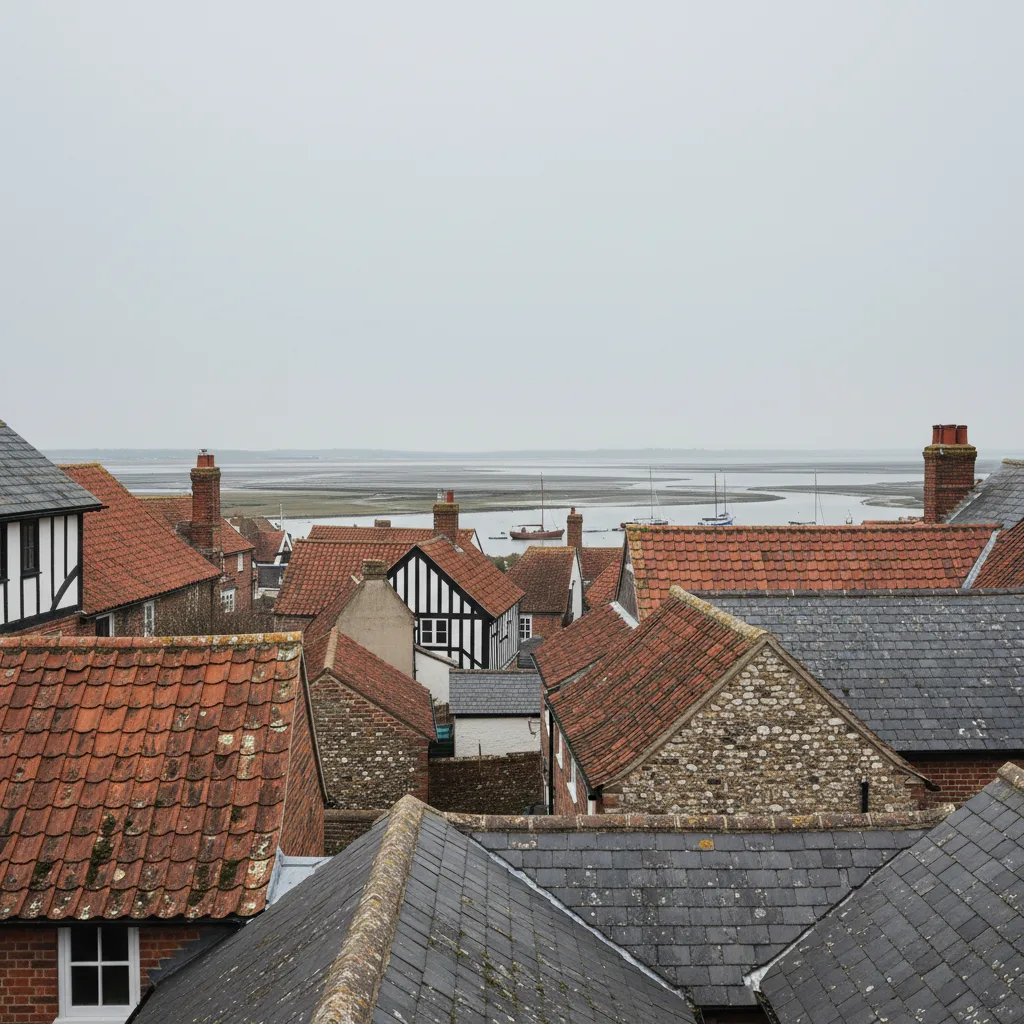
Victorian seaside stock and later housing, with the highest exposure on the Essex coast.
Rooflights we install in Walton-on-the-Naze
Every job is surveyed first. The right unit depends on the roof you have, not on what we would rather sell.
 Roof Lantern Installation
Read more
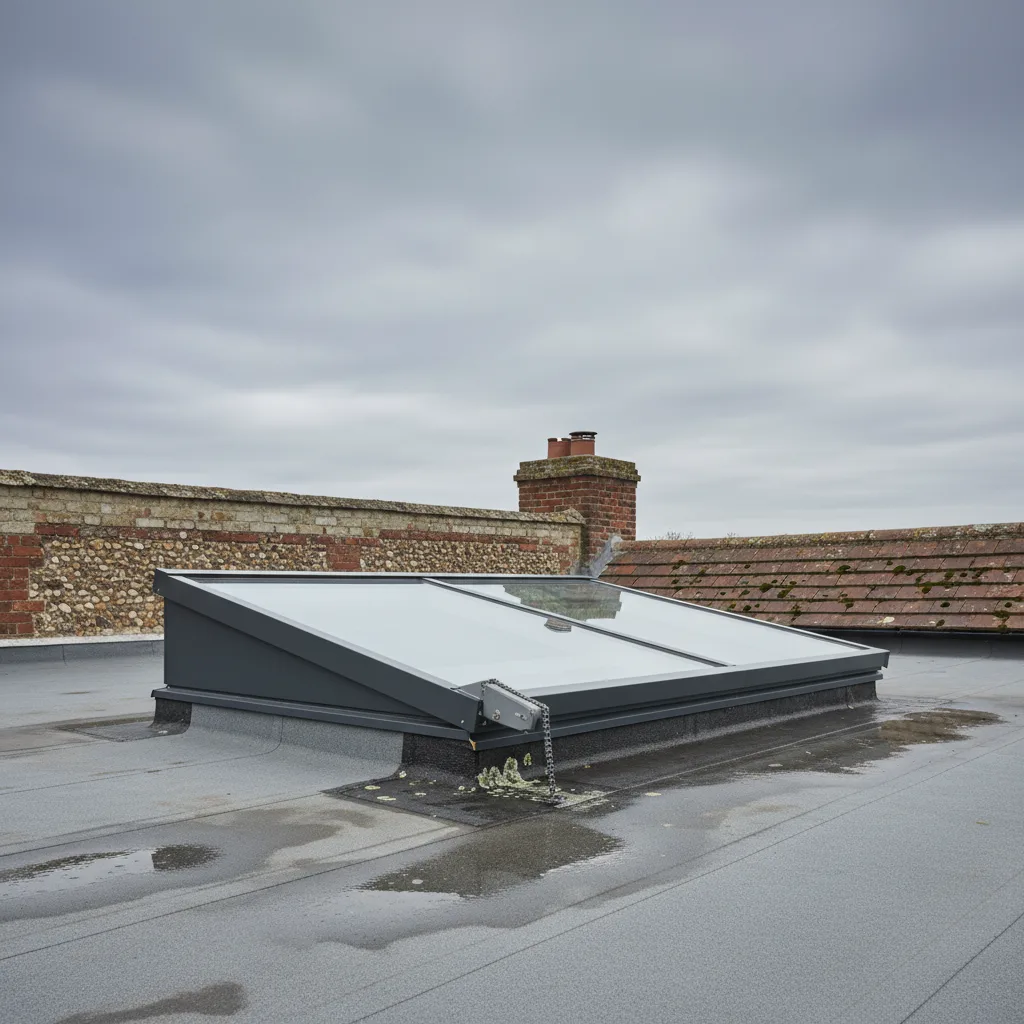
 Flat Roof Rooflight Installation
Read more
 Roof Window Installation
Read more
 VELUX Window Installation
Read more
 Electric and Opening Rooflights
Read more
 Energy Efficient Rooflights
Read more
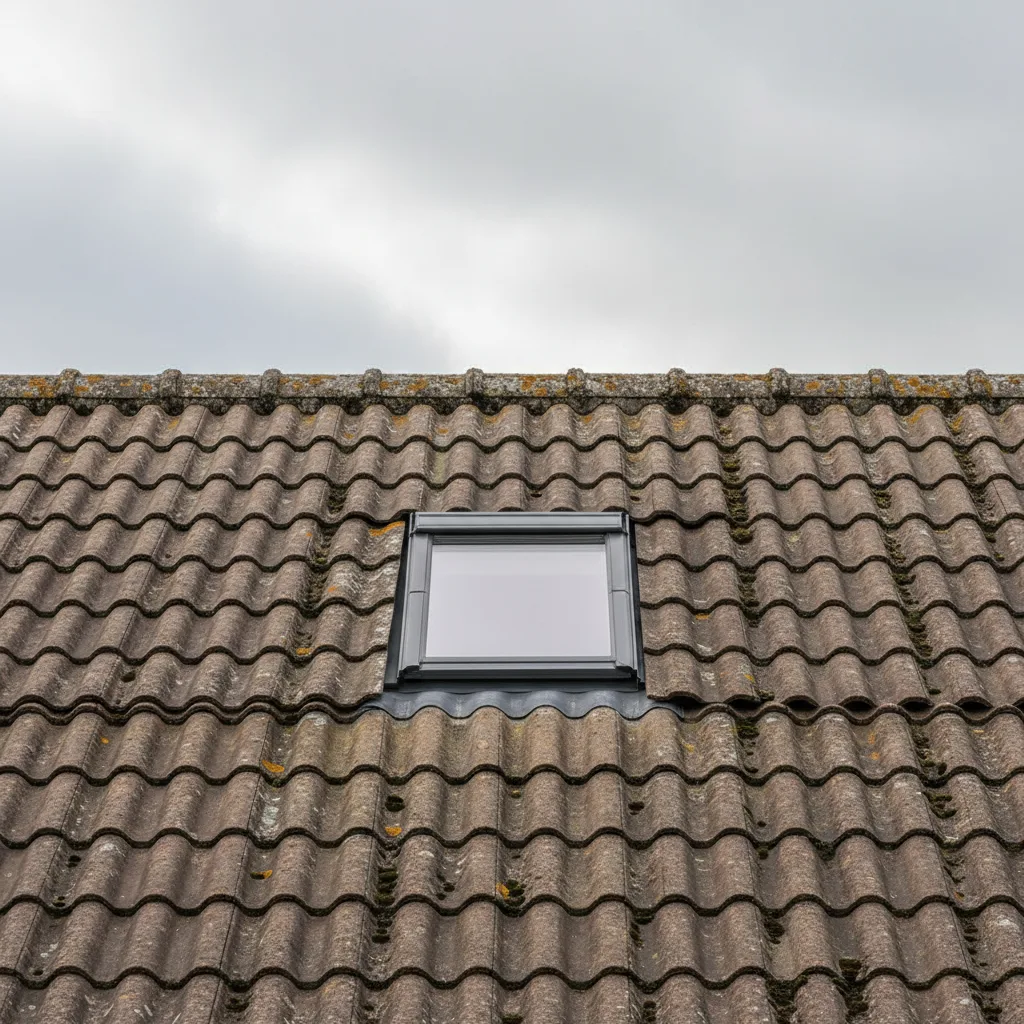 Replacing a Failed or Misted Rooflight
Read more
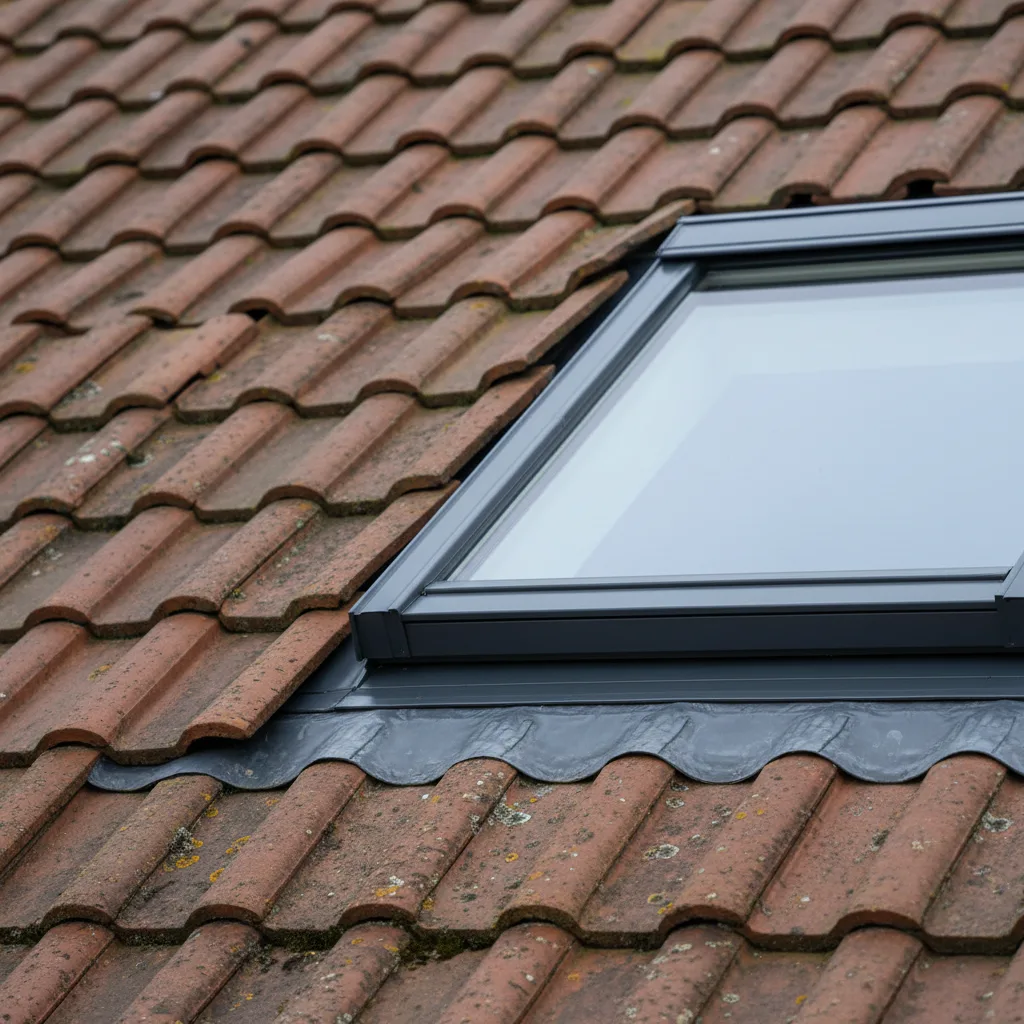 Walk-On Rooflight Installation
Read more
 Conservation Rooflight Installation
Read more
 Sun Tunnel Installation
Read more
Walton sits at the end of the peninsula, and in exposure terms it is the most demanding place we work. Victorian seaside terraces near the front, later housing behind, and weather arriving off the North Sea with nothing in the way.
Exposure decides the detail

Marine grade coatings and stainless fixings are not optional here. Beyond the materials, the detailing has to be right first time: wind driven rain finds any gap in a flashing kit, and it finds it in the first serious blow rather than after several years.
On flat roofs the priority is the termination of the covering up the kerb, because water arrives at the upstand with momentum rather than trickling towards it.
Terraces

The Victorian terraces near the front carry the usual terraced constraints: shared roofs, close valleys and party walls. A roof window needs clear distance from both, and there is often less usable roof than the plan suggests.
Replacement work

This is mostly a replacement market. Units on this coast age faster, seals fail sooner, and frames that were specified for an inland town do not last here. When we replace one we specify for the location rather than the catalogue, which is covered on the replacement page.
Skylight and rooflight work we cover in Walton-on-the-Naze

Roof lanterns, flat roof rooflights, roof windows, VELUX replacements, conservation units and sun tunnels, all surveyed before they are quoted. We also work in Frinton-on-Sea, Thorpe-le-Soken and Harwich.
Exposure at the end of the peninsula

Walton sits on a narrow spit with water on three sides, and it is among the most exposed positions we work in. Everything about specifying a rooflight here follows from that.
The housing is mixed: Victorian and Edwardian seaside property in the older streets, interwar and post war expansion behind it, a substantial number of bungalows and former holiday chalets, and modern development on the edges.
What exposure changes
Fixings. Stainless steel throughout rather than plated. Salt air corrodes plated fixings within a few years here, and once a fixing has gone the flashing it held is loose. The cost difference is trivial and it cannot be corrected later without opening the work up.
Finishes. Aluminium clad timber suits this position particularly well, because the cladding takes the weather and the timber stays dry behind it. Where a manufacturer offers a higher durability coating as a coastal option, it is worth taking, and it may be a condition of the warranty.
Weathering. Driving rain rather than rainfall is what matters, because wind driven water is pushed under a covering rather than running down it. The underlay collar and the flashing kit carry almost the entire burden, and both must be correct for the covering and generously lapped. This is the single most consequential thing on a Walton quotation and it is completely invisible once the job is finished.
Wind loading. Checked against the site rather than assumed from a catalogue, particularly on larger units and anything that opens. An open sash is a sail and the stay and actuator have to hold it in gusts inland properties never see.
Rain sensors. On a motorised unit, worth more here than almost anywhere. Weather arrives quickly off the water and a window left open in a squall is a wet room and a stressed mechanism.
Sealed unit life
Worth being straight about. A rooflight sealed unit lasts fifteen to twenty five years in an ordinary position. On an exposed coastal roof the perimeter seal takes more thermal cycling, more wind driven water and more salt, and units here tend toward the shorter end of that range.
That changes one decision. Where a frame is sound and under fifteen years old, replacing the glass alone can make sense. Where it is over twenty, replacing the whole window is usually better value, because most of the cost of this job is getting to the window rather than the component, and putting new glass into a worn frame in an exposed position buys you the shorter of the two lifespans.
Bungalows and chalets
Walton has a lot of both, and many began as light summer accommodation that has been progressively upgraded to permanent use.
Roof structures on those vary enormously and some are considerably lighter than a modern equivalent. A survey establishes what the roof can carry before anything is specified, and a heavy unit such as a lantern may need structural work that would be unnecessary on a conventionally built house.
The advantages are real though. Every room is under the roof, so daylight can go where it works best rather than where it fits, and internal bathrooms and hallways can have a sun tunnel. Access is easy, because single storey eaves are reachable from a tower, which removes the line that most often surprises people on a quotation.
The older streets
Victorian and Edwardian property with steeper pitches, cut roofs and slate or clay tile coverings. Good roofs to work on, with the usual caveat that a roof never stripped may have no underlay, in which case the weathering is built around the opening rather than lapped into a membrane.
A number of these have been divided into flats, and a flat has no permitted development rights at all. Any rooflight in one needs a planning application and, in practice, the freeholder’s consent.
Permissions and access
For most Walton houses the ordinary permitted development rules apply: no more than 150mm projection beyond the plane of the roof and not above the highest part of it. Individually listed buildings need consent regardless of slope or visibility.
Access is generally reasonable, with off street parking on the later roads and space to stand a tower. Tighter in the older streets near the seafront, where parking is limited and scaffold may need a highway licence.
We cover Walton from Colchester and plan it as full days rather than short visits. Access is a fixed cost shared across everything done in the same visit, so if there is more than one thing to do, say so at the enquiry stage.
| Local factor | In Walton-on-the-Naze |
|---|---|
| Planning authority | Tendring District Council |
| Conservation position | Conservation area over the old town |
| Typical roof covering | Slate and concrete interlocking tile |
| Roof structure | Mixed |
| Exposure | Fully exposed coastal. Marine grade coating, stainless fixings |
| Most common job here | Replacement led by weathering rather than by looks |
Ventilation, and living with the weather

A rooflight on this peninsula does two jobs, and the second one is the reason to fit an opening unit rather than a fixed one.
An opening at the highest point of a room lets warm moist air leave and draws drier air in through anything open lower down. That clears a room in minutes where a wall window alone takes hours, and in a seaside property that runs damp it is the most effective thing you can do about persistent condensation.
The catch is the weather. Wind and rain arrive quickly here and a window left open in a squall admits a great deal of water. That is why a rain sensor on a motorised unit earns its keep more here than almost anywhere: it closes the window when it starts raining, which means the window actually gets left open the rest of the time.
Manual, mains or solar
Manual with a pole is cheapest and fine up to about two and a half metres. Above that it becomes a chore and the window stays shut all year, which defeats the purpose.
Mains electric gives a wall switch, a remote and a rain sensor. The premium on the unit is modest; the wiring is where the cost sits. Into a finished room it means lifting flooring, chasing a wall and redecorating.
Solar carries its own panel and battery and needs no connection at all, which makes it the usual answer for retrofit. It works better here than people expect, because the panel needs daylight rather than direct sun. It also keeps working in a power cut, which mains units do not.
Whichever it is, find out how the manual override works at handover and keep the crank somewhere memorable. A chain actuator holds its position mechanically in a power cut, so the scenario to plan for is open when the power goes and then it rains.
Condensation, and what is not a fault
Water forming evenly across the inner face of the glass on cold mornings, unrelated to rain, is condensation rather than a leak. It appears in winter and clears as the day warms, and no work on the window will fix it.
Water on the plastered reveal rather than the glass is different and usually is a fault, almost always a missing insulation collar. It is a separate order line, it is the first thing dropped from a cheap quotation, and the symptom appears months later.
Misting between the panes that cannot be wiped off either face is a failed perimeter seal, which is end of life rather than fault, and comes sooner on this coast than inland.
Getting a price, and what to send
A photograph of the roof, one of the frontage so we can see the access, and the address. For a replacement, the data plate on the sash. For an extension, one showing how the flat roof meets the house, because that shows us the kerb and the fall.
From those we give an indicative range by email, free and without an appointment, then a fixed written itemised price after survey.
What the quotation itemises
The unit with manufacturer, model, size and glazing specification, including coastal grade options. The flashing kit and which profile. The fixings, specified as stainless. The insulation collar as a named line, or on a flat roof the kerb detail including whether the outer face is insulated. Access. Making good and whether decoration is included. Disposal. Building Control where notifiable. And a stated contingency for decayed timber on older property.
A quotation with one number against roof window supplied and fitted is not comparable with anything, and on an exposed peninsula the things that are not written down are exactly the ones that decide whether the installation lasts.
Guarantee
Ten years on our workmanship, alongside the manufacturer’s warranty on the product. Most rooflight problems are installation problems, which is why the first matters more.
It does not cover storm damage, which is an insurance matter rather than a guarantee matter, though we will still come and make it safe. Where a unit fails under a manufacturer’s warranty on a job we did, we handle that claim ourselves.
Timescales
A like for like replacement into a sound opening is a single day. A new opening with making good is three to four days depending on the plastering. A sun tunnel is usually half a day.
What lengthens a programme is the order rather than the work. Stock sizes are quick; made to measure units and lanterns run to several weeks. On the lighter built chalets and bungalows, a structural check on what the roof can carry may come first, and that is days rather than weeks.
We plan Walton work as full days rather than short visits, and we do not start a strip out if the forecast will not allow the roof to be closed the same day. On this peninsula that occasionally costs us a day and it has never cost a customer a ceiling.
Asked by people in Walton-on-the-Naze
Why is Walton harder than other coastal towns?
Exposure. It sits at the end of the peninsula with weather on three sides, and in exposure terms it is the most demanding place we work. Everything is specified accordingly: coastal grade coatings, compatible fixings, and flashing detail that assumes driven rain rather than hoping for the best.
What happens with dissimilar metals near the sea?
They corrode faster. Dissimilar metals in a wet, salty joint set up galvanic corrosion, so fixings and brackets have to be compatible with the frame material rather than merely available. Mild steel screws into an aluminium unit here will streak and fail.
How often will I need to clean the glass?
More often than inland, and self-cleaning coatings help less than they do elsewhere because salt film is inorganic and the coating's photocatalytic action does not break it down. A steeper pitch that sheds water properly does more here than any coating.
Are the Victorian seaside roofs a problem?
They are tall and frequently slate, sometimes with no underlay at all, which is normal on a roof of that age rather than a defect. It means the detail is built around the opening rather than lapped into a membrane, which takes longer and should be priced at survey rather than discovered on the day.
More areas we cover
Ready to bring the daylight in?
Tell us about your project and we’ll send a clear, fixed written quote, no pressure, no surprises.
- Fixed written price before any work starts
- No pressure, no obligation, no sales calls
- Flexible survey times that suit you
- A reply within one working day