Are solar powered rooflights any good?
Yes, and they work here better than people expect. Slower than mains, and no wiring at all.
Part of our Electric and Opening Rooflights guide
Yes, genuinely. The scepticism is understandable and the physics is on their side.
How they work
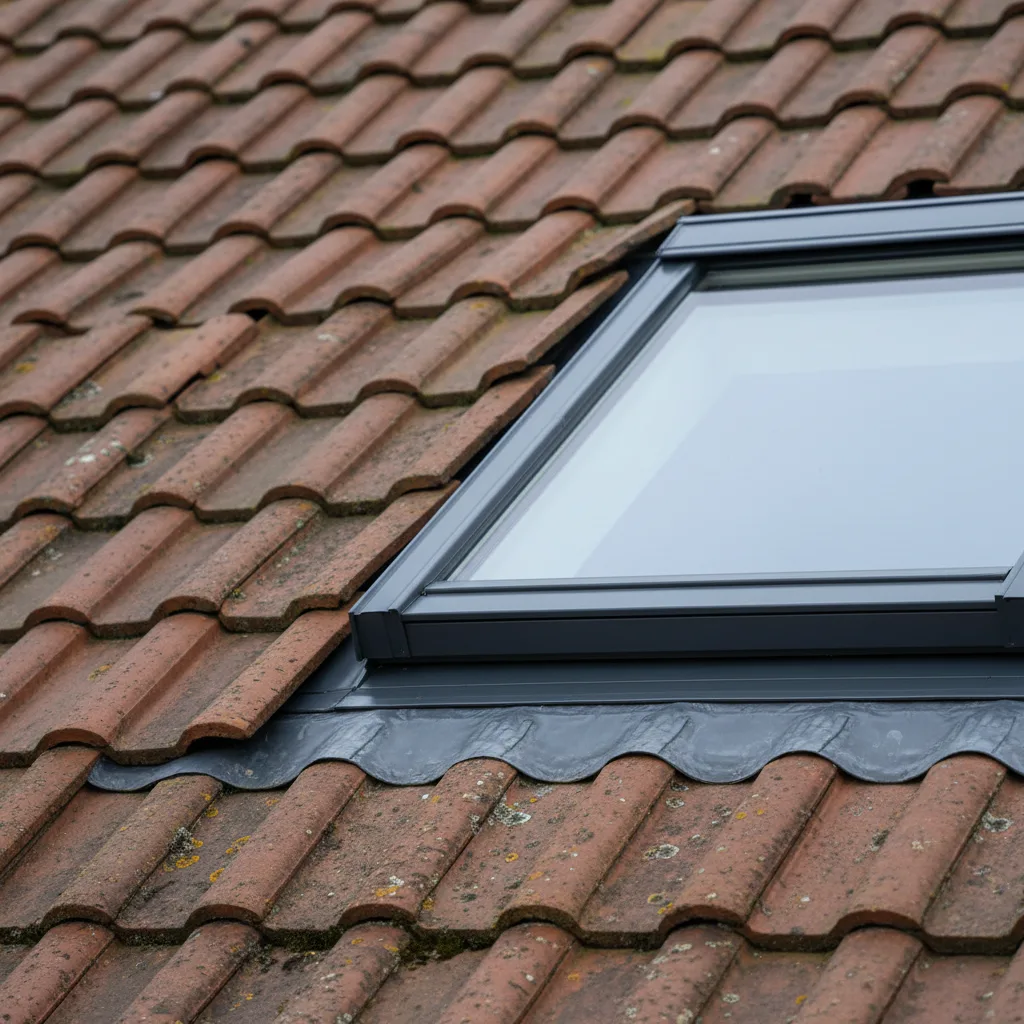
A small photovoltaic panel on the outside of the sash charges a battery in the frame, which drives the actuator. No mains connection anywhere.
Do they work in an Essex winter
Yes. The panel needs daylight rather than direct sun, and the energy to open a window a few times a day is small. The battery buffers days of poor light.
They work on north facing slopes, which surprises most people. The panel is gathering ambient daylight, not tracking the sun.
The trade-offs

Speed. Thirty to sixty seconds against fifteen to thirty for mains. Not a problem in use.
Unit cost. More than manual, and more than a mains unit before wiring is considered.
Battery. Several years, and replaceable. Budget for it in a decade.
Heavy shade. Under a dense mature canopy output drops. Worth mentioning at survey.
Where they win

Retrofitting into a finished room. Running a cable means lifting boards and making good, and solar removes that entirely. Fitting is a couple of hours with no disruption below.
They are also unaffected by a mains power cut, which mains units are.
Where mains wins

New build and extensions, where the cable is trivial at first fix. Faster, cheaper as a unit, no battery.
The rule

Cable easy, choose mains. Room already finished, choose solar.
Yes, and better than people expect

A solar powered opener carries its own photovoltaic panel and a rechargeable battery, and needs no mains connection at all. Fitting is a couple of hours with no disruption to the room below.
That single fact is why they exist and why they are frequently the right answer. Running mains cable to a rooflight in a finished room means lifting flooring above or ceiling below, chasing a wall for a switch drop, making good and redecorating: a day and a half plus decoration. A solar unit avoids all of it.
The doubts people have, answered

Does it work in an English winter? Yes. The panel needs daylight rather than direct sun, and the energy required to open a window a few times a day is small. It works on a north facing slope and it works through overcast weeks. The battery buffers the difference between a bright week and a dull one.
Is it slower? Slightly. Thirty to sixty seconds to open against fifteen to thirty for a mains unit. In use nobody notices.
Does the battery die? Eventually. Expect several years, and it is a replaceable part rather than a reason to change the window.
Does it have a rain sensor? Yes, the same as a mains unit. The window closes itself when it starts raining, which is the feature that actually makes a high level rooflight get used.
What happens in a power cut? Nothing. It keeps working, which mains units do not. On a rural property with an unreliable supply that is a genuine advantage.
Where solar is clearly right
Retrofitting into a finished room, which is the majority of cases. Period and listed property, where running cable through historic fabric is disruptive and sometimes itself restricted. Any position where the cable route would be genuinely expensive.
Where mains is better
During a build or a loft conversion at first fix, when a cable to the rooflight position is twenty minutes clipped to a joist before the plasterboard goes on. At that point mains is cheap, faster in operation, and it allows a wall switch.
The wall switch is the thing people underrate. A handheld remote is convenient and permanently in another room. A wall switch is always in the same place, anyone can use it without being shown, and it works when a battery is flat. It needs a cable, which is why it has to be decided at first fix.
The single most common regret in this trade is fitting manual during a build to save the premium and wanting a motor two years later. Run a capped cable to the position even if you fit manual, and photograph where it is before the ceiling closes.
What to check before ordering
Whether the panel position on the specific model suits your slope, whether a rain sensor is included or an option, whether a wall switch can be added later, and how the manual override works.
Those four questions take a minute at quotation stage and they cover everything people later wish they had asked.
Ask us
Tell us which slope the unit is going into and how the room is used, and we will tell you honestly whether solar or mains is the better answer for that particular position.
The battery
Expect several years, and it is a replaceable part rather than a reason to change the window. When it reaches the end of its life the unit does not fail suddenly: it becomes slower to respond and less able to cope with a run of dull days, which is a clear enough signal.
One last point
They keep working in a mains power cut, which mains units do not. On a rural property with an unreliable supply that is a quiet advantage worth having.
Where they are the right answer
Retrofits. A solar unit needs no cable, and in a finished room getting a supply to a rooflight means surface trunking or opening up a ceiling and reveal. That single fact makes solar the sensible route on most existing installations.
Also on listed buildings, where routing a cable through historic fabric may itself need consent.
And on a unit that gets used occasionally rather than several times a day.
How well they actually work
Better than people expect. The panel charges from daylight rather than direct sun, and the battery only has to supply short bursts, so a British winter does not defeat it.
Operation is slower than mains, which nobody minds after a week.
The limitation
The battery has a service life of a few years and is a replaceable item. That is the ongoing cost, and it is modest.
The panel is on the outside of the unit and it needs to be reasonably clean and not permanently shaded by a chimney or a tree.
The case for a wired unit instead
New work where the roof is open anyway and the cable costs almost nothing, particularly with several units to be grouped on one control.
More on Electric and Opening Rooflights
Ready to bring the daylight in?
Tell us about your project and we’ll send a clear, fixed written quote, no pressure, no surprises.
- Fixed written price before any work starts
- No pressure, no obligation, no sales calls
- Flexible survey times that suit you
- A reply within one working day