Will a rooflight make my room too hot?
With clear glass facing south, yes. With solar control and a vent, no.
Part of our Energy Efficient Rooflights guide
It depends almost entirely on two things: which way the roof faces and what glass you specify.
Where the risk is

South facing: highest. Sun on it through the middle of the day when it is strongest.
West facing: often worse in practice. Late afternoon sun is low, and it arrives when the building has already been warming all day.
East facing: morning gain. Rarely a comfort problem except in a bedroom.
North facing: no direct sun at all. Even, cool, glare free light and no overheating risk.
Why overhead is worse than a window

In summer the sun is high and shines almost straight down. A rooflight receives it nearly square on where a wall window catches it obliquely. Overhead glass gets more solar energy than any other glass in the building.
The three things that fix it

Solar control glass. Stops the energy at the outer pane. Not optional on south or west.
An opening vent. Lets accumulated warm air leave at the highest point of the room, drawing cooler air in behind it. Very effective, and it works on a still day when an open window does nothing.
External shading on a very large area. The only thing that beats solar control glass.
What does not fix it

Internal blinds. The energy is already inside; the blind absorbs it and re-radiates it as heat. Blinds are for glare, privacy and blackout.
The decision to get right

Solar control is specified at order and cannot be added later without new glass. It is the specification most often dropped to save money and by a wide margin the one most often regretted.
It can, and it is entirely preventable

Overheating is the single most common regret we hear about rooflights, and it comes from one decision made at order stage: fitting a large unit on a south or west facing slope with ordinary glass.
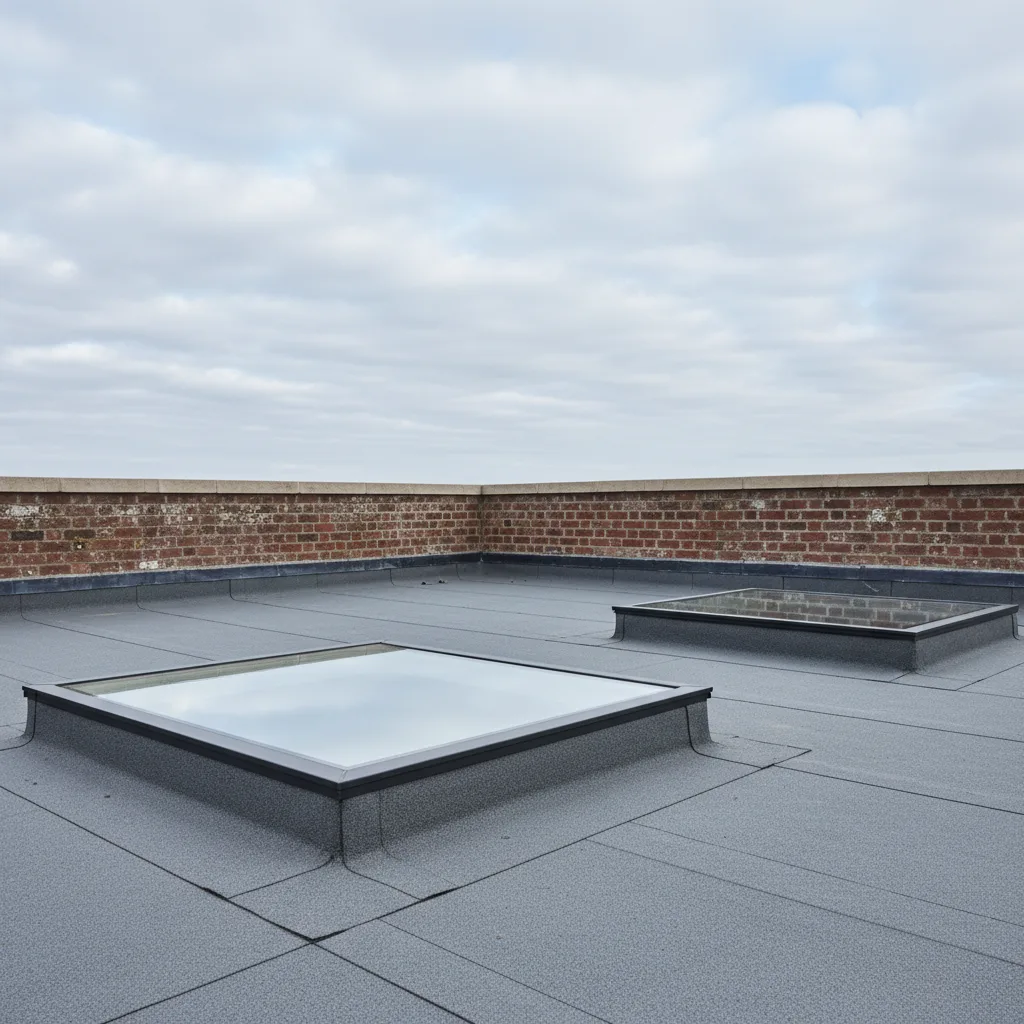
A rooflight faces the sky, so it collects the sun more directly than a wall window does, particularly through the middle of the day when it is strongest. A near horizontal flat roof rooflight or lantern collects more still, because it has no orientation to shelter behind.
The measures that work

Solar control glass. A coating that reflects a large proportion of the infrared energy carrying heat while transmitting most of the visible light. It works permanently, needs no maintenance and cannot break, and it costs a modest premium at the point of order against a great deal to change afterwards, because the labour and access are identical either way.
Specify it on south and west. Do not specify it on north, where there is no direct sun at all and it would only make a good room slightly darker.
An opening at the highest point. Glass specification reduces how much heat arrives; it does nothing about heat already in the room. Warm air rises, so an opening at the top lets it leave and draws cooler air in through anything open lower down.
The useful version is night purge: open it late, let the accumulated heat out overnight, close it in the morning. On a rain sensing motorised unit that happens without anybody thinking about it.
Sensible glazed area. Around 15 to 20 percent of floor area gives a bright room without turning it into a greenhouse. The common mistake is going straight to the largest unit that fits.
The measures that do not
Internal blinds, mostly. By the time the blind stops the sun, the energy has already entered the room. They control glare and privacy well and they do relatively little about heat.
External awnings do work, because they intercept the sun outside the glass, and they are the retrofit answer where the glazing is already in.
Which orientation is worst
West, frequently, rather than south. Late afternoon sun is low, so it strikes at a shallower angle and arrives when the building has already been warming all day. Low angle sun is also where internal blinds struggle most.
The honest summary
Get the glass right for the orientation, keep the area sensible, and give the heat a way out at high level. Do those three and a rooflight will not overheat a room.
Skip them on a south facing extension and you will have a room nobody uses in July, and fixing it afterwards costs nearly as much as the original installation.
It depends almost entirely on orientation
A horizontal rooflight or lantern faces straight up and takes the full summer sun through the middle of the day. That is the highest risk case.
A south or west facing pitched roof window is next, receiving strong afternoon sun at a favourable angle.
A north facing slope receives no direct sun at all and gives a steady even light. Overheating is essentially not a concern there, and solar control glazing would be spending money to make the room darker for no benefit.
So the honest answer starts with which way the slope faces, and any advice given without that question is guesswork.
The three controls, in order of effectiveness
External shading. An awning blind on the outside stops solar energy before it reaches the glass. Nothing internal comes close, because heat that has entered the room has already entered.
Solar control glazing. The g value is the number to ask for. A good coating is selective, cutting heat considerably more than it cuts light.
Ventilation at high level. Hot air collects at the top of a room. An opening rooflight vents it there, and combined with an opening at low level elsewhere it produces real stack ventilation.
Size, which people get backwards
More glass does not deliver proportionally more perceived brightness, because the eye adapts quickly. It does deliver proportionally more solar gain.
A smaller rooflight with better glass frequently produces a room that is both bright and comfortable, where a larger one in clear glass produces a room that is bright and, for several hours a day, avoided.
More on Energy Efficient Rooflights
Ready to bring the daylight in?
Tell us about your project and we’ll send a clear, fixed written quote, no pressure, no surprises.
- Fixed written price before any work starts
- No pressure, no obligation, no sales calls
- Flexible survey times that suit you
- A reply within one working day