Replacing an old dome with flush glazing
One of the most visible improvements available for the money, and the kerb usually needs attention.
Part of our Replacing a Failed or Misted Rooflight guide
Domed polycarbonate rooflights were fitted in enormous numbers through the 1980s and 1990s, and most of them are now yellowed, crazed and leaking at the fixings. Replacing one with a flush glazed unit changes a room more than almost anything else we do.
What changes
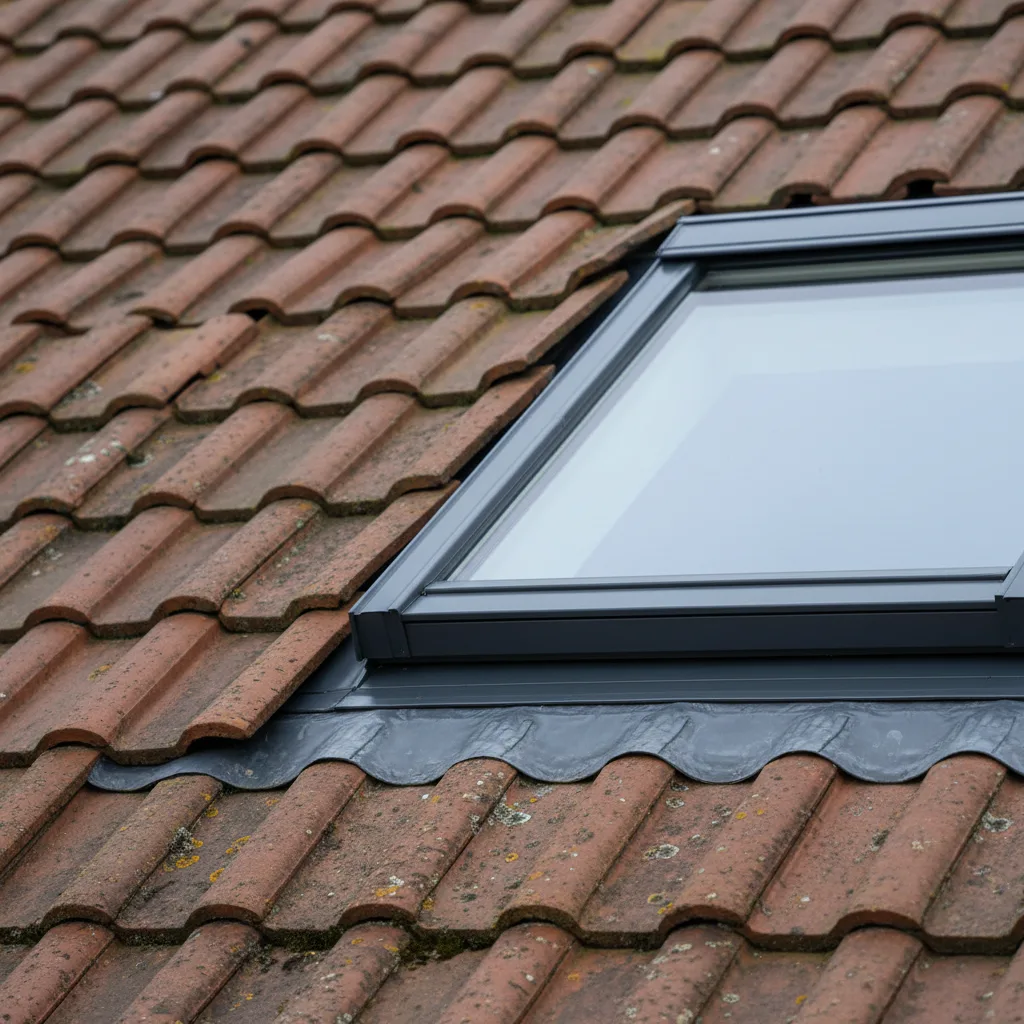
The view. A dome diffuses; you get light without a view. Flush glass gives you sky.
Noise. Polycarbonate drums in rain. Glass, particularly with a laminated pane, is markedly quieter.
Thermal. An old twin wall dome is poor. A modern glazed unit with low emissivity and argon is several times better.
Appearance from outside. A dome reads as a utility fitting. A flush unit reads as architecture.
The kerb question
This is where the cost sits. Domes were often supplied with their own moulded plastic upstand, or fitted to a timber kerb built to a dimension that suited that dome and nothing else.
Three outcomes.
The kerb is timber, sound, square and the right size. Straightforward, and a glazed unit can be made to suit it.
The kerb is timber but wrong. Too low, out of square or rotten at the corners. It is rebuilt, and the covering around it is made good.
The upstand is part of the dome. A new kerb has to be built, which means opening up the roof around the opening.
Weight
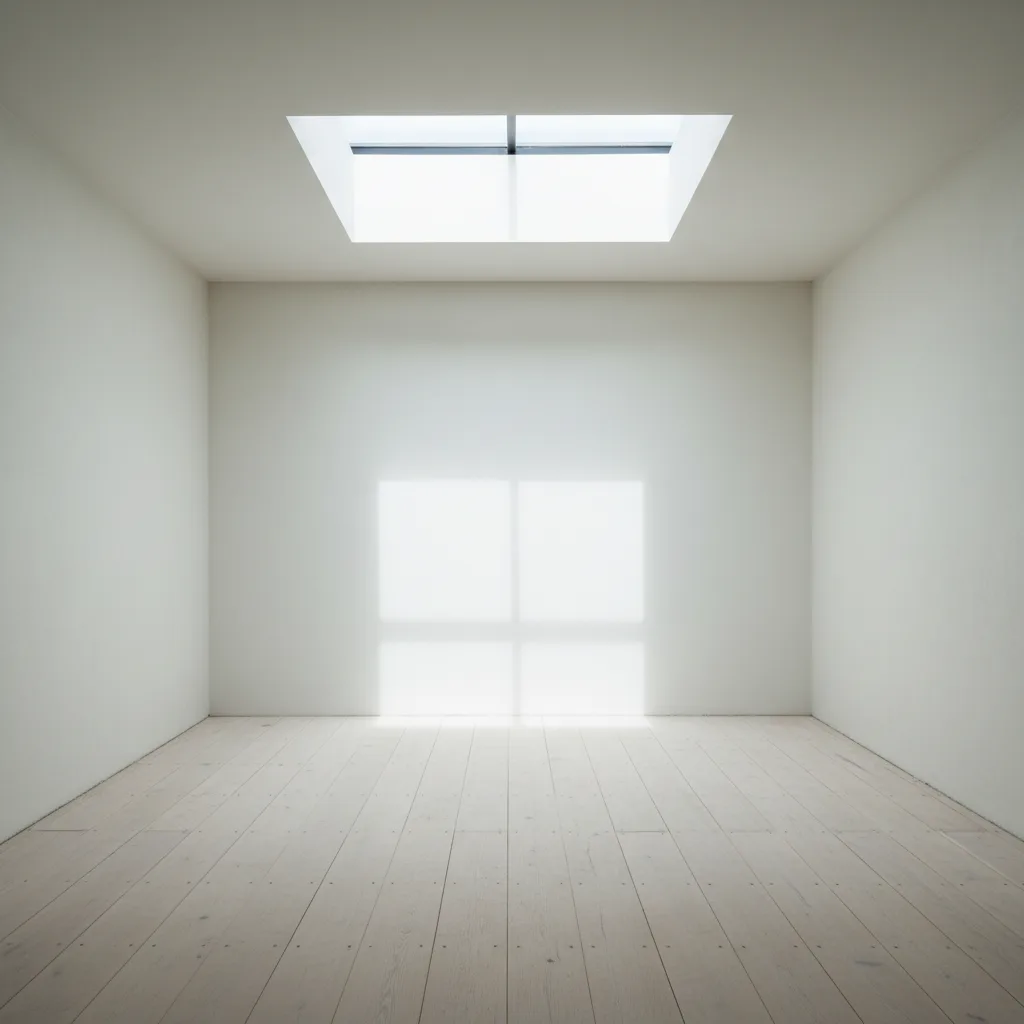
Glass is considerably heavier than polycarbonate. The kerb and the structure beneath have to carry it, and on a lightweight original installation that is worth checking rather than assuming.
Size
Dome sizes rarely match current glazed unit sizes, so this is usually a made to measure job ordered from a measured kerb rather than a stock unit.
The upgrade that does four things at once

An ageing polycarbonate dome is, on most flat roofs, the weakest element in the whole building envelope. Replacing it with a modern flush glazed unit improves safety, security, thermal performance and appearance in a single job, and it is among the cheaper things on a roof to put right.
It is also one of the few pieces of work where every argument points the same way, which is unusual enough to be worth setting out properly.
What is wrong with the dome
It has gone brittle. Multiwall polycarbonate degrades under ultraviolet. It yellows, it hazes, and it loses impact resistance progressively over fifteen or twenty years.
The critical point is that it looks essentially the same the day before it fails as the day it was fitted. There is no warning, which is why falls through fragile rooflights are a recognised cause of serious injury in roof work and why guidance treats older rooflights as fragile unless there is evidence to the contrary.
If anybody clears your gutters or services anything on that roof, this matters.
It performs badly. A twenty five year old dome has no low emissivity coating, no argon fill, and frequently a simple twinwall or triplewall construction with no meaningful edge detail. Whole unit U-values of 3.0 or worse are normal.
A modern glass unit lands at 1.2 to 1.4. That is not a marginal improvement, it is a different order of performance, and it is why the room feels different immediately rather than eventually.
It is the weak point for security. Old polycarbonate, sometimes simply screwed down or held by clips, is genuinely the easiest way into many domestic flat roofs. A modern unit with a laminated inner pane, mechanically fixed to a kerb, is a considerably harder proposition.
It looks like what it is. A yellowed, hazed dome standing proud of the roof is the single most dated feature on many extensions.
What flush glazing gives you instead

Appearance. A flat or low profile glazed unit sitting close to the plane of the roof reads as deliberate rather than as an afterthought. From an upper window looking down, which is how most people actually see their own flat roof, the difference is substantial.
Clarity. Glass does not yellow, haze or craze. In twenty years it will look as it does on day one, which polycarbonate will not.
Light quality. Multiwall polycarbonate diffuses heavily: it gives a milky, shadowless light with no view at all. Glass gives you the sky. On a kitchen extension that is a bigger change than the numbers suggest.
Specification options. Solar control, acoustic laminate, self cleaning coatings, and an opening version with a rain sensor. None of those exists in a dome.
The work involved
More than lifting one off and dropping the other on, and the difference is the kerb.
Many older domes sit on a low upstand or, worse, directly on the deck. Modern flat roof rooflights are designed for a kerb at least 150mm above the finished roof surface, and that height is what keeps the perimeter seal clear of standing water.
So a typical dome replacement involves forming or raising the kerb, correcting the fall on the deck around it where water currently ponds, insulating the outer face of the kerb, dressing the covering up it and terminating it properly, and then setting the new unit.
That sounds like a lot and it is a day or two rather than a project, and it is the part that decides whether the new unit lasts twenty five years or repeats the history of the old one.
Why the kerb is worth doing properly

Standing water against a perimeter seal is the commonest cause of a failed flat roof rooflight. A seal designed to shed water is not designed to be submerged, and sitting in a puddle after every shower works it loose over a few winters.
If the old dome was leaking or its seals had gone early, a kerb that is too low or a deck that falls the wrong way is frequently the reason, and repeating it buys another failure.
The insulation on the outer face of the kerb is the other item, and it is the one that appears on no quotation. A 1200 by 1800 rooflight has six metres of perimeter, and an uninsulated timber kerb punches straight through the roof insulation around all of it, presenting close to a square metre of poorly performing envelope at a U-value several times worse than the glass sitting on it.
It is a sheet of rigid board and an hour, it vanishes under the covering, and it is why the room can still feel cold after a good rooflight has been fitted.
Sizing the replacement
Rarely a like for like match, because dome sizes and modern rooflight sizes come from different traditions.
The new unit is chosen to suit a kerb that is being formed or adapted anyway, so there is latitude. That is worth using: a slightly larger opening, or two units where there was one, frequently gives a better result than replicating a dome position chosen thirty years ago for reasons nobody remembers.
On a long narrow room in particular, two modest units spaced along the length light it more evenly than one central dome ever did.
What to specify

Non fragile as a minimum, which on a flat roof should be the default rather than an upgrade. It costs relatively little and it removes the hazard the old dome represented.
Solar control glass on any substantial unit, because a near horizontal pane collects the midday sun directly whichever way the house faces. This is the one specification that cannot sensibly be added later.
A laminated inner pane, which most quality units have as standard and which does the security work.
An opening version if the room overheats or needs ventilating, ideally with a rain sensor. On a retrofit into a finished room, solar powered avoids running mains cable.
A kerb detail named on the quotation: height, fall, and insulation on the outer face.
Building Regulations
A replacement rooflight is a controlled fitting, so it engages Part L and is notifiable, generally through a competent person scheme with a certificate issued to you.
Where the kerb is being rebuilt and the covering disturbed, that is still a replacement rather than new structural work in most cases, but where joists are cut to enlarge an opening, Part A applies too.
Keep the certificate with the house paperwork. A conveyancing solicitor will ask.
Doing several at once

Where a roof has two or three domes of the same age, they are all in the same condition and they will all reach the same point.
Access, setting up, protection and clearing away are a fixed cost shared across everything done in the same visit, so replacing them together costs meaningfully less than replacing them one at a time as each fails.
It also means the roof ends up with a consistent set of units rather than one new one alongside two yellowed survivors, which on a roof overlooked from an upper window is worth something on its own.
Why people want to
An old polycarbonate or acrylic dome yellows, crazes and clouds with ultraviolet exposure, and there is no remedy for it. What was translucent becomes murky, and the light it delivers falls away noticeably.
It also reads as a service element rather than as architecture, which on a domestic extension is increasingly what people mind about.
Flush glazing gives clarity that does not degrade, a far better thermal specification, solar control options, and a plane rather than a bubble.
What the existing kerb decides

Almost everything about whether this is straightforward or not.
Size. Old domes came in their own sizes, and a modern flush unit is made to measure, so the new unit is ordered to the finished kerb dimensions. That part is fine.
Condition. Probe the top edge and corners. A kerb that has had water standing against it, or a waterproofing termination that failed slowly, will be soft where it matters.
Square and level. Measure both diagonals. A glass unit on an out of square kerb does not sit down evenly, and the gap gets taken up in sealant.
Insulation. Old kerbs are frequently bare timber, because when the roof was unheated or lightly insulated nobody cared. Now it matters.
The weight change
A glass unit is considerably heavier than a plastic dome of the same size. On a large opening that is a structural question rather than a formality, and it is worth having checked rather than assumed.
Take the opportunity
The kerb is accessible for the only time in twenty five years.
Insulate it on the outer face, continuous with the roof insulation. Tape the vapour control layer to the new frame. And check the fall, because if water was ponding against the old kerb it will pond against the new unit unless it is corrected.
All three are cheap now and expensive later.
Specify a slope
A dome sheds water from every point on its surface. A flat pane does not.
So the flush unit needs a modest pitch, either built into the kerb or into the unit itself, or it will hold water, dull over the years, and defeat any self cleaning coating.
A pitched glass unit on a level kerb is usually the neater arrangement, because the kerb stays square and easier to build accurately.
More on Replacing a Failed or Misted Rooflight
Ready to bring the daylight in?
Tell us about your project and we’ll send a clear, fixed written quote, no pressure, no surprises.
- Fixed written price before any work starts
- No pressure, no obligation, no sales calls
- Flexible survey times that suit you
- A reply within one working day