Which roof window brand is best?
The flashing kit and the fitting matter more than the badge. Where brand does count, it is parts availability.
Part of our VELUX Window Installation guide
Several manufacturers make good roof windows. A mid range window fitted properly will outperform a premium one fitted badly every time, and most of the failures we are called to are installation rather than product.
Where brand genuinely counts
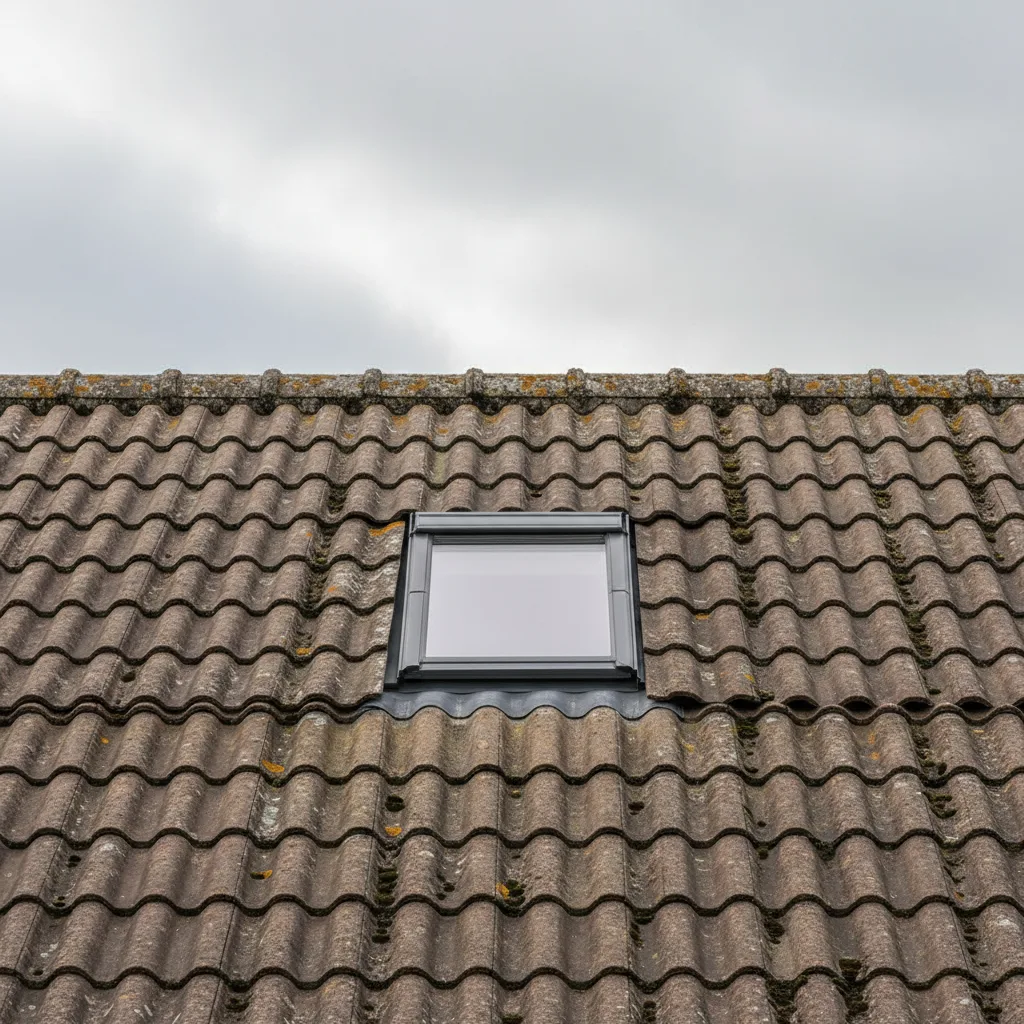
Parts in fifteen years. Seals, handles, hinges and sealed units all get replaced during the life of a window. The largest manufacturer holds parts for models long discontinued; smaller ones are patchier.
Size range. On a replacement, matching an existing opening is the whole problem, and a wider range means more chance of a direct match without altering the opening.
Flashing systems. A mature system has a kit for every covering, combination kits, low pitch kits and recessed options. A narrower system may not cover your roof, and that is when installers improvise, which is where leaks come from.
Where it does not

Thermal performance and glass specification are broadly comparable across the main manufacturers at the same specification level. Build quality on the main brands is all decent.
What actually decides the outcome

The correct flashing kit for your covering, the underlay collar fitted properly, the insulation collar not omitted, and the opening correctly trimmed.
Get those right with any decent window and it will be fine for twenty five years. Get them wrong with the most expensive window made and it will leak by the second winter.
Our practical answer

On a replacement, the widest range wins because matching matters. On new work in a straightforward roof, a good mid range unit correctly flashed is sensible and cheaper. On the coast, the coating specification matters more than the brand.
The wrong question, honestly

Every mainstream manufacturer makes a competent roof window. The differences between the major brands are real but modest: sightlines, accessory ranges, the feel of the mechanism, the size codes they work to.
Almost every rooflight problem we are called to is an installation problem rather than a product problem, and the brand on the frame has very little to do with whether the window leaks.
What actually determines the outcome

The right flashing kit for your covering. A flat kit on a profiled tile leaves voids that water finds within a season, and it is the most common fault we find on other people’s work.
The underlay collar, lapped correctly, so the roof membrane drains around the opening rather than into it.
The covering reinstated over the flashing, never under it.
The frame set square in both directions, so the sash closes evenly for twenty five years.
The insulation collar fitted, so the reveal does not run cold enough to condense.
Get those five right and almost any decent unit will run for twenty five years. Get any of them wrong and the best window on the market will leak.
Where brand does matter

Accessory ecosystems. Some ranges have extensive clip in blind options that fit exactly and cost far less than made to measure. That is a genuine practical advantage.
Size ranges and continuity. A manufacturer that has kept its size codes stable over decades makes replacement easier in twenty five years. That is worth something.
Availability. Stock sizes held in the country arrive in days; a specialist product arrives in weeks.
Specialist products. Conservation rooflights, walk on glazing and very large bespoke units come from a narrower field, and there the choice is about capability rather than preference.
What we do

Specify by what the job needs rather than by a standing preference. On a listed building that means a conservation manufacturer. On an obsolete opening it may mean whichever maker still offers that dimension. On a stock replacement it usually means matching what is already there, because the flashing and the opening are already sized for it.
The quotation names the manufacturer, model and size code so you know exactly what you are buying, and you are welcome to ask why that one.
The question worth asking instead
Not which brand, but which flashing kit, whether the insulation collar is included, and what the workmanship guarantee covers. Those three tell you far more about how the installation will perform.
How to compare them without brand loyalty
Ask for the same five numbers from each and put them side by side.
Whole unit U value, not centre pane. This is the comparison most likely to reorder your shortlist, because the gap between the two figures varies by manufacturer and by size.
g value, which tells you about summer comfort as well as winter heat.
Spacer type. Warm edge or not.
Warranty terms, and specifically what is covered on the sealed unit as opposed to the frame, and whether labour is included.
Whether the size you need is a stock size in that range, because that decides lead time and the cost of every accessory afterwards.
The practical consideration people miss
Accessory availability over the next twenty years. Blinds, flashing kits and insulation collars are all size and range specific, and a well established range with wide distribution means those parts will still be obtainable when you need them.
That argues for a mainstream manufacturer on a window you intend to keep, and it is a stronger argument than any single performance figure.
Consistency on one roof matters too. Where several windows are visible together, they should come from the same range, because frame proportions differ enough between makers to be noticed from inside.
More on VELUX Window Installation
Ready to bring the daylight in?
Tell us about your project and we’ll send a clear, fixed written quote, no pressure, no surprises.
- Fixed written price before any work starts
- No pressure, no obligation, no sales calls
- Flexible survey times that suit you
- A reply within one working day