Can a roof window be fitted in a bathroom?
Yes, and it is one of the better places for one. Specify for moisture and check the electrical zoning.
Part of our Roof Window Installation guide
Yes, and a roof window transforms a dark bathroom. It is the wettest room in the house, so three things need attention.
Frame material
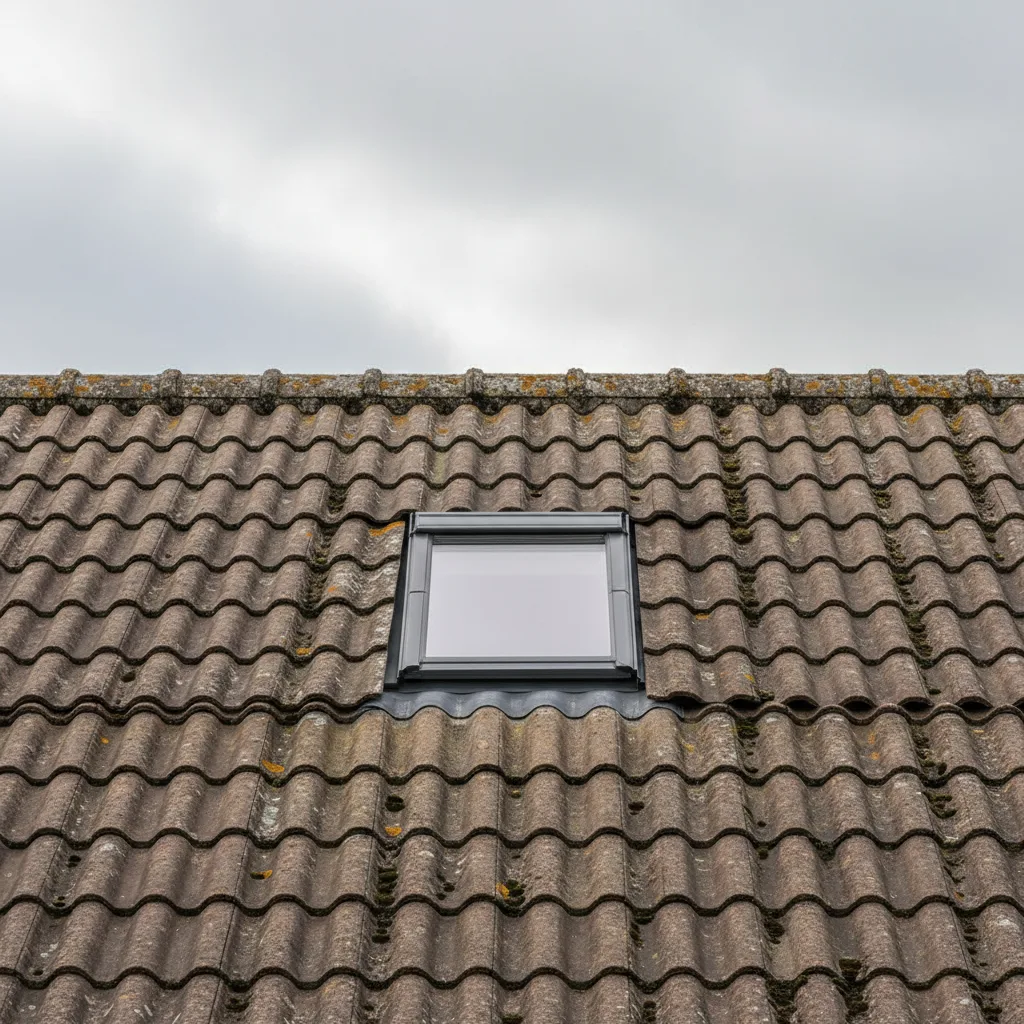
Manufacturers make moisture resistant versions specifically for bathrooms, usually a polyurethane coated timber core or a fully polyurethane frame. They handle repeated humidity far better than a standard painted or lacquered timber unit.
In a shower room or wet room this is worth specifying rather than treating as optional. A standard timber frame in a family bathroom will show it within a few years.
Ventilation

An opening roof window helps a great deal, because it removes humid air at the highest point of the room where it collects.
It does not remove the requirement for mechanical extraction. Building Regulations require extraction in a bathroom regardless of openings, and a window that only gets opened sometimes is not a ventilation strategy.
Privacy

Usually less of a problem than expected, because a roof window on an upper slope is rarely overlooked. Where it is, obscured or acid etched glass solves it without losing daylight and costs little.
Worth checking sightlines from neighbouring upper windows at survey rather than assuming.
Electrical zones

If the window is electric and sits over or near a bath or shower, it falls within the bathroom zoning rules, and the unit and its wiring must be specified accordingly.
That is an electrician’s decision and it belongs in the specification from the start rather than being discovered at second fix.
Condensation

Expect some on the glass on cold mornings; that is the room, not the window. What should not happen is condensation forming inside the sealed unit, which means the unit has failed, or persistent damp at the reveal, which usually means the insulation and vapour control around the opening were not detailed properly.
Yes, and it is one of the best rooms for one

Bathrooms are frequently the darkest rooms in a house, and a roof window brings daylight from above without any of the privacy problems a wall window creates. There is nothing about a bathroom that makes a rooflight unsuitable.
Three things need thinking about, and all three are decided at order stage.
1. Ventilation, which is the point

An opening at the highest point of a bathroom lets steam leave directly rather than circulating, which is the fastest way to clear a room.
Above easy reach that means motorised, and a rain sensor matters because a bathroom rooflight left open in a shower is a wet floor. On a retrofit into a finished bathroom, solar avoids running cable through a tiled wall.
It does not replace the extract fan. A fan sized for the room, on an over run timer or humidity sensor, ducted to outside rather than into a loft, is what actually keeps a bathroom dry.
2. Privacy

Rarely an issue, because a rooflight faces the sky. Where the property sits below higher ground, or a taller building looks down onto the slope, obscure glazing solves it permanently without a blind that would get wet.
On a side elevation facing a boundary, permitted development may require obscure glazing anyway, and restrict how far the unit opens below 1.7 metres from the floor.
3. Condensation
The rooflight will be the coldest surface in the room, so moisture will show up there first. That is not a fault.
What reduces it is a good whole unit U-value with a warm edge spacer, so the glass runs warmer, and a fitted insulation collar, so the reveal does not run cold enough to condense. Both are specified at order rather than added later.
Powered units and bathroom zones
Bathrooms have defined electrical zones and any equipment has to be rated for the zone it sits in. A motorised rooflight above a bath or shower is a case where the electrician needs to know exactly where it sits.
Settle it at design stage rather than on the day.
Cleaning
Think about it before it goes in. Standing in a bath or a shower tray on a stepladder is not a good arrangement, and a centre pivot unit that rotates for cleaning from inside is worth specifying on anything above reach.
Why a bathroom is a good place for one
Bathrooms generate more moisture than any other room and frequently have the least window area, because privacy has pushed the glazing down to a small obscure pane or removed it entirely.
A roof window solves both problems at once. It gives daylight without any overlooking, because nobody can see in through a window facing the sky, and it gives ventilation at the highest point in the room, which is exactly where warm moist air collects.
What to specify differently
A polyurethane coated or laminated finish rather than bare timber. A painted timber window in a bathroom will need redecorating far sooner than the same window on a landing, and a factory applied moisture resistant finish removes that maintenance entirely.
A blind that tolerates humidity. Fabric blinds in a bathroom eventually suffer; a venetian or a moisture resistant pleated blind does not.
And obscure glazing only if the window is genuinely overlooked from a higher building, which is rare. Clear glass gives far more light and usually there is nothing to see in.
Ventilation and the regulations
An openable roof window contributes to purge ventilation, but it does not remove the requirement for mechanical extraction in a bathroom where the regulations call for it. The two are complementary rather than alternatives.
The practical point is that the window handles the everyday and the extract fan handles the shower, and a bathroom with both stays dry in a way one with either alone does not.
More on Roof Window Installation
Ready to bring the daylight in?
Tell us about your project and we’ll send a clear, fixed written quote, no pressure, no surprises.
- Fixed written price before any work starts
- No pressure, no obligation, no sales calls
- Flexible survey times that suit you
- A reply within one working day