What is the difference between centre pivot and top hung?
Where the sash goes when it opens, which decides cleaning, headroom, view and escape.
Part of our Roof Window Installation guide
The difference is where the sash goes when the window opens, and it has more consequences than it first appears.
Centre pivot

Rotates about a horizontal axis across the middle. Top half swings out, bottom half swings in.
Handle at the top, so it works on a window set high in the roof, and it is out of reach of small children. It rotates fully for cleaning from inside. It is cheaper and more common.
The lower half comes into the room, so nothing can sit directly beneath it and standing at it while open is awkward.
Top hung

Hinges at the top, whole sash swings outward like a casement.
Nothing enters the room, so you can stand at it and lean out, and the view is unobstructed. It can meet escape requirements, which centre pivot generally cannot.
Handle at the bottom, so the window must be within reach, and cleaning the outside needs either a separate rotate function or access from outside.
Choosing

High in the roof, above reach: centre pivot.
Low enough to reach with a view worth having: top hung.
Habitable loft room needing escape: top hung, specified as an escape unit.
Child’s bedroom: centre pivot puts the handle out of reach, or top hung with a proper restrictor.
Desk or bed under the window: top hung.
Combination units

Some manufacturers offer a sash that top hangs for use and centre pivots for cleaning, which resolves the trade-off properly. It costs more and on an upper floor window with a good view it is usually worth it.
Where the hinge is

A centre pivot window rotates about a horizontal axis roughly halfway up the sash. As the top swings inward, the bottom swings outward.
A top hung window is hinged at the head and swings outward from the bottom, like a conventional casement laid back into the roof.
That single difference drives everything else.
What centre pivot gives you

Cleaning. The sash rotates fully so the outer face turns inward and can be cleaned from inside the room. On a high level window this is the most useful feature a roof window can have, and it is the main reason centre pivot remains popular.
Operation at height. The handle is usually at the top of the sash, reachable with a pole from floor level, and the balanced action means it opens easily.
Cost. Generally the cheaper mechanism.
What top hung gives you

A clear opening. Nothing sits in the aperture when it is open, which matters for two reasons.
The view. Standing at the window you look out unobstructed, which suits a loft room with a view worth having.
Means of escape. This is the decisive one. In a habitable loft room, Building Regulations frequently require the roof window to serve as a means of escape, with a minimum clear openable area and minimum opening dimensions. A centre pivot sash sitting in the middle of the opening obstructs it and frequently fails the requirement. A top hung unit that swings clear satisfies it.
The drawback of top hung
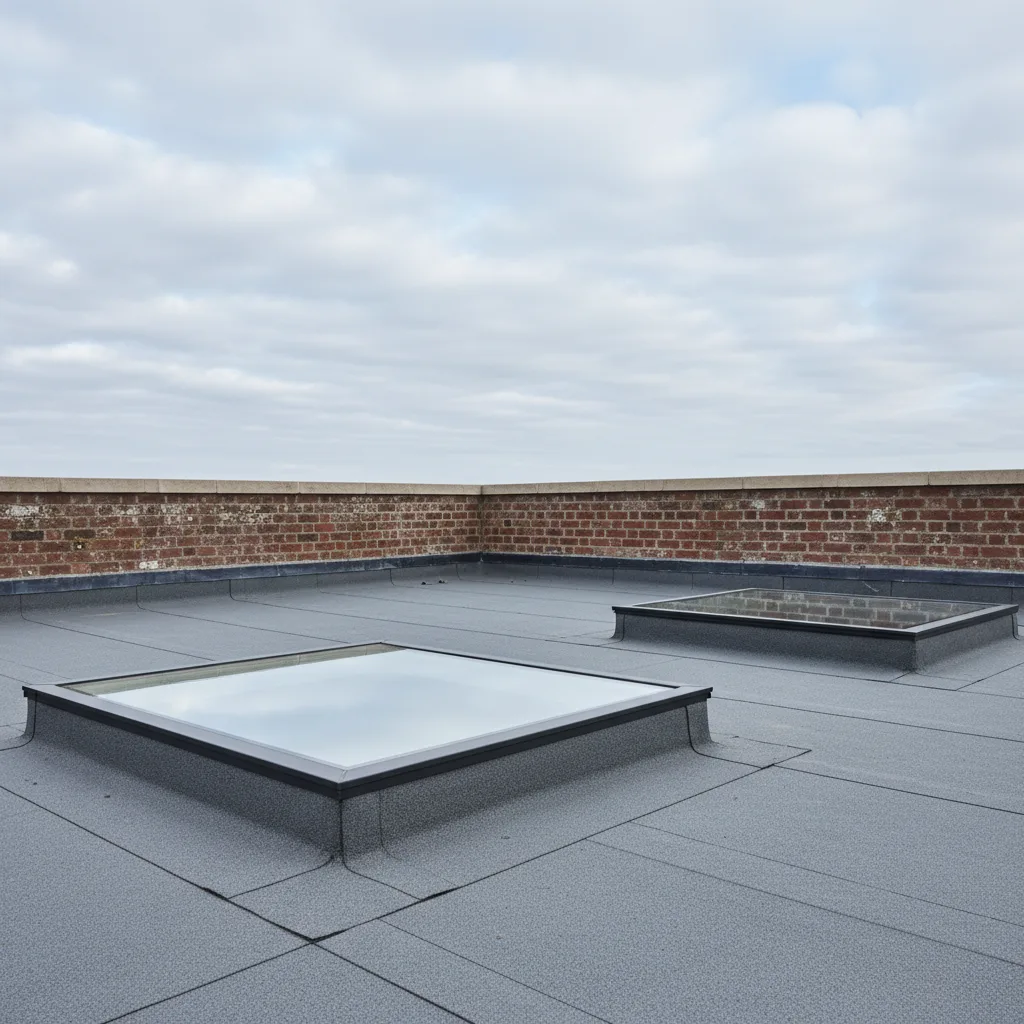
The outer face cannot be turned inward, so cleaning it means reaching out through the opening or getting to it from outside. On a first floor rear slope reachable by leaning out, that is manageable. Higher than that, plan how it gets cleaned before it goes in.
Units that do both
Several manufacturers make a dual action window that opens top hung for use and pivots for cleaning. It costs more and on a high level unit it is worth the premium, because it removes the trade off entirely.
How to choose
If the room is a habitable loft and this window carries the escape duty, top hung, and that decision is made at design stage rather than at order stage because reversing it after the unit arrives is expensive.
If it is high and the view is not the point, centre pivot, for the cleaning.
If it is a loft room with a good view and you can reach the outer face, top hung.
If it is high, has a view, and escape matters, pay for the dual action.
The one decision to make first
Whether this window carries the means of escape duty for a habitable loft room. If it does, top hung, and that is settled at design stage rather than at order stage.
Everything else, cleaning, view, cost, is a preference. The escape requirement is not.
Ask us
Tell us what the room is and whether it is a habitable loft, and we will tell you whether the escape requirement applies before you choose on looks.
Cleaning a top hung unit
On a first floor rear slope you can usually reach the outer face by leaning out through the opening, which is fine. Higher than that, plan the access before the window goes in: a pole system with a soft head works, and self cleaning glass helps on a pitched unit where rain sheets off it.
One last point
Several manufacturers make a dual action window that opens top hung for use and pivots for cleaning. It costs more, and on a high level unit with an escape duty it removes the trade off entirely.
How each one moves
Centre pivot. The sash rotates about a horizontal axis near its middle. The top half swings outward and the bottom half swings into the room.
Top hung. The sash hinges at the head and swings outward and upward, leaving the whole opening clear.
What follows from that
Centre pivot is easier to operate from below on a shallow roof, because the control bar is at the top and comes within reach as the sash rotates. It also rotates fully for cleaning the outer face from inside, which is its best feature.
Its drawback is that half the sash occupies the room when open, so furniture cannot sit directly beneath it and the clear opening is much smaller than the glass area.
Top hung gives a full clear opening and an uninterrupted view out, which suits a low set window in a loft room where you want to look at the garden rather than the sky. It is also the usual choice on a steep roof and for escape windows.
The decider
If the window may need to serve as an escape window, top hung or an escape model. If it is high on a shallow slope and cleaning access matters most, centre pivot.
More on Roof Window Installation
Ready to bring the daylight in?
Tell us about your project and we’ll send a clear, fixed written quote, no pressure, no surprises.
- Fixed written price before any work starts
- No pressure, no obligation, no sales calls
- Flexible survey times that suit you
- A reply within one working day