Do roof windows need servicing?
Not servicing exactly. Ten minutes of maintenance once a year materially extends the life.
Part of our Roof Window Installation guide
There is no service interval and no engineer to book. There are five things worth doing once a year that take about ten minutes and make a real difference.
1. Clean the filter
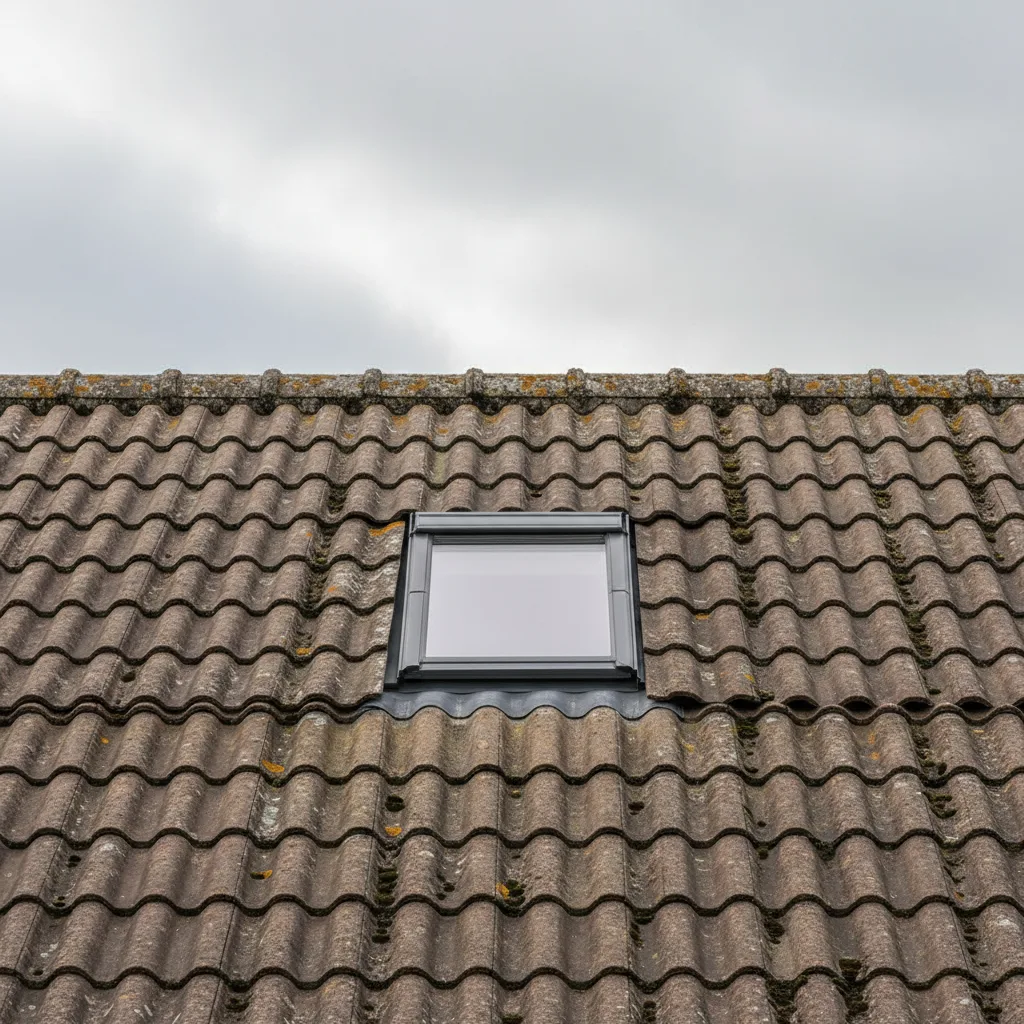
Most roof windows have a ventilation flap at the top with a filter behind it. It clogs with dust and pollen, which reduces background ventilation and increases condensation in the room.
It usually pulls out and can be vacuumed or rinsed. It is the single most neglected part of a roof window.
2. Wipe the seals
The rubber gaskets around the sash collect grit that stops them compressing properly, which lets draughts and eventually water past. A wipe with a damp cloth is enough.
If a seal has gone hard or is splitting, it is a replaceable part rather than a new window.
3. Lubricate the hinges

A drop of light oil on the hinges and the friction stays keeps the action smooth. A stiff window gets forced, and forcing is what breaks handles and catches.
4. Check the timber finish
On a timber framed window, look at the finish inside, particularly at the bottom of the sash where condensation runs. Recoating a sound frame is straightforward; replacing a rotten one is not.
Every five years or so is usually right, sooner in a bathroom or kitchen.
5. Clear the flashing

Leaves and moss build up against the head flashing above the window, particularly under trees. That dam holds water where it should be flowing away.
Clearing it takes a moment from the roof or with a pole and prevents a class of leak that gets blamed on the window.
Electric units
Add checking the rain sensor is clean, because a dirty sensor either fails to detect rain or closes the window constantly.
Not servicing so much as ten minutes a year

There is no scheduled service in the way a boiler has one. What there is, is a short annual routine that makes the difference between the top and the bottom of a fifteen to twenty five year life.
The routine
Clean the gasket. The single most useful item. Grit, leaves and moss on the compression seal stop the sash seating properly, which lets water past and is reported as a leak. On a motorised unit it also makes the actuator work against an obstruction on every cycle.
Clean the filter. Most roof windows have one at the top of the sash behind a removable strip. It clogs with dust, the trickle ventilation stops working, and the room gets damper without anybody connecting the two.
Clean the glass, inside and out. On a centre pivot unit, rotate the sash and lock it in the cleaning position: that is what the feature is for.
Look at the outside every few years and after storms, for lifted flashing edges, slipped tiles or rust staining.
Motorised units, two extra

Wipe the rain sensor, because a dirty one either misses rain or reads permanent moisture from grime and refuses to let the window open at all, which looks exactly like a fault.
Cycle the unit fully a few times a year including in winter, because mechanisms that sit unused seize. Light oil or a dry PTFE spray on the chain, not grease.
What wears out and when
The sealed unit at fifteen to twenty five years. The actuator at ten to fifteen, and it is a serviceable part that unbolts and is swapped for a fraction of the cost of a new window. Gaskets at fifteen to twenty, and their life depends almost entirely on whether they are kept clean.
Nothing else, on an installation that was detailed properly.
What is not maintenance

Anything involving the flashing, the underlay collar or the covering. Those are installation details rather than serviceable parts, and if water is getting past them it is a fault rather than a maintenance lapse.
On work we did, that is what the ten year workmanship guarantee is for.
Where a professional visit helps
On units above easy reach, on lanterns with internal drainage channels that collect debris, and on any installation where you have noticed a change and want it looked at before it becomes a problem.
The annual half hour

Open the window fully and look at it in daylight.
Wipe the gasket where the sash meets the frame and check it is intact, seated, and not perished. That gasket is what makes the window weathertight and it is compressed every time the window closes.
Clear the drainage channel at the sill. Debris there holds water against the seal, and it is the commonest cause of a window that starts leaking after fifteen uneventful years.
Check the hinges and the friction. A sash that has become stiff or that no longer holds position is telling you the hinges need adjustment before they need replacing.
Look at the external cladding for lifted or damaged sections, and at the flashing for anything that has worked loose.
The filter
Many roof windows have a ventilation flap with a filter behind it at the head of the sash. It collects dust and pollen and eventually blocks, at which point the trickle ventilation stops working and nobody notices.
It lifts out, gets washed, and goes back. Once a year is plenty.
Timber windows

A painted or varnished timber window needs its finish maintained on a cycle, and the interval is much shorter in a bathroom or a kitchen than on a landing.
Catching it before the finish fails is the whole point. Once water reaches bare timber the repair is a different job.
What not to do
No general purpose oil on the mechanism, which attracts grit. Use what the manufacturer names, sparingly.
More on Roof Window Installation
Ready to bring the daylight in?
Tell us about your project and we’ll send a clear, fixed written quote, no pressure, no surprises.
- Fixed written price before any work starts
- No pressure, no obligation, no sales calls
- Flexible survey times that suit you
- A reply within one working day