Rooflight and skylight installation in Great Notley
A modern planned village south of Braintree, almost entirely built since 1990.

Rooflights we install in Great Notley
Every job is surveyed first. The right unit depends on the roof you have, not on what we would rather sell.
 Roof Lantern Installation
Read more
 Flat Roof Rooflight Installation
Read more
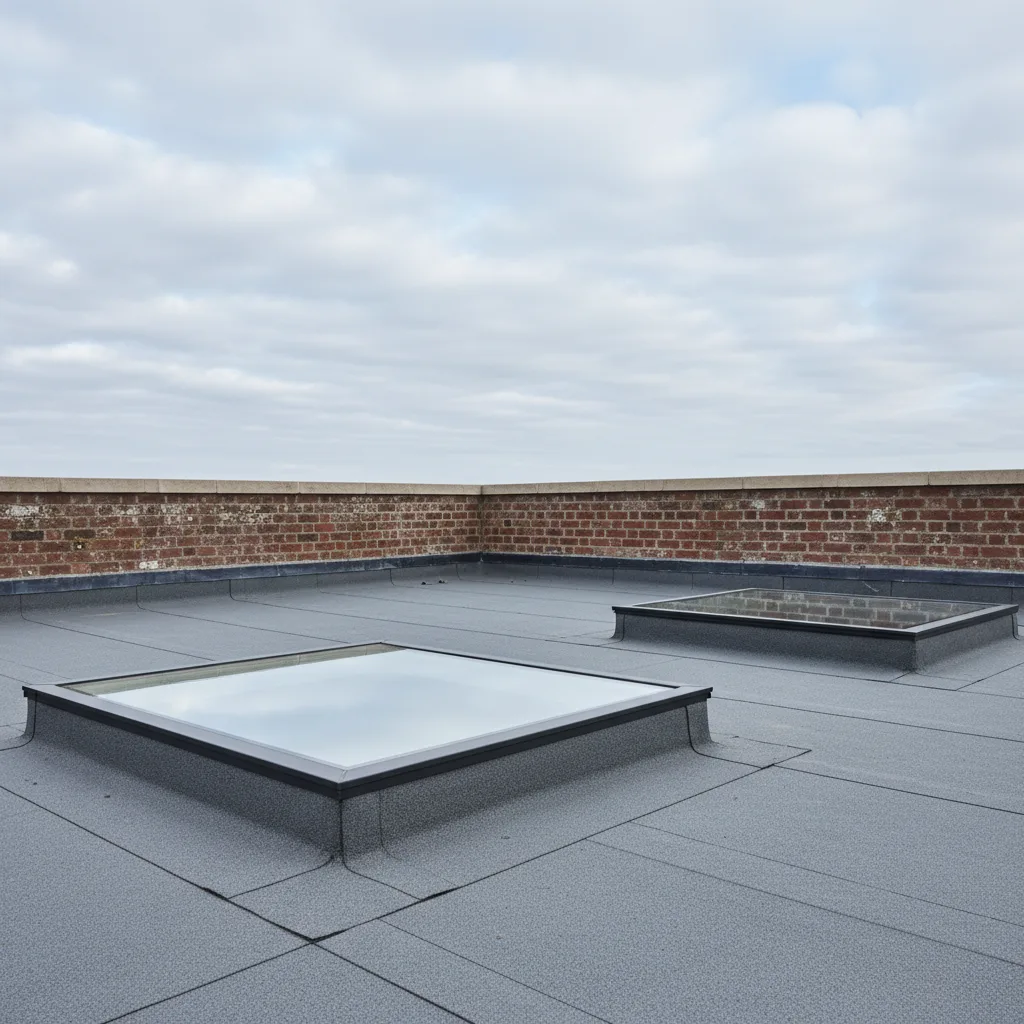 Roof Window Installation
Read more
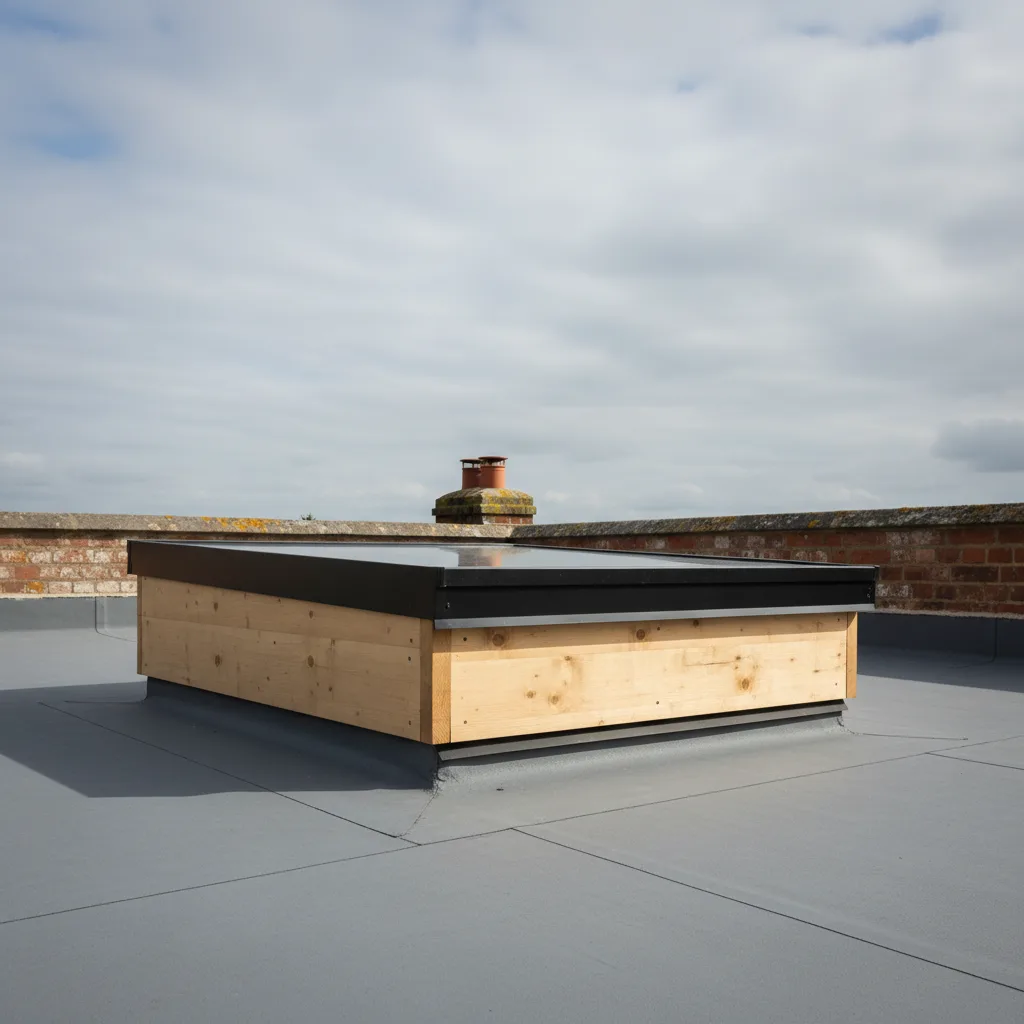 VELUX Window Installation
Read more
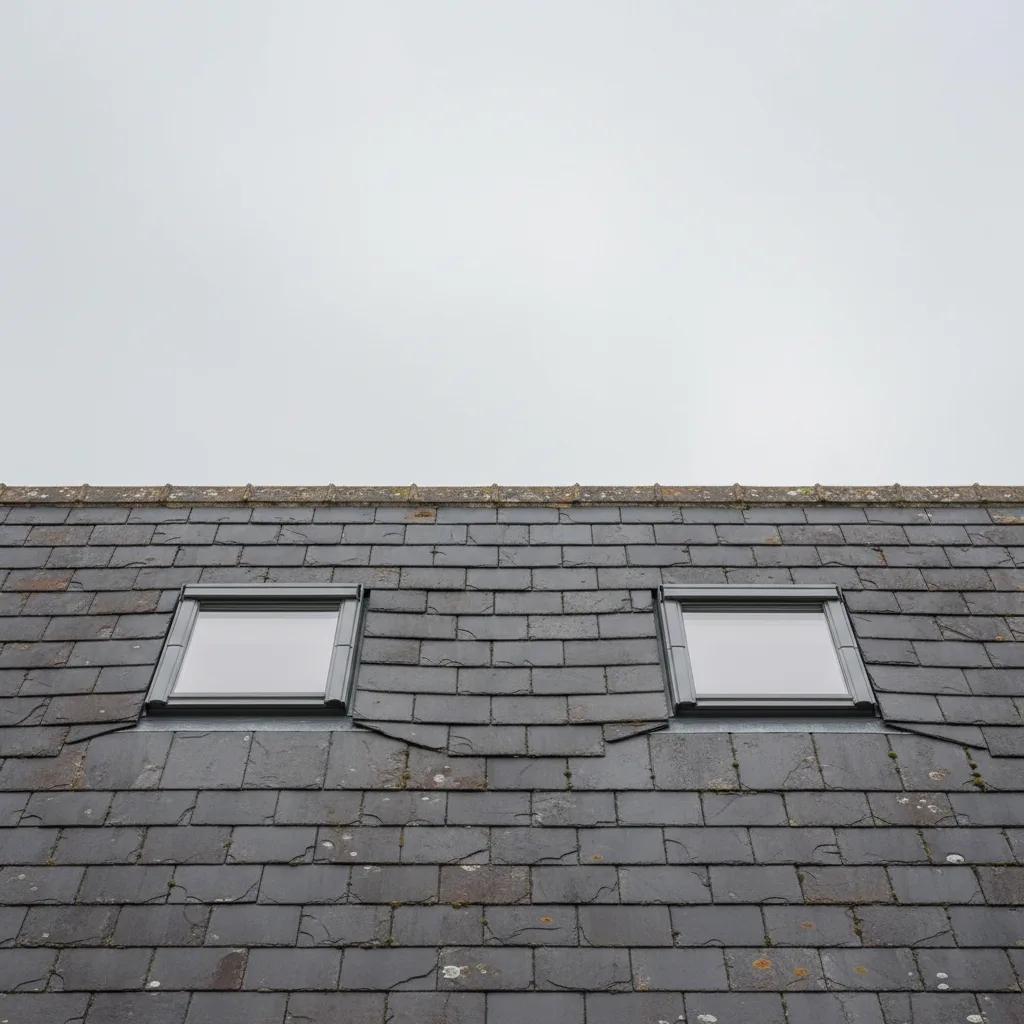 Electric and Opening Rooflights
Read more
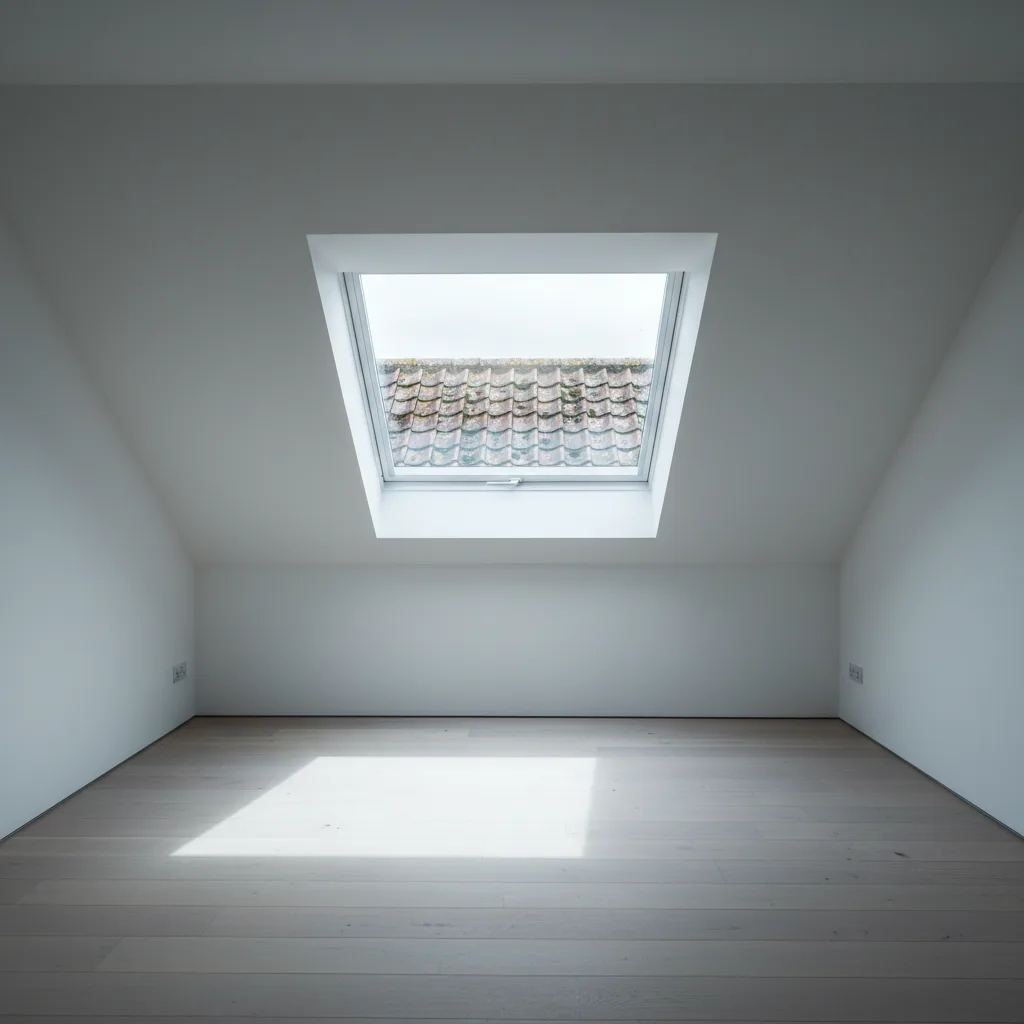 Energy Efficient Rooflights
Read more
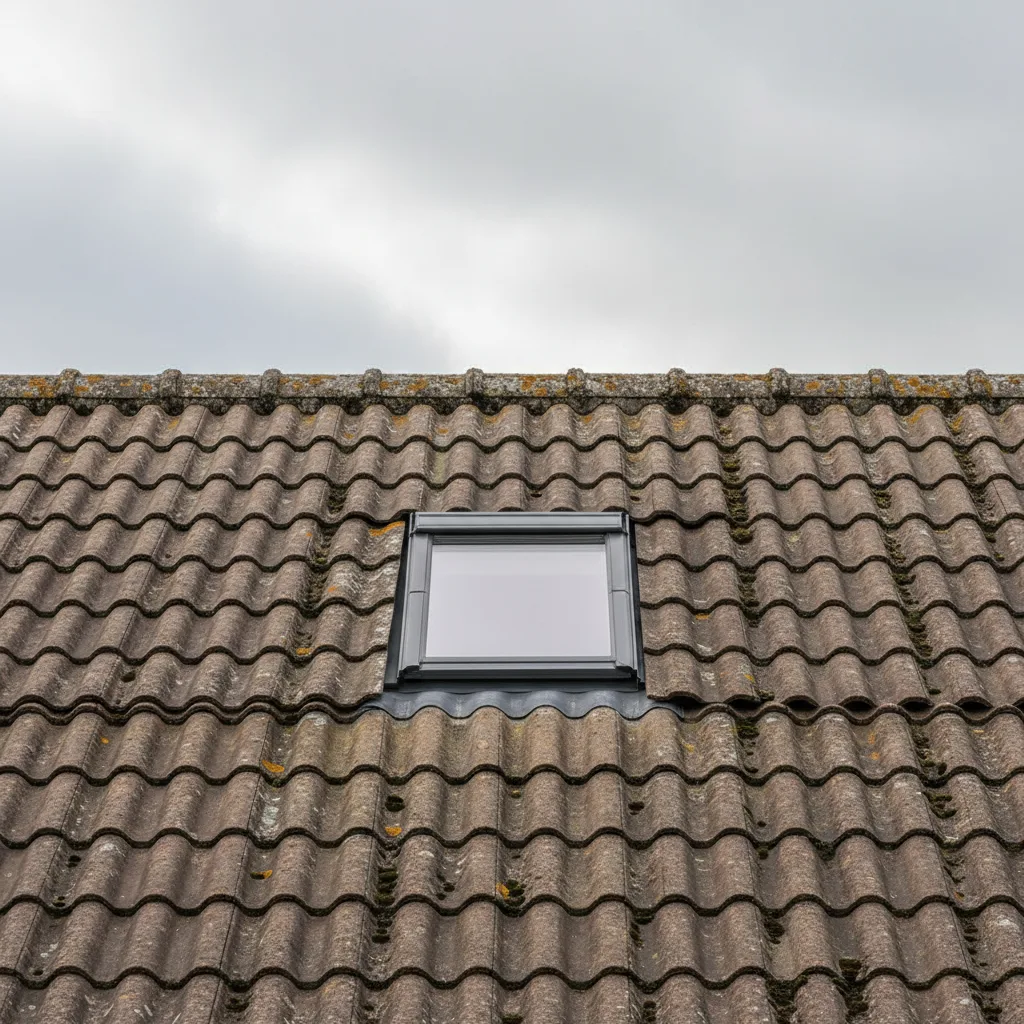 Replacing a Failed or Misted Rooflight
Read more
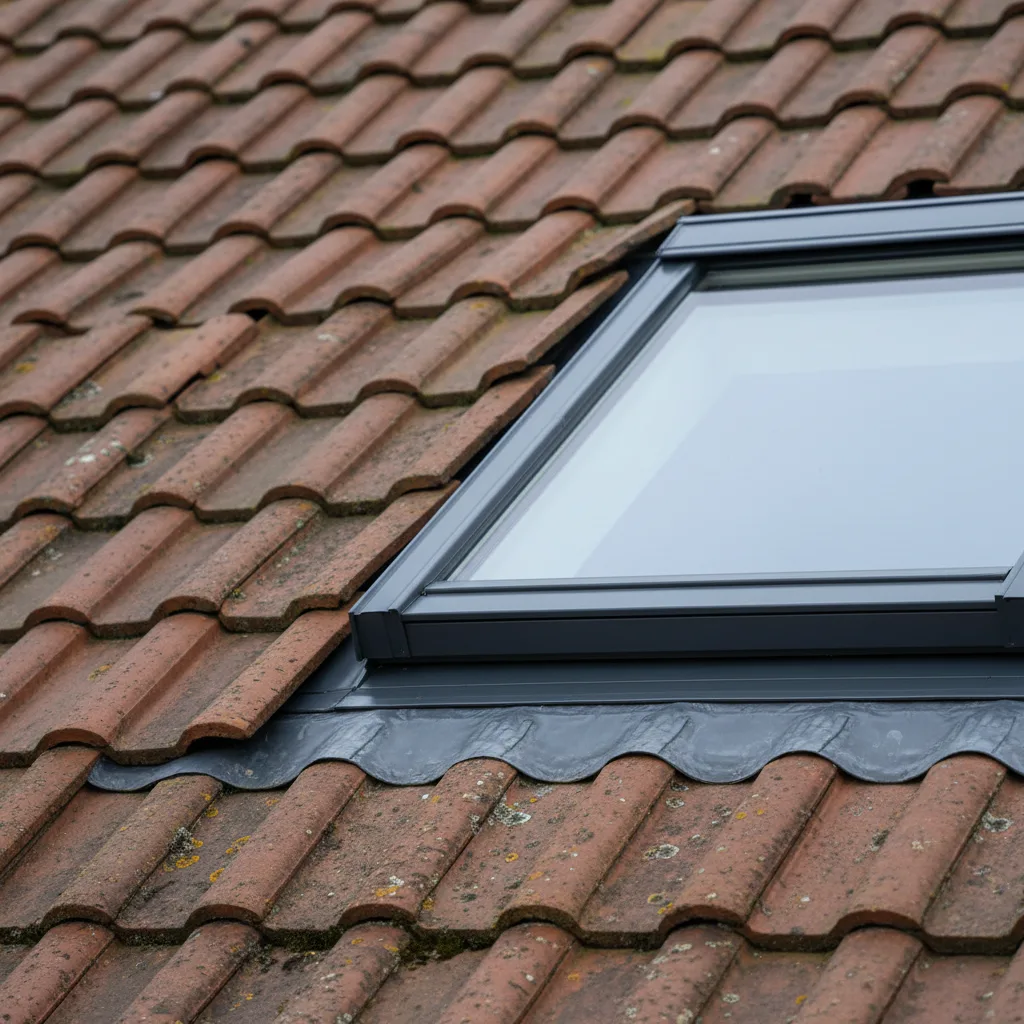 Walk-On Rooflight Installation
Read more
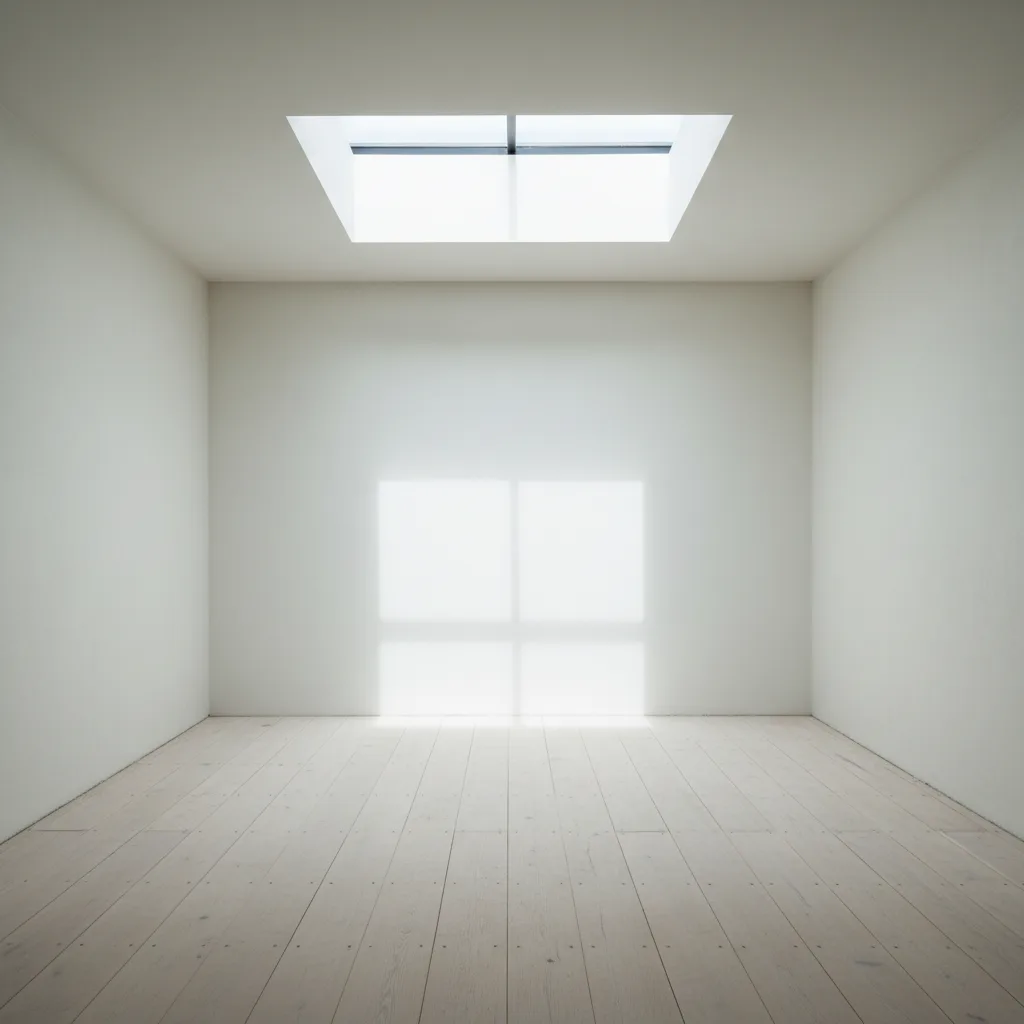 Conservation Rooflight Installation
Read more
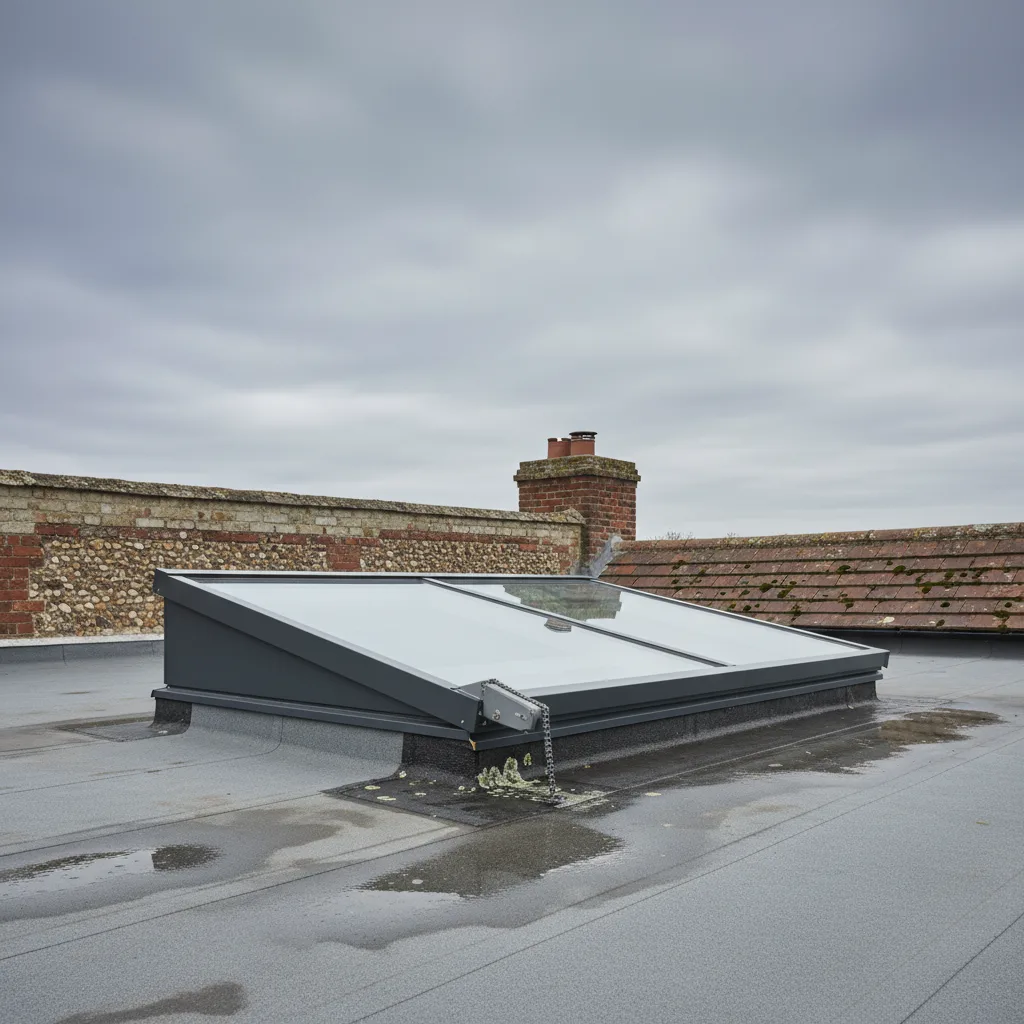 Sun Tunnel Installation
Read more
Great Notley is the newest place we work: a planned village south of Braintree built almost entirely since 1990, with a country park at its centre.
Uniformly modern

Trussed roofs throughout, breathable membrane underlay, profiled concrete tiles, and warm roof construction on any flat elements. There is no historic stock here at all and no conservation constraint.
That makes it predictable, and it puts the emphasis on the three things that always matter on modern construction: the correct deep profile flashing kit, no cutting of trusses without a structural design, and an insulated kerb on any flat roof unit so the perimeter is not a cold bridge.
Extending a newer house

Extending a house that is twenty years old is now common here. The whole extension is assessed together under current building regulations, so a poorly specified rooflight forces better performance elsewhere in the build. Getting the glass right first is cheaper than compensating for it in the walls.
Airtightness and ventilation

Modern houses are relatively airtight, which is good for bills and hard on humidity. An opening rooflight at the highest point of a kitchen moves more air than two open windows, because warm air leaves at the top and draws cooler air in behind it.
Skylight and rooflight work we cover in Great Notley

Roof lanterns, flat roof rooflights, roof windows, VELUX replacements, conservation units and sun tunnels, all surveyed before they are quoted. We also work in Braintree, Bocking and Witham.
A garden village, built new

Great Notley was built from the 1990s onward on open ground south of Braintree, and it is one of the newest settlements we cover. There is no historic core, no conservation area and no listed buildings, which removes the constraint that dominates most of the villages in this part of Essex.
What replaces it is a different set of questions, and they are the ones worth asking on any modern estate.
Trussed roofs, and the width limit
Every roof here is trussed. Rafter, ceiling tie and internal webs are one engineered component connected with pressed steel plates, designed as a whole and calculated as a whole.
A rooflight narrow enough to sit between two trusses at the usual 600mm centres, touching neither, goes in with no structural work at all. That is the straightforward job and it is what most Great Notley enquiries turn into.
Anything wider means cutting a truss member, which changes how the roof carries load and needs a structural trimmer designed by an engineer rather than judged by a fitter. It is routine work and it is the point at which a quotation steps up, which is worth knowing before setting a budget.
It also means the loft is not convertible in the ordinary sense. Webs cross the middle of the space, so clearing them means replacing the roof structure rather than boarding it out. Daylight work here happens over extensions rather than in the main roof.
Covenants, which are the real constraint
With no planning designation over the estate, the restriction people actually run into is contractual rather than statutory.
Developers frequently impose covenants in the deeds restricting alterations to elevations facing the street, and sometimes restricting external alterations more broadly. These are private and enforceable, they are not visible on any planning search, and they are much easier to read before the work than to argue about after.
Where a management company oversees the estate, there may also be a consent process separate from both planning and the covenant. Worth a phone call rather than an assumption.
Structural warranties
Where a property is still inside its warranty period, forming a new opening in the roof can affect cover.
That is not a reason to avoid the work. It is a reason to check the terms and to keep documentation showing the installation was carried out to the manufacturer’s instructions. We provide a written specification naming the unit, the flashing kit and the detailing, plus a ten year guarantee on the workmanship, which is what a warranty provider asks for if the question arises.
Shallow pitch, and getting light into the room
Pitches here are shallow, typically between 25 and 30 degrees. That is comfortably above any manufacturer’s minimum and it changes two things.
Water sheds more slowly, so more of the weathering job falls on the flashing kit. The correct deep profile kit for an interlocking tile is essential rather than preferable, and substituting a flat kit intended for slate leaves voids under the tile profile that water finds within a season.
And the reveal is longer and shallower, which blocks a surprising amount of the light the window collects. Splaying it, cutting back at an angle at head and sill rather than boxing it square, opens the beam and makes a modest unit feel much larger. It costs a little more in plastering and it is the best value decision available on a roof of this pitch.
Extensions and overheating
Most of the work here is over rear extensions, and the kerb decides whether the installation lasts: at least 150mm of upstand, the deck falling away from it, and rigid insulation on the outer face.
Modern airtight, well insulated houses with glazed extensions overheat readily, and a good number of rear elevations here face south or west. Solar control glass on those orientations is not an optional extra: it costs a modest premium at the point of order and a great deal to change afterwards, because the labour and access are identical either way. On north facing units, specify nothing extra, because there is no direct sun and solar control would only make a good room slightly darker.
The other half of the answer is an opening at the highest point of the room so accumulated heat can leave. On a motorised unit with a rain sensor, night purge happens without anyone thinking about it.
Access
Among the easiest anywhere we work. Off street parking, wide roads, open frontages and space to stand a tower at the rear. Most single storey extension work needs no scaffold at all, which keeps the cost noticeably below the older towns.
| Local factor | In Great Notley |
|---|---|
| Planning authority | Braintree District Council |
| Conservation position | None. The village is modern throughout |
| Typical roof covering | Concrete interlocking tile |
| Roof structure | Trussed rafters at 600mm centres |
| Exposure | Inland, standard coatings |
| Most common job here | Flat roof extension rooflights |
Maintenance on a modern installation
A rooflight fitted properly on a modern house asks very little, and the routine is short enough to be worth doing.
Clean the gasket once a year. The most useful item on the list. Grit, leaves and moss on the compression seal stop the sash seating properly, which lets water past and gets reported as a leak, and on a motorised unit makes the actuator work harder every cycle against an obstruction.
Clean the filter. Most roof windows have one at the top of the sash. It clogs, the trickle ventilation stops working, and the room gets damper without anybody noticing why.
Keep flat roof perimeters clear. Leaves and silt collect around a kerb, and standing water against a seal is what kills a flat roof unit early. Check the outlet the roof drains to at the same time, because a perfect fall discharging into a blocked gulley is a pond.
Wipe the rain sensor. A dirty sensor either misses rain or reads permanent moisture from grime and refuses to let the window open at all, which looks exactly like a fault.
Cycle motorised units fully a few times a year including in winter, because mechanisms that sit unused seize.
What eventually fails
The sealed unit, at fifteen to twenty five years, when the perimeter seal gives up after decades of daily thermal cycling. End of life rather than fault.
The actuator on a motorised window, at ten to fifteen years. The shortest lived component, and a serviceable part that unbolts and is swapped for a fraction of the cost of a new window.
Nothing else, if the installation was right. Frames, flashings and glass have no moving parts and no reason to fail early on a job that was detailed properly.
Guarantee
Ten years on our workmanship: the weathering, the flashing, the frame fixing, the insulation collar and the making good. Alongside it sits the manufacturer’s warranty on the product.
On a property still inside its structural warranty, keep our written specification and guarantee with the house paperwork. It is what a warranty provider will ask for if the question of a new roof opening ever arises.
The guarantee does not cover accidental or storm damage, failure of the wider roof, lack of the routine maintenance above, or condensation in an unventilated room. Where the cause is genuinely ambiguous we will not charge you for the visit to establish it.
Getting a price
Send a photograph of the roof, one looking up inside the loft, and for an extension one showing how the flat roof meets the house. The loft photograph confirms the truss spacing, which decides whether the unit you want needs structural work.
From those we give an indicative range by email, free and without an appointment, then a fixed written itemised price after survey.
What moves the number here
Whether the unit fits between trusses. The single biggest factor on a modern estate. A unit narrow enough to sit between two trusses at 600mm centres needs no structural work at all. Anything wider needs a designed trimmer and an engineer’s input, and that is the step.
The kerb, on an extension. Whether one exists, whether the deck falls away from it, and whether its outer face is insulated.
The glass specification, which should follow the orientation rather than being the same on every unit.
Access is barely a factor, which is one of the advantages of building here. Off street parking, space to stand a tower at the rear, and most single storey extension work needing no scaffold at all.
Before you commit
Two checks that take minutes and save trouble. Read the deeds for covenants restricting alterations to elevations facing the street, which are private, enforceable, and invisible on a planning search. And check whether the structural warranty is still running, because forming a new opening can affect cover and the terms are worth reading first.
Neither is a reason not to do the work. Both are much easier to deal with before than after.
Blinds and shading
Worth deciding before the unit is ordered, because it affects which product to choose.
Mass market roof windows have a full accessory range of blinds that clip to the frame without tools: blackout, pleated, venetian and external awnings. They fit exactly, they cost far less than a made to measure blind fitted to a reveal, and on a modern shallow pitch roof with a long reveal they are considerably neater.
The distinction that matters is internal against external. An internal blackout blind controls light and privacy and does relatively little about heat, because the sun has already entered the room before the blind stops it. An external awning intercepts heat outside the glass and is dramatically more effective in summer, which on a south or west facing unit in a well insulated modern house is the difference between a usable room and an unusable one.
Where a blackout blind is wanted over a bedroom, order it with the window.
Asked by people in Great Notley
Is Great Notley the easiest place you work?
Close to it. Built almost entirely since 1990, so the roofs are uniform: trussed rafters at 600mm centres, concrete interlocking tile, known build-ups. A survey on one property tells you a great deal about the next.
Is there any planning constraint in Great Notley?
No conservation designation, being entirely modern. The one thing worth checking is whether a planning condition removed permitted development rights, which is common on planned developments of this kind and invisible from the street.
Will a rooflight void my house warranty?
Discuss it with the warranty provider before we start. The installation is notified through building control or a competent person scheme either way and we issue the certificate, but the warranty question is between you and the provider.
What is the cheapest way to get more daylight?
Go taller rather than wider, staying between the same two trusses so nothing is cut. On these roofs that is the difference between ordinary carpentry and a designed structural repair.
More areas we cover
Ready to bring the daylight in?
Tell us about your project and we’ll send a clear, fixed written quote, no pressure, no surprises.
- Fixed written price before any work starts
- No pressure, no obligation, no sales calls
- Flexible survey times that suit you
- A reply within one working day