Self cleaning and solar control coatings together
They live on different faces of the unit and combine without conflict.
Part of our Energy Efficient Rooflights guide
A sealed unit has four glass surfaces, and different coatings live on different ones. They do not compete for space.
Where each sits
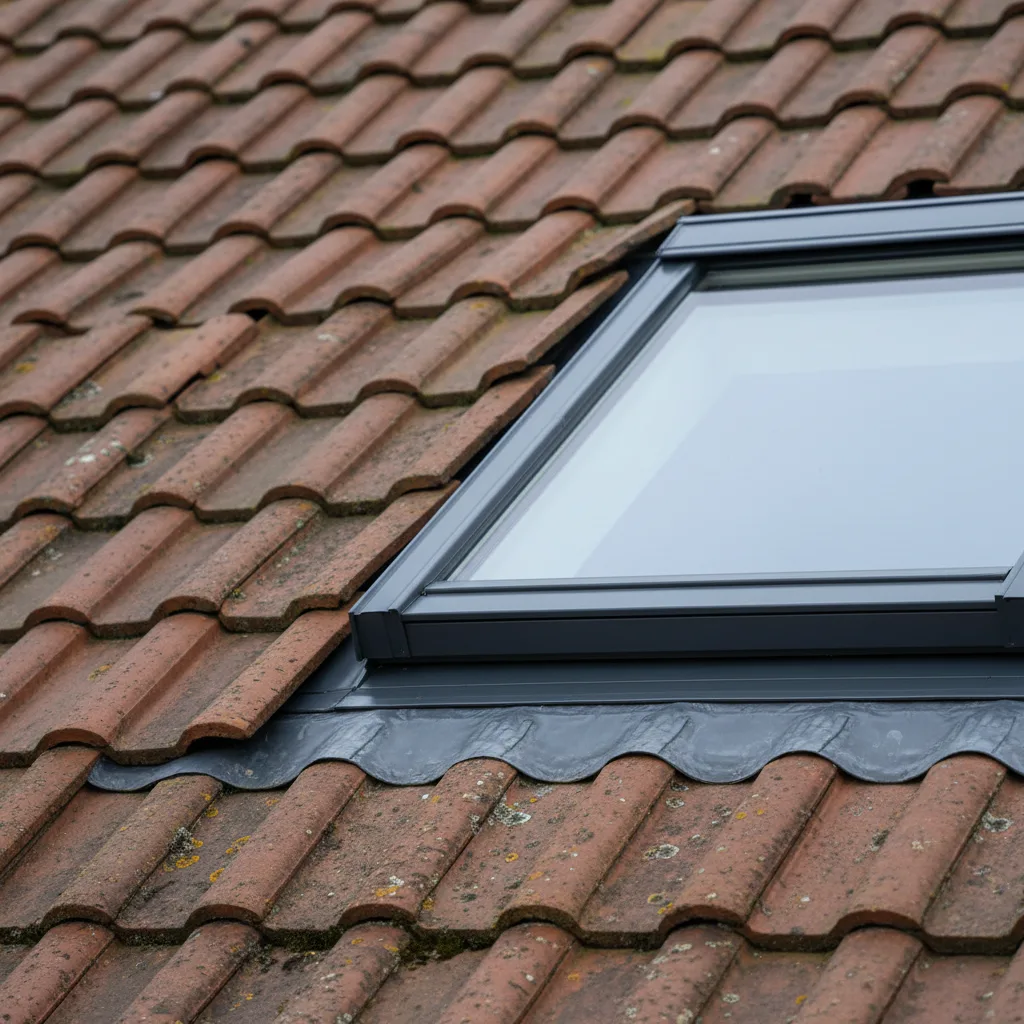
Self cleaning goes on the outermost face, exposed to weather. It has to be, because it works using daylight and rain.
Solar control goes on the inner face of the outer pane, protected inside the cavity, where it intercepts solar energy before it crosses to the inner pane.
Low emissivity goes on the cavity face of the inner pane and reflects room heat back inward.
All three can be present on one unit, which is a common specification for a south facing rooflight that is hard to reach.
How self cleaning works
Two mechanisms. A photocatalytic layer uses ultraviolet in daylight to break down organic dirt. And the surface is hydrophilic, so rain sheets across it rather than beading, lifting the loosened dirt away.
Its limits
It needs rain, so a long dry spell means dirt accumulates until the next downpour.
It needs a fall. Water has to run off. On a dead level rooflight it does much less, which is why a pitched lantern benefits more than a flat unit.
It does not handle bird mess or tree sap, which are not the kind of organic film it is designed for.
It reduces cleaning frequency rather than removing it.
Does it affect the other coatings
No. Different surfaces, different jobs. The small light transmission cost of a self cleaning layer is minor.
Where it is worth it

Anything you cannot easily reach, particularly a lantern or a rooflight on a second storey. On a single storey unit a window cleaner can reach with a pole, it is a convenience rather than a necessity.
Two coatings, two surfaces, two jobs
They are frequently discussed together and they do entirely different things, sit in different places on the unit, and are worth having in different situations.
Self cleaning is on the outer face of the outer pane, exposed to the weather. Its job is to break down organic deposits and let rain sheet off carrying them away.
Solar control is on a cavity facing surface inside the sealed unit, protected from the weather. Its job is to reflect a large proportion of incoming solar infrared while transmitting most of the visible light.
Because they occupy different surfaces they combine without conflict, and most manufacturers offer both on the same unit as a standard option.
How self cleaning glass works

Two mechanisms, and both need daylight and rain to function.
Photocatalysis. A microscopically thin titanium dioxide layer reacts with ultraviolet in daylight and progressively breaks down organic material on the surface: pollen, bird droppings, tree sap, general grime.
Hydrophilicity. The same coating makes the surface attract water rather than repel it. Rain therefore forms a sheet rather than beads, and the sheet lifts and carries away the loosened material as it runs off.
That is the whole mechanism, and the second half of it is where it succeeds or fails on a rooflight.
Why pitch decides whether it works
Sheeting requires run off. On a pitched roof window at 30 or 40 degrees, rain runs off freely and takes the loosened deposits with it. The coating performs as intended and the glass stays presentable for far longer than untreated glass.
On a near flat rooflight, water does not run. It sits as a film, evaporates, and leaves behind everything it was carrying, including the material the coating has just broken down.
So on a flat unit the photocatalytic half still works and the self cleaning half largely does not, which means you are paying for half a product.
A lantern sits between the two and comes out well: its glazed faces are pitched at 15 to 25 degrees, enough for water to run, which is one of the quieter advantages of a lantern over a flat rooflight.
Some manufacturers offer flat roof units with a built in pitch of around 5 degrees, achieved in the frame or by building the kerb higher on one side. That is enough to shed water and dirt considerably better, and it makes self cleaning glass worth specifying where it otherwise would not be.
What self cleaning glass does not do

It does not remove the need to clean, it reduces the frequency. Inorganic material, mineral deposits from hard water, and anything under a tree canopy in autumn all still need dealing with.
It does nothing at all for the inside face, which collects dust and cooking residue like any other glass.
And it needs daylight to work, so a heavily shaded rooflight benefits less. On a north facing slope, which dries more slowly and holds algae more readily, it helps less than on a sunny south facing one, which is unfortunate given north facing units are the ones that get dirtiest.
Where it earns its cost unambiguously is on a pitched unit that is genuinely hard to reach: a high level rooflight on a two storey rear slope, or a lantern over a double height space, where the alternative to a coating is a tower or a pole system.
How solar control glass works
A selective metallic coating, usually silver based, applied to one of the surfaces facing into the sealed cavity.
It reflects a large proportion of the infrared energy that carries heat while transmitting most of the visible light. That selectivity is the point: a modern coating brings the g value down from around 0.6 or 0.7 to 0.3 or 0.4 while keeping light transmission in the sixties, where an old fashioned tinted glass would have darkened the room to achieve the same reduction.
Because it sits inside the cavity it is protected, it does not degrade in weather, and it needs no maintenance. It also cannot be added later without replacing the glazing.
Specifying them together

Straightforward on any unit where both are worth having, and there is no interaction to worry about. The surfaces are different and the functions are independent.
The one honest caveat is light transmission. Solar control reduces it from around 75 to 80 percent down to 60 to 70. Self cleaning coatings have a very small effect of their own. Together the reduction is slightly more than solar control alone, and on a north facing unit that is a real cost for no benefit, because neither coating is doing anything useful there.
Where to specify what
Pitched, south or west facing, hard to reach. Both. Solar control for the heat, self cleaning because the pitch lets it work and the access makes it valuable.
Pitched, north facing. Neither. No solar gain to control, and self cleaning works less well on a slope that dries slowly. Specify for thermal performance alone and spend the saving on the insulation collar.
Flat roof rooflight. Solar control, certainly, because a horizontal pane collects the midday sun directly whichever way the house faces. Self cleaning, generally not, unless the unit has a built in pitch.
Lantern. Both, on a south or west aspect. The pitch makes self cleaning genuinely effective and lanterns are frequently over spaces where cleaning access is awkward.
Low level, easily reached, any orientation. Solar control if it faces the sun. Self cleaning is hard to justify when you can open the window and wipe it.
The cost comparison

Both are modest premiums at the point of order and both are effectively impossible to add later, because changing glazing means the same labour and access as replacing the unit.
Of the two, solar control is by a wide margin the more valuable. Overheating is the most common regret about rooflights, and there is no cheap retrofit for it beyond an external awning. A rooflight that is harder to clean than you hoped is an inconvenience; a room nobody can use in July is a problem.
If the budget only stretches to one, take solar control, and take it wherever the unit faces south or west.
Cleaning glass that has a coating
Water and a soft cloth or brush. Avoid abrasives, scouring pads and abrasive creams, all of which damage a self cleaning coating permanently.
Avoid silicone based cleaners and polishes, which leave a film that defeats the hydrophilic effect.
And avoid pressure washing at close range, which damages coatings and drives water into the perimeter seal, which is a problem well beyond the surface finish.
They sit on different surfaces and do different jobs

The surfaces of a sealed unit are numbered from outside in, and each coating has a position it has to occupy.
Self cleaning goes on the outermost surface, the one exposed to the weather. It has to be there, because its job is to interact with rain and sunlight on the outside face.
Solar control goes on a cavity face, normally the inner face of the outer pane, so it reflects incoming solar energy before it crosses the cavity. It has to be inside, because an exposed coating of that type would not survive.
Low emissivity for heat retention goes on the cavity face of the inner pane.
So all three can be present on one unit without conflict, because none of them wants the same surface.
How self cleaning actually works
Two mechanisms, and both matter.
The coating is photocatalytic: ultraviolet in daylight breaks down organic material deposited on the surface, loosening it.
And it is hydrophilic: water spreads into a sheet rather than beading, so rain runs off as a film and carries the loosened material with it rather than leaving drying droplets and their tidemarks.
What it needs to work
Daylight, which is not a problem on a rooflight.
And rain running off, which is where the pitch matters. On a steep roof window it performs well. On a shallow or horizontal unit where water sits rather than sheets away, it does considerably less, because the residue is not being carried off.
Which is one of the practical arguments for a modest slope on a flat rooflight and for a real pitch on a lantern.
What it does not do
Eliminate cleaning. It extends the interval, sometimes considerably, and a unit will still need washing occasionally.
It also does not handle inorganic deposits well: salt film near the coast, or mineral staining from run off, are not organic and the photocatalytic action does not break them down.
The one thing that destroys it
Abrasives. The coating is extremely thin and any abrasive pad or scouring cleaner removes it permanently and invisibly, so the glass simply stops self cleaning and nobody knows why.
Water, a soft cloth or brush, and mild detergent only.
Whether to specify it
Worth it on any unit that is difficult to reach, and on any pitched or lantern glazing where the run off will do its work.
Less worth it on a horizontal flat rooflight at ground floor level that can be reached with a pole in ten minutes.
More on Energy Efficient Rooflights
Ready to bring the daylight in?
Tell us about your project and we’ll send a clear, fixed written quote, no pressure, no surprises.
- Fixed written price before any work starts
- No pressure, no obligation, no sales calls
- Flexible survey times that suit you
- A reply within one working day