What glass stops solar gain?
Solar control glass, with a coating that reflects infrared before it enters. Not a tint, and not a film.
Part of our Energy Efficient Rooflights guide
Solar control glass carries a coating on the outer pane that reflects a large part of the sun’s infrared energy before it passes into the room.
How it works
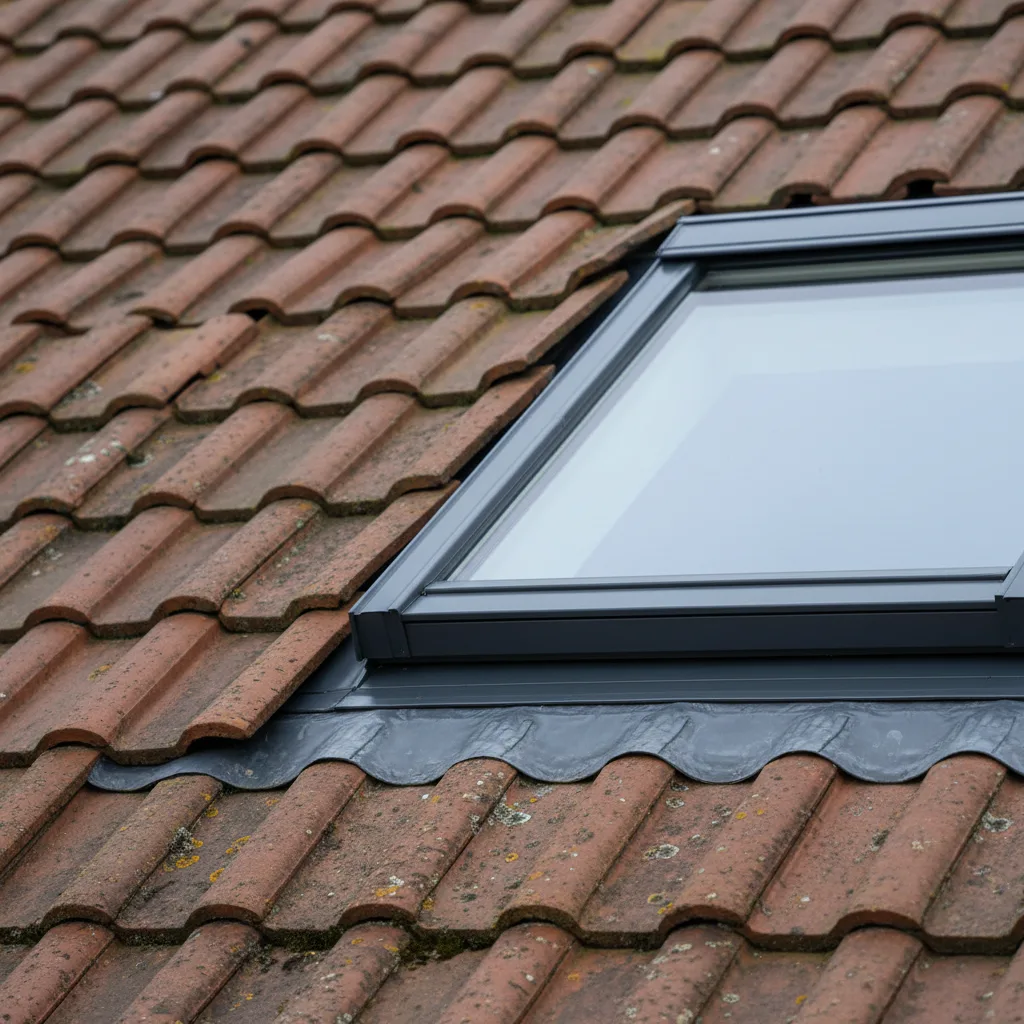
The coating is selective. It reflects infrared, which is heat, while transmitting most visible light. So you keep the daylight and lose much of the heat.
That selectivity is what separates modern solar control glass from an old fashioned tint, which simply darkened everything.
What it achieves
Takes the g-value from around 0.7 on clear glazing to 0.3 or 0.4. In a south facing kitchen that is the difference between a room that is usable on a July afternoon and one that is not.
What it costs
A modest premium at order, and a small reduction in daylight. Some products carry a very light tint, usually grey or blue-green, visible when compared side by side and not noticeable once installed.
It also blocks some winter solar gain, which is a real if smaller loss.
Combining with low emissivity
Standard. Solar control on the outer pane, low emissivity on the inner. They do different jobs at different wavelengths: one keeps summer heat out, the other keeps winter heat in.
What does not work as well

Retrofit film. Applied to existing glass. It does reduce gain, and it is a compromise: it can affect the warranty, it can cause thermal stress in toughened units, and it degrades over time. Worth considering only where replacing the glass is genuinely not an option.
Internal blinds. The energy has already passed the glass. The blind absorbs it and re-radiates it into the room.
External shading. Actually better than solar control glass, because it stops the energy before it reaches the glass at all. Rare domestically, and worth considering on a very large glazed area.
Specify it at order
The only fix afterwards is replacing the glass.
Solar control glass, and the number to ask for is the g value

Solar control glazing carries a coating, usually on one of the cavity facing surfaces, that reflects a large proportion of the infrared part of sunlight while letting most of the visible light through. It is selective rather than simply tinted, which is why a modern unit does not darken a room the way older bronze tinted glass did.
The two numbers
The g value, or solar factor, is the proportion of solar energy that gets through. A clear double glazed unit is somewhere around 0.6 to 0.7; a solar control unit might be 0.3 to 0.4. Lower is more effective at stopping heat.
Light transmission is the proportion of visible light that gets through. Clear glazing is around 75 to 80 percent; solar control around 60 to 70.
The ratio between the two is what a good product is judged on: you want the g value down and the light transmission as high as possible alongside it.
What you notice

Very little in terms of brightness, and a useful reduction in glare because the sharp edge is taken off direct sun. A faint neutral or blue grey cast to the light rather than a tint. And from outside, a slightly more reflective pane.
In summer you notice a great deal, which is the point.
The alternatives, and where they fall short
Applied films. Retrofit and cheap. They can affect the sealed unit warranty, they degrade over time, and on a rooflight they are difficult to apply well and difficult to access.
Internal blinds. Control glare and privacy; do relatively little about heat, because the sun has already entered the room.
External awnings. Genuinely effective, because they intercept the sun outside the glass. The best retrofit answer, and they need maintenance and wind protection.
Triple glazing. Improves the winter U-value modestly. Does very little about solar gain.
Where to specify it

South and west facing units of any size. Any near horizontal flat rooflight or lantern, because a horizontal pane has no orientation to shelter behind. Any glazed extension on a modern airtight house.
Not on north facing units, where there is no direct sun and the light transmission penalty is all cost and no benefit.
When to decide
At order. It costs a modest premium then and a great deal afterwards, because the labour and access to change the glazing are the same as replacing the unit.
The number to ask for

The g value, sometimes called the solar factor. It expresses the proportion of solar energy that gets through the glass, so a lower g value means less heat entering the room.
It is a different number from the U value, which describes heat loss. A unit can be excellent at keeping warmth in and still let a great deal of summer heat through, and on a rooflight those two properties pull in different directions.
How solar control glass works
A coating on one of the internal faces of the sealed unit reflects and absorbs part of the solar spectrum, particularly in the near infrared, while passing more of the visible light.
That selectivity is the point. A crude tint reduces heat and light equally. A good solar control coating reduces heat considerably more than it reduces light.
It is not free of visual effect. Solar control glass usually has a slight tint, most noticeable looking through it at a white cloud, and some products give a faint colour cast to the light entering the room. Worth seeing a sample rather than reading a specification.
Where it earns its place

Any horizontal rooflight or lantern, which faces the full summer sun. Any south or west facing pitched roof window. Any room that already has a lot of glazing at low level.
What works better still
Stopping the sun before it reaches the glass. An external awning blind is far more effective than any internal blind or coating, because energy blocked outside never enters the building at all.
And ventilation at the top of the room, which removes the heat that does get in rather than trying to prevent all of it.
More on Energy Efficient Rooflights
Ready to bring the daylight in?
Tell us about your project and we’ll send a clear, fixed written quote, no pressure, no surprises.
- Fixed written price before any work starts
- No pressure, no obligation, no sales calls
- Flexible survey times that suit you
- A reply within one working day