Flush glazed against domed flat rooflights
Glass against polycarbonate, and a clear recommendation about which belongs on a house.
Part of our Flat Roof Rooflight Installation guide
Two quite different products that both get called a flat roof rooflight.
Flush glazed
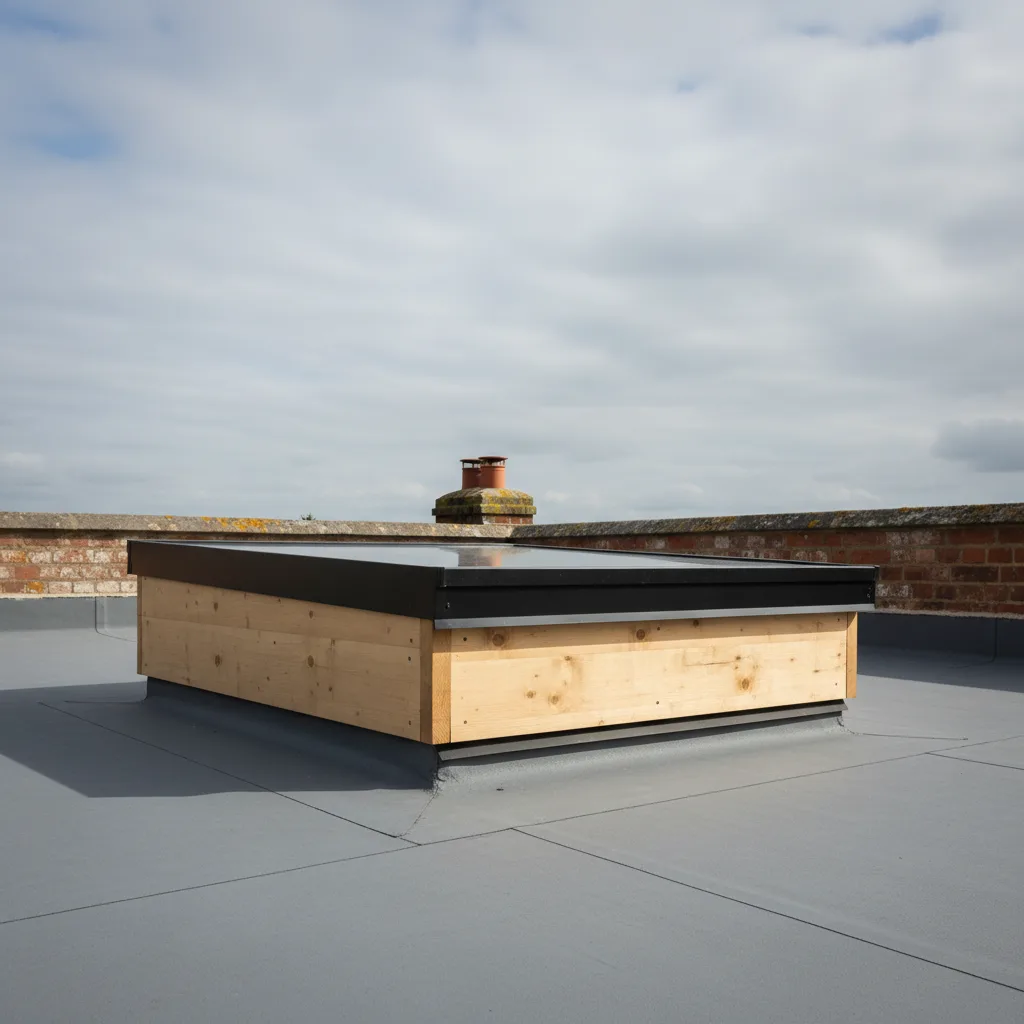
Flat glass in a slim frame, sitting just proud of the kerb. Usually a double glazed sealed unit with toughened outer and laminated inner, low emissivity coating and often solar control.
It looks contemporary and largely disappears from inside, leaving a clean rectangle of sky. It performs like a good window. It is heavier and more expensive.
Domed polycarbonate
A moulded plastic dome, single, double or triple skinned, on a plastic or aluminium kerb.
It is much cheaper and much lighter. The dome shape sheds water and debris by geometry rather than by fall, which is genuinely useful on a roof with poor drainage. The multiwall structure diffuses light rather than transmitting a view.
The honest comparison
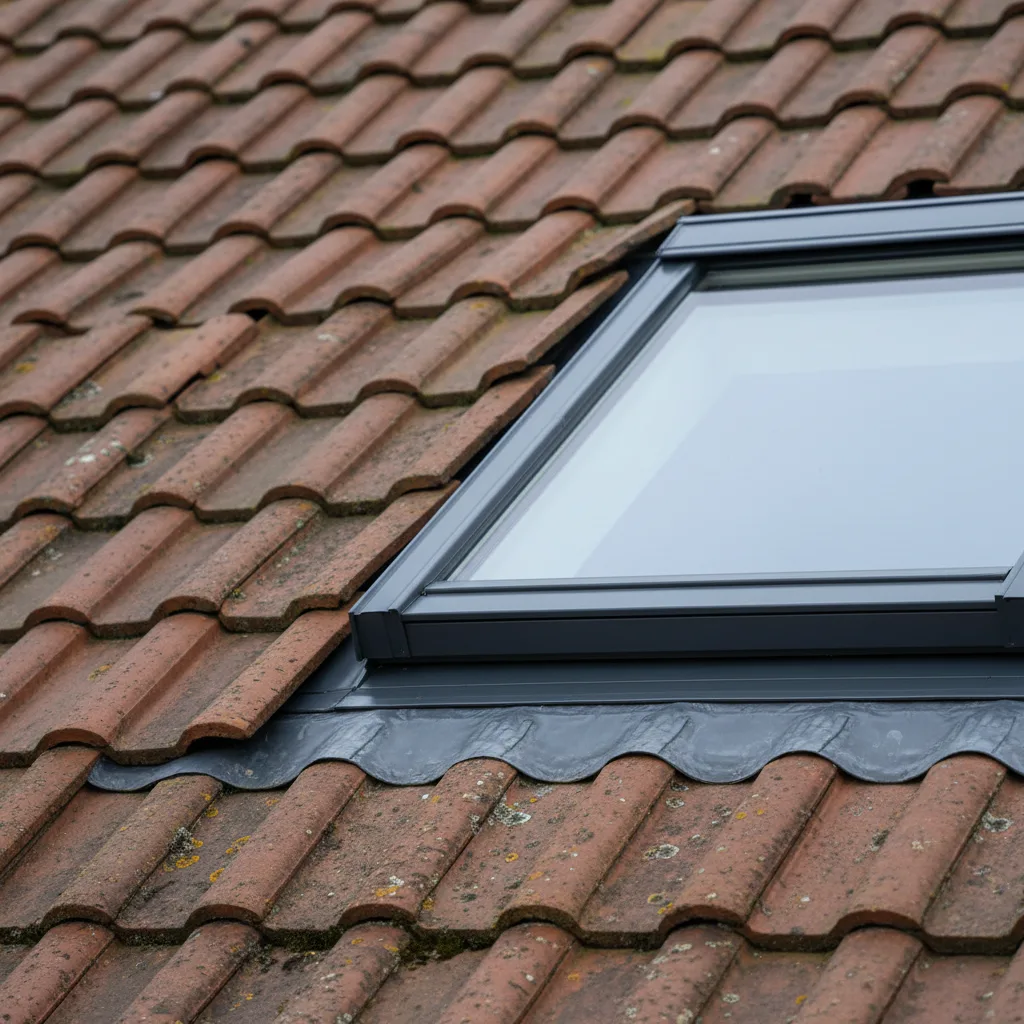
Appearance. Glass gives a view of the sky. Polycarbonate gives light without a view, and from outside a dome reads as a utility fitting.
Longevity. Polycarbonate yellows and crazes under UV. Ten to fifteen years is typical before it looks obviously aged. Glass does not change.
Thermal. A good triple wall polycarbonate is respectable, but a modern glazed unit is better and does not degrade.
Noise. Polycarbonate drums in rain. Glass, particularly with a laminated pane, is markedly quieter.
Cost. Polycarbonate is a fraction of the price, and on a large opening that is a real difference rather than a marginal one.
Our position
We fit glazed units on houses and we do not fit polycarbonate domes on them. That is a positioning decision rather than a technical one: the craft-led end of this trade is not where a product that visibly ages in ten years belongs.
On a garage, a workshop or an outbuilding, a dome is a sensible, economical answer and there is nothing wrong with it. We will say so rather than sell you glass you do not need.
Two shapes, and the difference is not only appearance
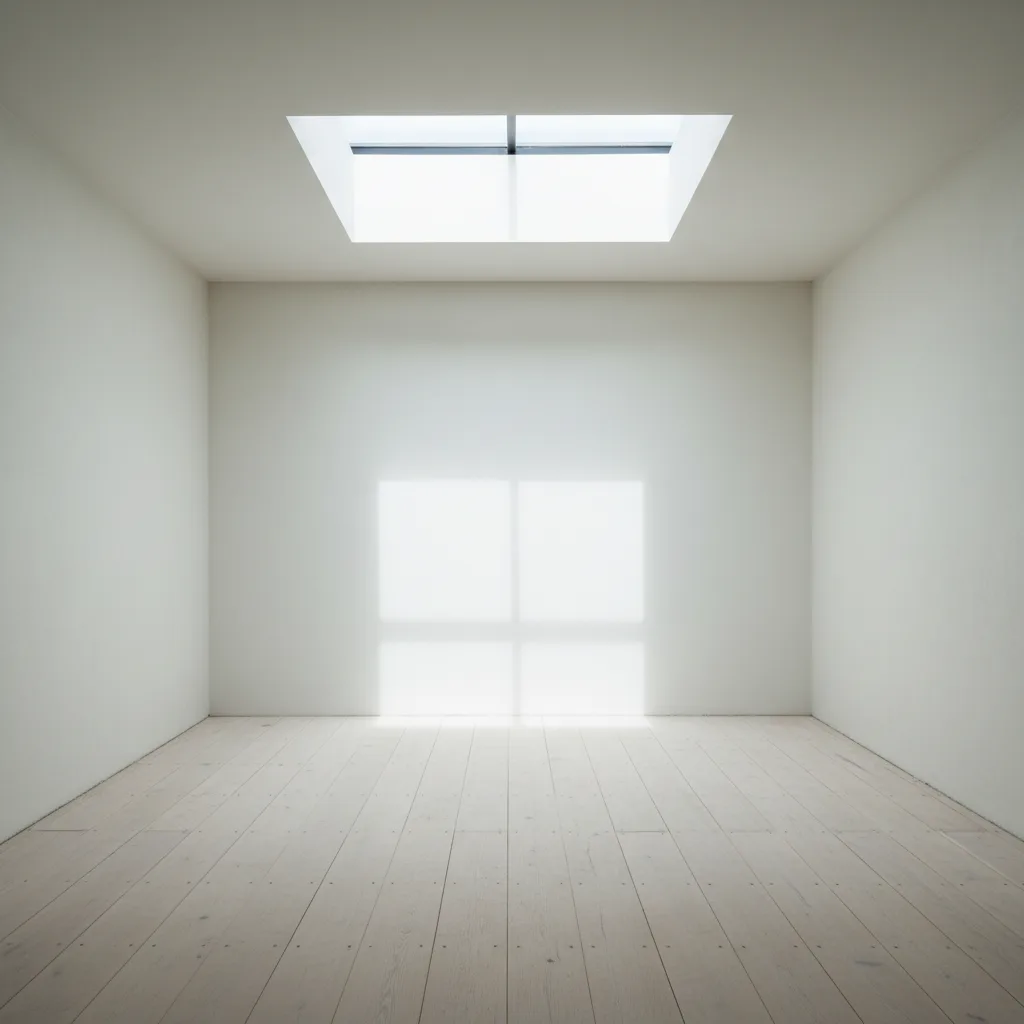
A domed rooflight is a moulded polycarbonate or acrylic dome standing above a kerb. A flush glazed unit is a flat or near flat glazed panel sitting low on a kerb, with a slim frame.
They came from different eras and they behave differently in almost every respect that matters, and the honest summary is that for most domestic situations the flush glazed unit is now the better product.
Appearance
The most visible difference and the reason a great many people start this conversation.
A dome stands proud of the roof and reads as a bubble. On a flat roof seen from an upper window, which is how most people see their own extension roof, it is the dominant object.
A flush glazed unit sits low and reads as a panel in the roof rather than an object on it. Where a house has more than one, a run of flush units looks deliberate where a row of domes looks like plumbing.
From inside the difference is equally marked. Multiwall polycarbonate diffuses heavily, giving a milky, shadowless light with no view at all. Glass gives you the sky, moving cloud and weather. On a kitchen extension that is a bigger change than any specification number suggests.
Degradation, which decides the long term

Polycarbonate degrades under ultraviolet. It yellows, it hazes, it becomes brittle, and it loses impact resistance progressively over fifteen or twenty years.
Glass does not. A flush glazed unit in twenty years looks as it did on day one, apart from cleaning.
The brittleness matters more than the appearance. An aged dome looks essentially the same the day before it fails as the day it was fitted, which is why falls through fragile rooflights are a recognised cause of serious injury in roof work and why guidance treats older rooflights as fragile unless there is evidence otherwise.
If anybody clears your gutters or services anything on that roof, an ageing dome is a genuine hazard rather than an aesthetic complaint.
| Flush glazed flat glass | Domed polycarbonate | |
|---|---|---|
| Appearance from inside | Clear glass, undistorted view of the sky | Diffused, no real view through it |
| Appearance from outside | Nearly flat, reads as part of the roof | Visibly raised dome |
| Self-drainage | Needs a slight fall built into the frame, or it holds water and dirt | Sheds by its own curvature |
| Thermal performance | Better. Sealed glass units with low-emissivity coatings | Weaker, particularly on twin-wall polycarbonate |
| Noise in heavy rain | Quieter | Noticeably louder |
| Where it belongs | Habitable rooms, kitchens, anywhere the view matters | Garages, outbuildings, and where cost leads |
Thermal performance
A twenty five year old triplewall polycarbonate dome typically has a whole unit U-value of 3.0 or worse: no low emissivity coating, no argon, and no meaningful edge detail.
A modern flush glazed unit lands at 1.2 to 1.4 with a low emissivity coating, argon fill and a warm edge spacer.
That is not a marginal improvement. It is a different order of performance, and it is why a room feels different immediately after a dome is replaced rather than eventually.
Modern polycarbonate domes are better than the old ones, with more wall layers and improved edge sealing, and they still do not reach what a good glazed unit achieves.
Water, and the one place domes win

A dome sheds water. Its shape means rain runs off in every direction, and it does not hold a film.
A truly flat glazed unit holds a film and, after heavy rain, small pools. That water evaporates and leaves behind everything it was carrying, which is why flat units get dirtier than pitched ones and why self cleaning glass does very little on them.
The answer is a flush unit with a built in pitch, typically around 5 degrees, achieved in the frame or by building the kerb higher on one side. It sheds water and dirt considerably better and it looks almost identical from the ground.
The trade is that a pitched unit collects slightly more direct midday sun, which argues for solar control glass on a south facing installation. That is worth having on a substantial flat rooflight anyway.
Security
Old polycarbonate, sometimes simply screwed down or held by clips, is genuinely the easiest way into many domestic flat roofs.
A modern glazed unit with a laminated inner pane, mechanically fixed to a kerb, is a considerably harder proposition. Laminated glass cracks and stays in place rather than breaking out, so getting through it is slow, loud and visible.
Specification options

The other quiet advantage of glass, and one people do not think about until they need it.
Solar control, acoustic laminate, obscure glazing, self cleaning coatings, a laminated inner pane, and an opening version with a rain sensor are all available on flush glazed units.
A dome is a dome. Some are available in opal or tinted variants and the range of genuine performance options is narrow.
On a south or west facing extension, solar control glass is close to essential and it is not something a dome can offer.
Where a dome still makes sense
Worth stating rather than dismissing.
Cost. A polycarbonate dome is cheaper, and on an outbuilding, a workshop, a garage or a store where appearance and thermal performance genuinely do not matter, it may be the right answer.
Weight. Considerably lighter, which on a lightly built structure with a questionable deck is a real consideration.
Very shallow or no fall. A dome copes with standing water better than a flat panel, and where a roof cannot be corrected it has an argument. Correcting the fall is the better answer, and it is not always available.
Impact. Polycarbonate is tough against falling objects, which on a roof under trees is worth something.
Replacing a dome with flush glazing

Rarely a simple swap, and the reason is the kerb.
Many older domes sit on a low upstand or straight on the deck. Modern flush glazed units are designed for a kerb at least 150mm above the finished roof surface, and that height is what keeps the perimeter seal clear of standing water.
So a typical replacement involves forming or raising the kerb, correcting the fall on the deck around it, insulating the outer face of the kerb, dressing the covering up it and terminating it properly, and then setting the new unit.
A day or two rather than a project, and it is the part that decides whether the new unit lasts twenty five years or repeats the history of the old one.
Dome sizes and modern rooflight sizes come from different traditions, so the replacement is rarely a size match. Since the kerb is being adapted anyway, there is latitude, and that is worth using: two modest units where there was one dome frequently light a long room far better.
What we would recommend
On any habitable room: flush glazed, with a built in pitch if the roof has minimal fall, solar control glass where it faces the sun, non fragile as a baseline, and a properly insulated kerb.
On a garage, workshop or store: a dome is defensible, and non fragile still matters if anybody will ever be on that roof.
The two forms

Flush glazed. A flat or gently pitched glass unit sitting on a kerb, presenting a clean plane. The contemporary default, and what most people picture when they ask for a flat rooflight.
Domed. A curved polycarbonate or acrylic top, frequently double or triple skinned, on the same kerb arrangement. The traditional flat roof rooflight, still widely used on commercial and utility buildings.
Where the domed unit still wins
Shedding. A dome sheds water and debris from every point on its surface. A flat pane, if it is truly horizontal, holds water, and over years the deposits left behind dull the surface permanently.
Impact. Polycarbonate is extremely tough and does not shatter. On a garage, a workshop or an exposed position where something might land on it, that is a real advantage.
Cost. Substantially cheaper, particularly at larger sizes.
Diffusion. An opal dome spreads light evenly across the space below rather than throwing a defined pool, which suits a workshop or a store.
Where the flush glazed unit wins
Appearance. A clean plane in a flat roof reads as architecture. A dome reads as a service element, and on a domestic extension that difference is why people pay more.
Clarity. Glass stays clear. Polycarbonate and acrylic yellow and craze with ultraviolet exposure over time, and there is no remedy for it.
Thermal performance. A properly specified glass unit with a warm edge spacer, low emissivity coating and gas fill outperforms a multiwall plastic dome comfortably.
Solar control. Available on glass, and the g value can be specified. Options on domes are cruder.
Acoustics. Rain on a plastic dome is markedly noisier than on laminated glass, and there is no acoustic laminate option.
The slope point, which applies to both
A flush glazed unit should still have a modest pitch, either built into the kerb or into the unit itself, so water runs rather than sits.
That is what keeps the glass clear, and it is what allows a self cleaning coating to work at all, since the coating relies on rain sheeting off to carry deposits away.
Choosing
Over a habitable room in a house: flush glazed, pitched slightly, well specified.
Over a garage, a workshop, a store or a covered passage: a domed unit is honest, durable and considerably cheaper, and nobody is looking at it.
More on Flat Roof Rooflight Installation
Ready to bring the daylight in?
Tell us about your project and we’ll send a clear, fixed written quote, no pressure, no surprises.
- Fixed written price before any work starts
- No pressure, no obligation, no sales calls
- Flexible survey times that suit you
- A reply within one working day