Integra, solar and manual compared
Three ways to open the same window, and the wiring is what decides between them.
Part of our VELUX Window Installation guide
The same window is available three ways, and the right answer depends almost entirely on whether a cable can reach it.
Manual
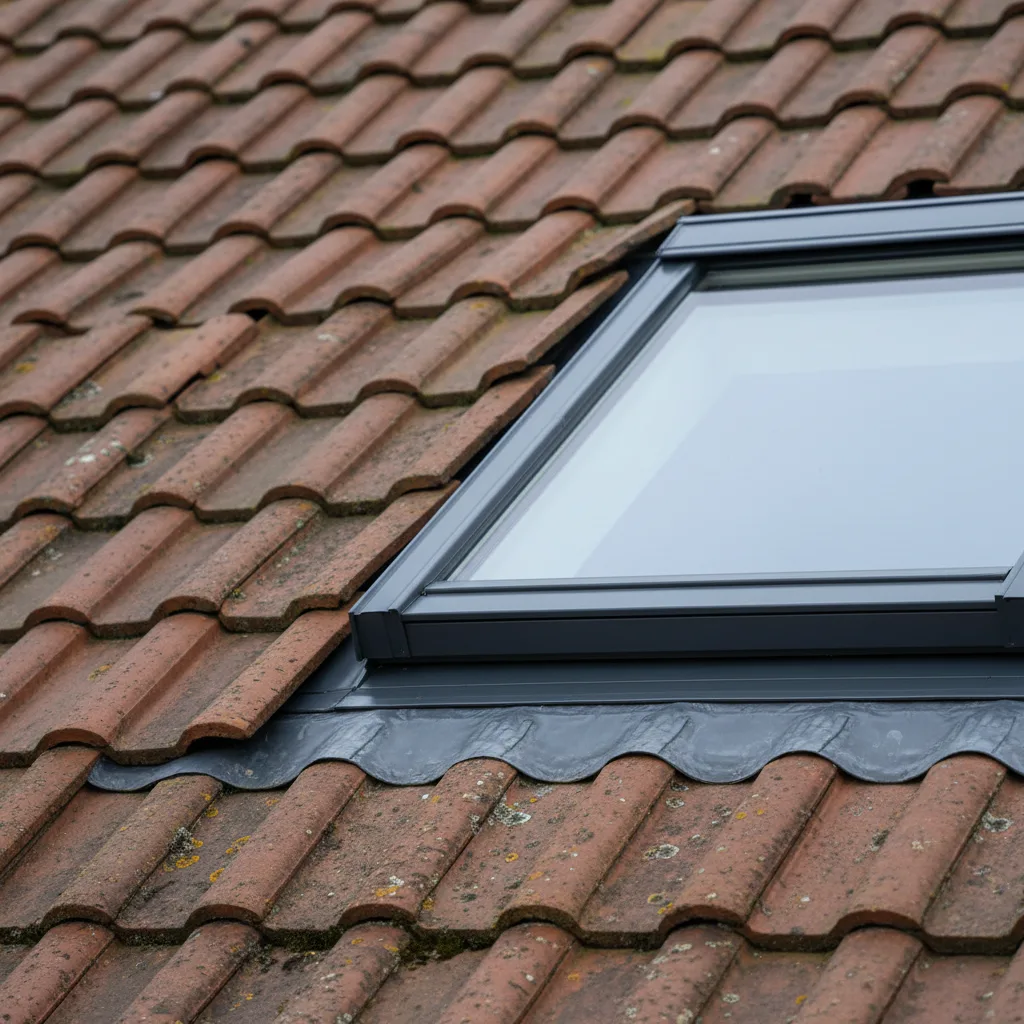
A handle, or a pole for a window out of reach. Cheapest, nothing to fail, no power needed.
The honest limitation: a window that needs a pole is a window that mostly stays shut. If it is above comfortable reach, manual is a false economy.
Mains electric
A motor in the frame, mains powered, with a remote and optionally a wall switch and rain sensor. Fastest operation, and it can be integrated with other controls.
It needs a cable at the window. During a loft conversion that is trivial, done at first fix before the plasterboard. After the room is finished it means lifting boards, chasing and making good, and the wiring frequently costs more than the upgrade from manual would have.
Solar
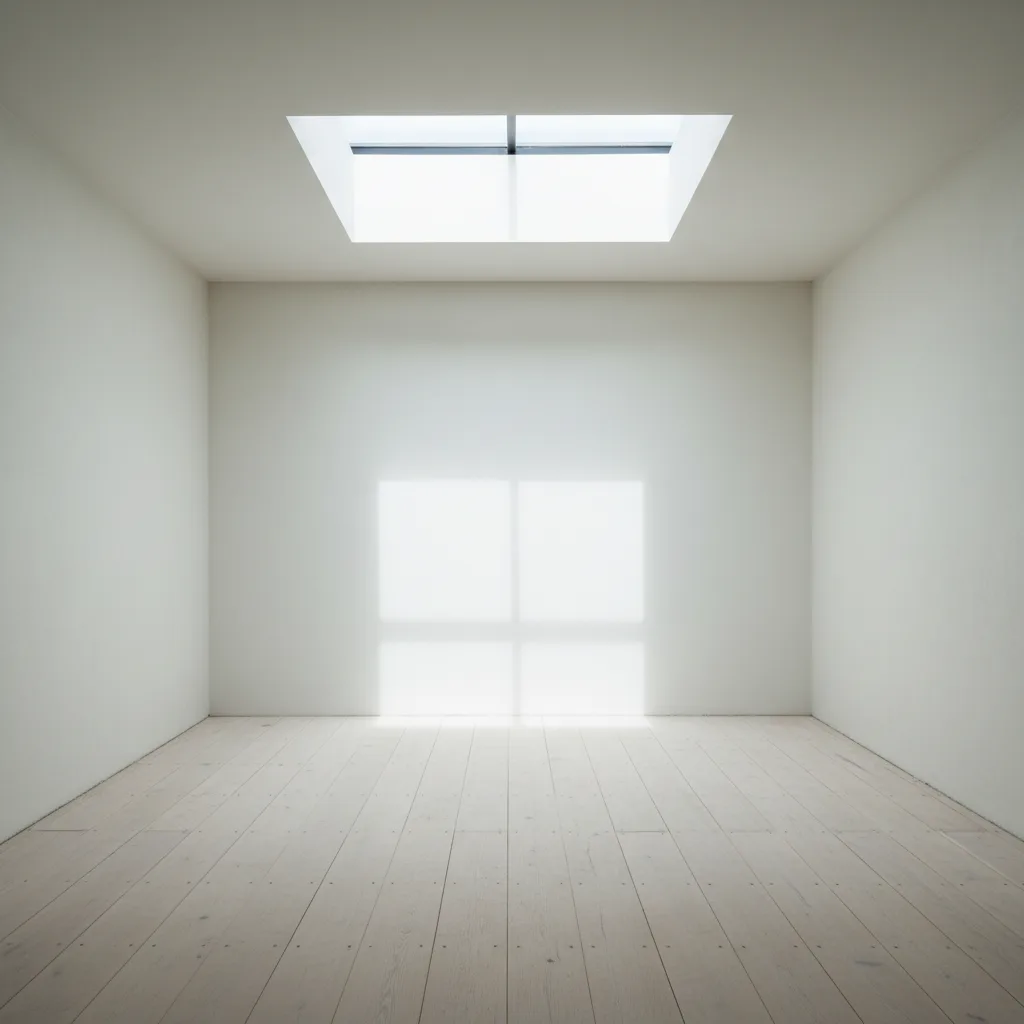
A small photovoltaic panel on the outside of the sash charges a battery in the frame. No wiring at all.
That makes it the usual answer for retrofitting an opener to a window already in place, and for any position where running a cable is disruptive.
It opens more slowly than mains, and it costs more than manual. It works perfectly well in this country, including on a north facing slope, because the panel needs daylight rather than direct sun. Battery life is measured in years and the battery is replaceable.
Choosing
Within reach, straightforward room: manual.
New conversion, cable easy: mains electric, and run the cable at first fix even if you fit manual for now.
Existing finished room, window above reach: solar.
Bathroom or kitchen where humidity needs shifting: powered of some kind, with a rain sensor.
Retrofitting later

Manual windows of the right model can often be converted with a kit rather than replaced. Whether yours can depends on the model and generation, which the code on the data plate will tell us.
Three ways to open the same window
Most roof window ranges offer the same unit in three forms: manual, mains powered and solar powered. The glazing, the frame, the flashing and the weathering are identical. What differs is how the sash moves and how that movement is powered.
The right answer depends almost entirely on two things: how high the window is, and whether the room is finished.
Manual operation in detail

A handle, usually at the top of the sash, operated by hand or with a pole.
Cheapest, by a clear margin, and with nothing to go wrong. No actuator to replace at ten to fifteen years, no battery, no control unit, no cable.
Perfectly good up to about two and a half metres to the handle. In a loft room where you can reach it standing up, manual is the sensible answer and a motor is hard to justify.
Above that it stops being used. A pole lives in a cupboard, it has to be fetched, engaging it with the handle is fiddly and on a windy day closing the window with it is genuinely difficult. Within a year the window stays shut.
A window that is never opened does not ventilate, and a room that is never ventilated gets condensation. That is the real cost of choosing manual for a high window, and it arrives as a complaint about the glazing.
Mains powered
A chain actuator driven from the household supply, through a control unit, with a wall switch and a handheld remote.
Fastest in operation: fifteen to thirty seconds to open, against thirty to sixty for solar.
Allows a hard wired wall switch, which is the control that actually gets used. A remote is permanently in another room; a switch beside the light switches at the room entrance is always in the same place and anyone can use it without being shown.
Groups cleanly. Several windows on one control unit, operated together, configured at the unit rather than at the window so it can be changed later.
The cost is the cable, not the motor. At first fix during a build or a conversion, a cable to the rooflight position is a few metres clipped to a joist: twenty minutes and almost no cost.
Into a finished room, the same cable means lifting flooring above or ceiling below, chasing a wall for the switch drop, making good and redecorating, plus an electrician and certification. A day and a half plus decoration, frequently several times the price of the motor.
It stops in a power cut. The chain actuator holds its position mechanically, so nothing moves, and the rain sensor is out too. That is the scenario the manual override exists for.
Solar powered

The same actuator run from a photovoltaic panel and a rechargeable battery integrated into the unit. No connection to anything.
No cable, no control unit, no electrician, no making good. Fitting is a couple of hours with no disruption below.
That single fact makes it the sensible answer for almost any retrofit into a finished room, and for period and listed property where running cable through historic fabric is disruptive and sometimes itself restricted.
It works better than people expect. The panel needs daylight rather than direct sun, so it functions on a north facing slope and through an English winter. The energy to open a window a few times a day is small, and the battery buffers the difference between a bright week and a dull one.
Slower: thirty to sixty seconds. In use nobody notices.
Unaffected by a mains power cut, which mains units are not. On a rural property with an unreliable supply that is a genuine advantage.
The battery is a consumable, good for several years and replaceable. It does not fail suddenly: the unit becomes slower to respond and less able to cope with a run of dull days, which is clear enough warning.
A wireless wall switch achieves most of what a hard wired one does, and it has a battery in it.
The feature that matters more than the power source
The rain sensor, on either powered version.
A window you have to remember to close before rain is a window you leave shut. A window that closes itself is a window you leave open, and that changes how a room behaves through a summer.
It is what makes night purge possible: open it late, let the day’s accumulated heat leave the building overnight, close it in the morning. With a rain sensor that happens without anybody thinking about it.
We include one as standard on any motorised unit rather than as an option, because the unit costs very little more with one and it is the whole point of having a motor.
How to choose

Low enough to reach, existing room: manual. Cheapest, nothing to maintain, and it will actually be used.
High, existing finished room: solar. The cable route is the cost, and solar removes it.
High, during a build or conversion: mains. The cable is trivial at first fix, operation is faster, and you get a hard wired wall switch.
Several units to be grouped, during a build: mains, because the cabling is being done anyway and grouping is cleaner.
Listed or period property: solar, almost always.
The compromise that covers you
Fit manual now, and run a capped cable to the position at first fix.
It costs almost nothing then, it is terminated in an accessible enclosure, and it covers a future motor, a future blind and a future rain sensor. Photograph where it is before the ceiling closes, because nobody will find it again by guesswork.
The single most common regret in this trade is saving the electric premium during a build and wanting a motor two years later.
Converting later

Most manufacturers make retrofit kits that add an actuator to an existing manual window without replacing it. Whether one exists depends on the model and its age, and the data plate tells us in one step.
Where a kit exists, fitting takes a couple of hours and nothing on the roof is disturbed. The question is again power, and again solar is usually the answer in a finished room.
Where no kit exists and the unit is over twenty years old, the sealed unit is approaching the end of its life anyway. Fitting a motor to a window you will replace within a few years is spending money on the wrong component.
The three ways a roof window opens
Manual, operated by hand at the control bar, or by a pole where the window is out of reach. Cheapest, nothing to power, nothing to fail, and no maintenance beyond the window itself.
Solar, with a small photovoltaic panel on the outside of the unit charging a battery, and a remote handset. No wiring at all.
Mains powered, with a fixed electrical supply to an actuator, a wall switch or controller, and usually a rain sensor.
Where each one belongs

Manual is right where the window is within comfortable reach and somebody will actually open it. Buying a motor for a window you can touch is buying a maintenance item you did not need.
A pole operated manual window in a stairwell is a reasonable arrangement provided the pole lives somewhere sensible rather than in a cupboard downstairs.
Solar is the retrofit answer, and it is the answer for a very high proportion of existing installations. In a finished room, getting a cable to a rooflight means surface trunking or opening up the ceiling and reveal.
It is also the answer on a listed building where routing a cable through historic fabric may itself need consent.
Mains is right on new work where the roof is open and the cable costs almost nothing, and particularly where several units will be grouped on one control or where a blind will share the supply.
How well solar actually works
Better than people expect. The panel charges from daylight rather than direct sun, and the battery only supplies short bursts, so a British winter does not defeat it.
Operation is slower than mains, which nobody minds after a week.
The limitations are a battery with a service life of a few years, and a panel that needs to stay reasonably clean and not permanently shaded by a chimney or a tree.
The recommendation that covers most cases
On new work, run the cable even if you fit a manual window. It costs very little while the ceiling is open, and it keeps the mains conversion available for the next thirty years.
On a retrofit, solar, unless a cable route already exists.
And on any powered unit, a rain sensor, because that is the function that stops the rooflight being open when the downpour arrives at two in the afternoon.
Running the cable regardless
On new work, run a capped and labelled cable to the rooflight position even if you fit a manual or solar unit.
It costs very little while the ceiling is open and it keeps the mains option available for thirty years. Record its position with the house paperwork, because an unlabelled cable in a void is a mystery rather than a provision.
More on VELUX Window Installation
Ready to bring the daylight in?
Tell us about your project and we’ll send a clear, fixed written quote, no pressure, no surprises.
- Fixed written price before any work starts
- No pressure, no obligation, no sales calls
- Flexible survey times that suit you
- A reply within one working day