Solar gain, overheating and shading
The problem that is getting worse, and the order in which to solve it.
Part of our Energy Efficient Rooflights guide
Overheating is now a regulated concern in new dwellings, not just a comfort preference, and overhead glazing is the largest single contributor in most extensions.
Why overhead is the worst case
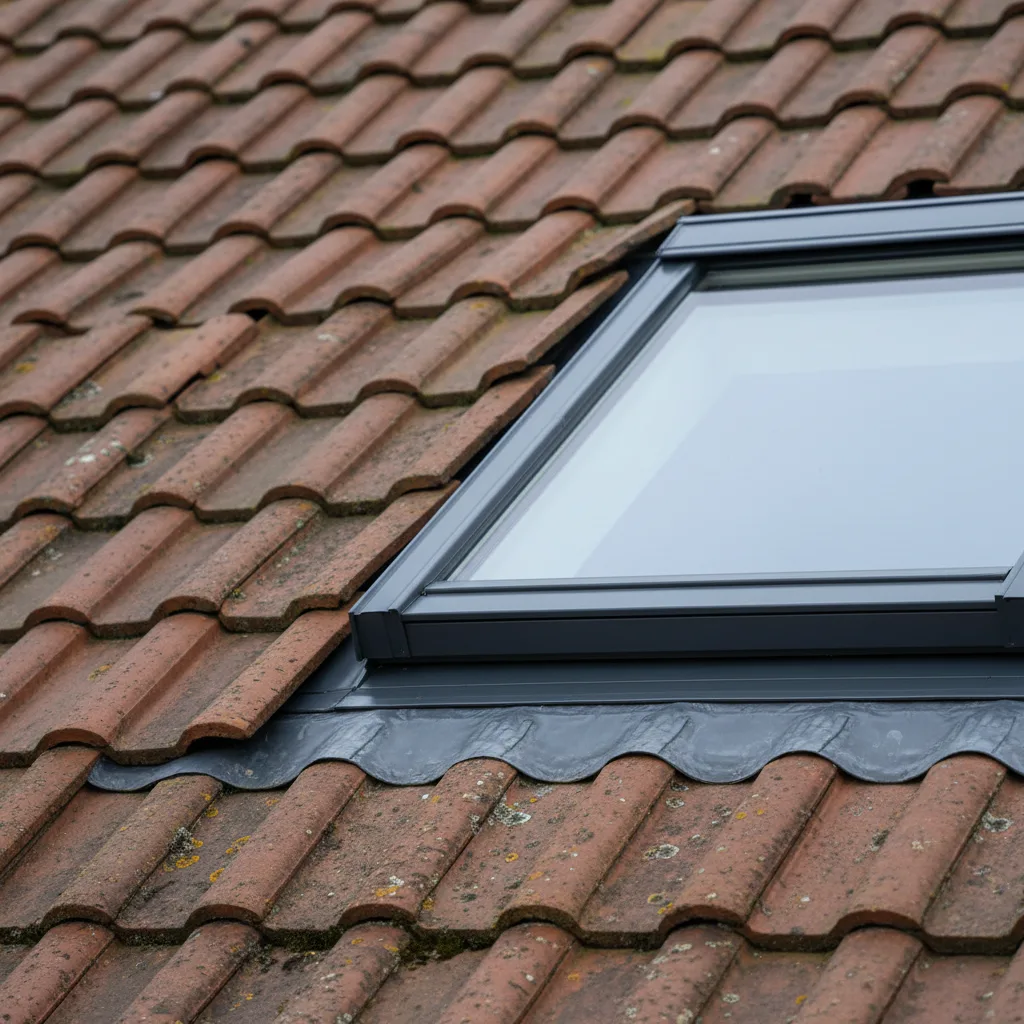
In summer the sun is high and shines almost straight down. A vertical window catches that obliquely; a rooflight catches it nearly square on.
The same geometry works in your favour in winter, when the low sun barely reaches horizontal glazing but strikes a vertical window well. So overhead glass gives you gain when you least want it and least when you most do.
The hierarchy of solutions
1. Stop it outside the glass. External shading is the most effective thing there is, because the energy never reaches the glass. Awnings, external blinds, or a deliberate overhang. Uncommon domestically and worth considering on very large areas.
2. Stop it at the glass. Solar control coating on the outer pane, taking the g-value from around 0.7 to 0.3 or 0.4. This is the practical answer for almost every domestic rooflight facing south or west.
3. Remove the heat that gets in. An opening vent at the highest point of the room, using stack effect. Very effective and it works on a still day.
4. Absorb it. Thermal mass, a solid floor or masonry, evens out the peaks. A design consideration rather than a retrofit.
What is not on the list
Internal blinds. The energy has already passed the glass and the blind re-radiates it into the room. They are for glare, privacy and blackout.
Getting the order right
Specify the glass first, because it cannot be changed afterwards without replacing it. Add the vent, which is far cheaper at first fix. Consider shading only if the area is very large.
The complaint people actually have

Ask anyone what is wrong with their rooflight and the answer is far more often that the room is unbearable in July than that it is cold in January. Overheating is the most common regret about rooflights and it is almost entirely preventable at the point of order.
It is also the problem most often addressed with the wrong tool, because the instinctive answer is a blind and a blind is the least effective of the available measures.
Why a rooflight gains more than a wall window
Geometry. A vertical window sees the sun at a shallow angle for part of the day, and in high summer the sun is above it for the hours when it is strongest.
A rooflight faces the sky. Through the middle of a summer day, when the sun is high and the radiation is most intense, a pitched rooflight is presenting itself close to square on. A near horizontal flat roof rooflight or lantern is presenting itself exactly square on, and it has no orientation to shelter behind at all.
The same area of glass therefore admits considerably more solar energy in a roof than in a wall, at precisely the time of year when you least want it.
The number that governs it

The g value, or solar factor: the proportion of solar energy striking the glazing that ends up inside the room, on a scale from 0 to 1.
A clear double glazed rooflight is around 0.6 to 0.7. A solar control unit is 0.3 to 0.4. That difference is the whole of what solar control glazing does, and on a two square metre south facing unit it is the difference between a room that is warm and one that is unusable.
It is a different number from the U-value, which measures heat escaping and matters in winter. The two are frequently confused, and triple glazing improves the U-value while doing very little to the g value, which is why it is not the answer to an overheating room.
The three measures that work, in order
1. Solar control glass. A selective coating, usually on one of the cavity facing surfaces, that reflects a large proportion of the infrared energy carrying heat while transmitting most of the visible light.
It works permanently, needs no maintenance, cannot break, has nothing to remember to operate, and stops the heat at the glass rather than after it has entered the room. That last point is why it beats any internal blind.
Light transmission falls from around 75 to 80 percent down to 60 to 70. In the room you notice very little difference in brightness and a useful reduction in glare, because the sharp edge is taken off direct sun.
It costs a modest premium at the point of order and a great deal afterwards, because the labour and access to change glazing are the same as replacing the unit.
2. An opening at the highest point. Glass specification reduces how much heat arrives. It does nothing about heat already in the room, and that is what a vent is for.
Warm air rises. An opening at the top of a room lets it leave, and as it goes it draws cooler air in through anything open lower down. That is stack ventilation and it clears a room in minutes where a wall window alone takes hours. It only works if something at low level is open as well: a rooflight on its own in a sealed room moves very little air.
The useful version is night purge. Open it late, let the heat accumulated through the day leave the building overnight, close it in the morning before the outside air warms up. On a motorised unit with a rain sensor that happens without anybody thinking about it, and that is the real argument for a motor over a pole.
3. External shading. An awning fitted over the outside of the glass intercepts the sun before it reaches the pane, stopping the great majority of solar gain.
It is the most effective retrofit measure where glazing is already in, and it is the answer for an existing rooflight that overheats. It needs to be robust and properly fixed, and on an exposed site it should retract automatically in high wind.
Why internal blinds do not solve it

By the time an internal blind stops the sun, the energy has already passed through the glass and is inside the room. The blind absorbs it and re radiates much of it back into the space.
An internal blackout blind is excellent for controlling light and privacy, and in a bedroom it is exactly the right product. As a measure against heat it is roughly a third as effective as an external awning, and it is not a substitute for getting the glass right.
Where somebody has fitted internal blinds to an overheating south facing rooflight and found it made little difference, this is why.
The decision that avoids the problem entirely
Keep the glazed area sensible. Around 15 to 20 percent of floor area gives a bright room without turning it into a greenhouse.
Doubling the glazed area doubles the solar gain. The common mistake on an extension is specifying the largest lantern or the largest rooflight the roof will take, and on a south or west facing extension that decision alone can produce a room nobody uses in summer.
More moderate glazing with better glass, plus an opening at the highest point, gives a better room than more glass does.
Orientation, which decides where to spend

South: most sun, through the middle of the day. Solar control not optional.
West: frequently worse in practice, because low afternoon sun penetrates further into a room and arrives when the building has already been warming for hours. Low angle sun is also where internal blinds struggle most.
East: shorter, cooler morning gain. Fine over a kitchen. Over a bedroom the issue is early light rather than heat, and the answer is a blackout blind.
North: no direct sun at all. Do not fit solar control glass; it makes a good room slightly darker and delivers nothing.
Flat and near horizontal: treat as south facing whichever way the house faces, because there is no aspect to shelter behind.
Part O, and where it applies
Since June 2022 there has been a separate part of the Building Regulations dealing with overheating in new dwellings, introduced because the previous generation of highly insulated, highly glazed homes turned out to be uncomfortable in summer.
It applies to new dwellings, including new flats and some material change of use conversions. It does not apply to an extension to an existing house, which is where most rooflight work sits, and it does not apply to replacing a rooflight in an existing roof.
Two routes to compliance. The simplified method limits glazing area by orientation and requires a minimum free opening area for purging heat. The dynamic thermal modelling route simulates the building through a design summer, which allows more glazing at the cost of a modelling exercise.
What catches people is that the simplified route limits area by orientation, so a design with a lot of south or west facing rooflights can fail it outright regardless of how good the glass is. Solar control glazing helps the modelled route considerably; it does not exempt you from the area limits.
The physics is the same whether or not the regulation applies. A south facing glazed extension will overheat whether or not anybody is required to calculate it.
Fixing a rooflight that already overheats

In order of cost.
Add an external awning, which is the most effective retrofit and needs no work to the roof.
Add an opening vent if the installation has none, or motorise an existing manual unit so it actually gets used, ideally with a rain sensor so it can be left open.
Improve the extract ventilation in the room, which in a kitchen removes heat as well as steam.
Replace the glazing with a solar control unit, which is the expensive route because the labour and access are most of the cost of a new rooflight.
The order matters, because the first three together frequently solve the problem for a fraction of the fourth.
Why rooflights overheat more than windows
A horizontal or steeply raked surface faces the sun when it is highest in the sky, which is when it is strongest.
A vertical window on a south wall actually receives less summer sun than winter sun, because the high summer sun strikes it at a glancing angle. A rooflight receives the opposite: maximum gain exactly when you want it least.
That inversion is why overheating is the most common regret people report with rooflights and lanterns, and why it needs designing for rather than dealing with afterwards.
The three controls, most effective first

External shading. An awning blind or mesh outside the glass stops solar energy before it enters the building. Nothing internal comes close, because heat that has passed the glass is already in the room. And it retracts when you want the light, which a coating cannot.
Solar control glazing. The g value is the number. A good selective coating cuts heat considerably more than it cuts light, because it works hardest on the near infrared. Specified at order and not retrofittable.
Ventilation at high level. Hot air collects at the top of the room. An opening rooflight vents it there, and combined with an opening at low level it produces stack ventilation driven by the temperature difference itself.
What internal blinds do and do not do
They stop light and glare, which is worth having.
Thermally they do less than people hope, because the heat has already entered the room and the blind absorbs it and re-radiates much of it inward.
A blackout blind in side channels does reduce gain measurably, and it is not the primary tool.
Size, which people get backwards
Perceived brightness does not scale with glass area, because the eye adapts logarithmically. Solar gain does scale, linearly.
So a smaller unit with better glass frequently produces a room that is both bright and comfortable, where a larger one in clear glass produces a room that is bright and avoided for several hours a day.
Orientation first
None of this applies to a north facing slope, which receives no direct sun. Specifying solar control there makes the room darker for no benefit.
Treat west at least as seriously as south, because low evening sun arrives when the fabric has already absorbed a day of heat.
More on Energy Efficient Rooflights
Ready to bring the daylight in?
Tell us about your project and we’ll send a clear, fixed written quote, no pressure, no surprises.
- Fixed written price before any work starts
- No pressure, no obligation, no sales calls
- Flexible survey times that suit you
- A reply within one working day