Rooflight and skylight installation in Great Wigborough
A scattered marshland parish south of Colchester, largely farms and cottages.

Rooflights we install in Great Wigborough
Every job is surveyed first. The right unit depends on the roof you have, not on what we would rather sell.
 Roof Lantern Installation
Read more
 Flat Roof Rooflight Installation
Read more
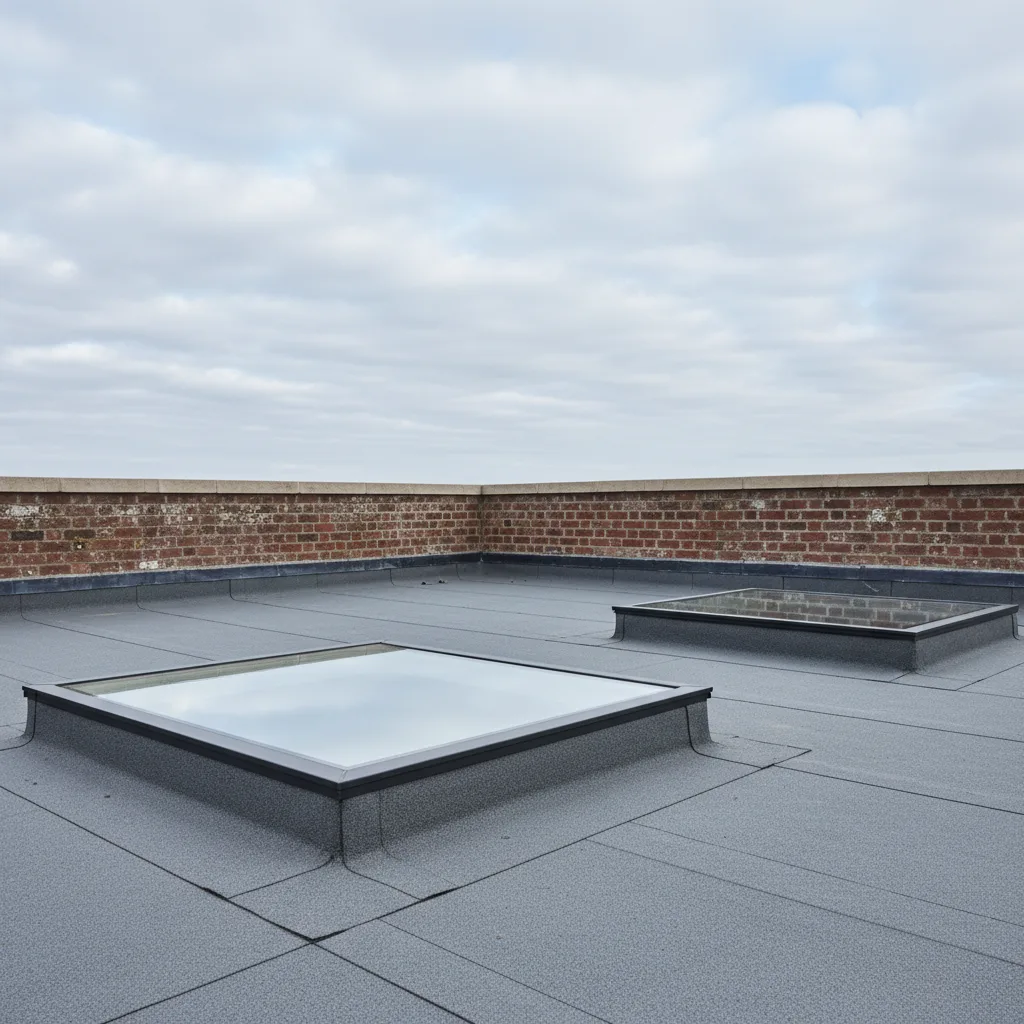 Roof Window Installation
Read more
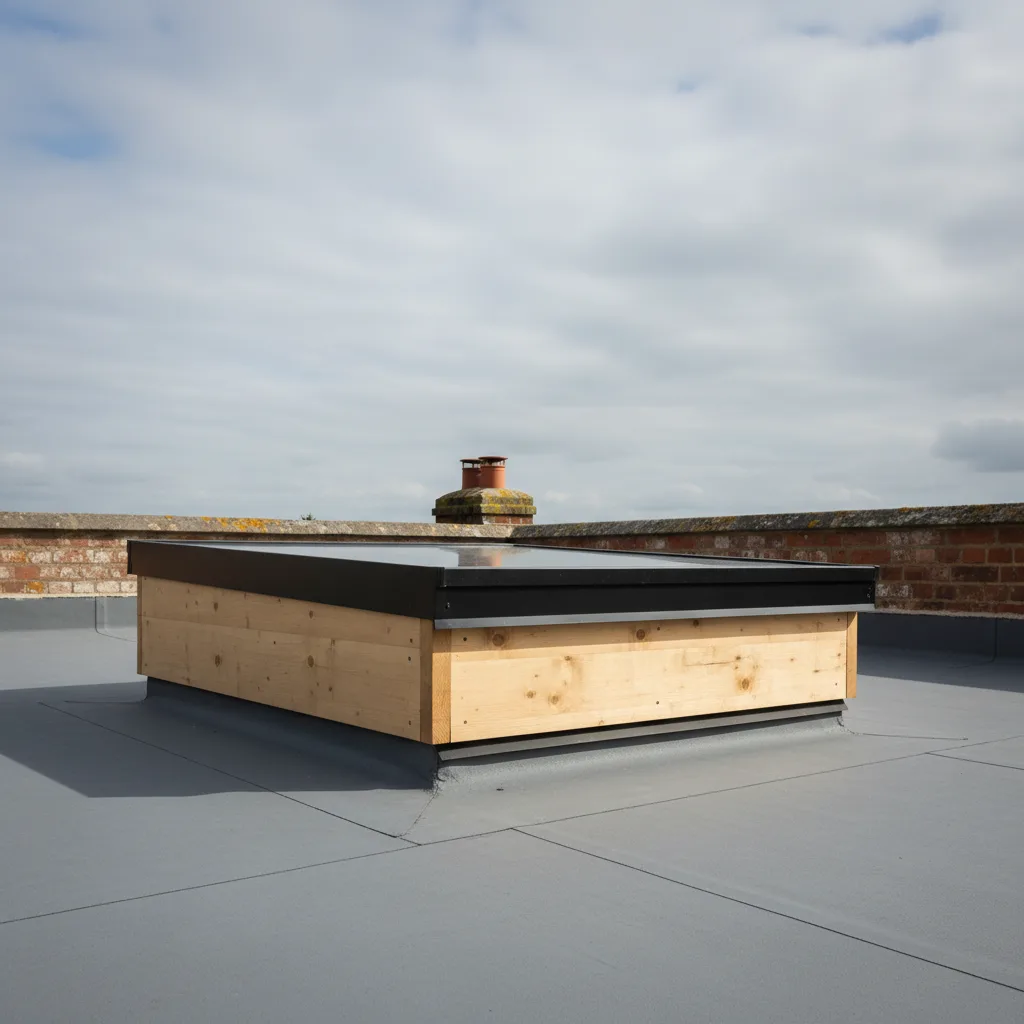 VELUX Window Installation
Read more
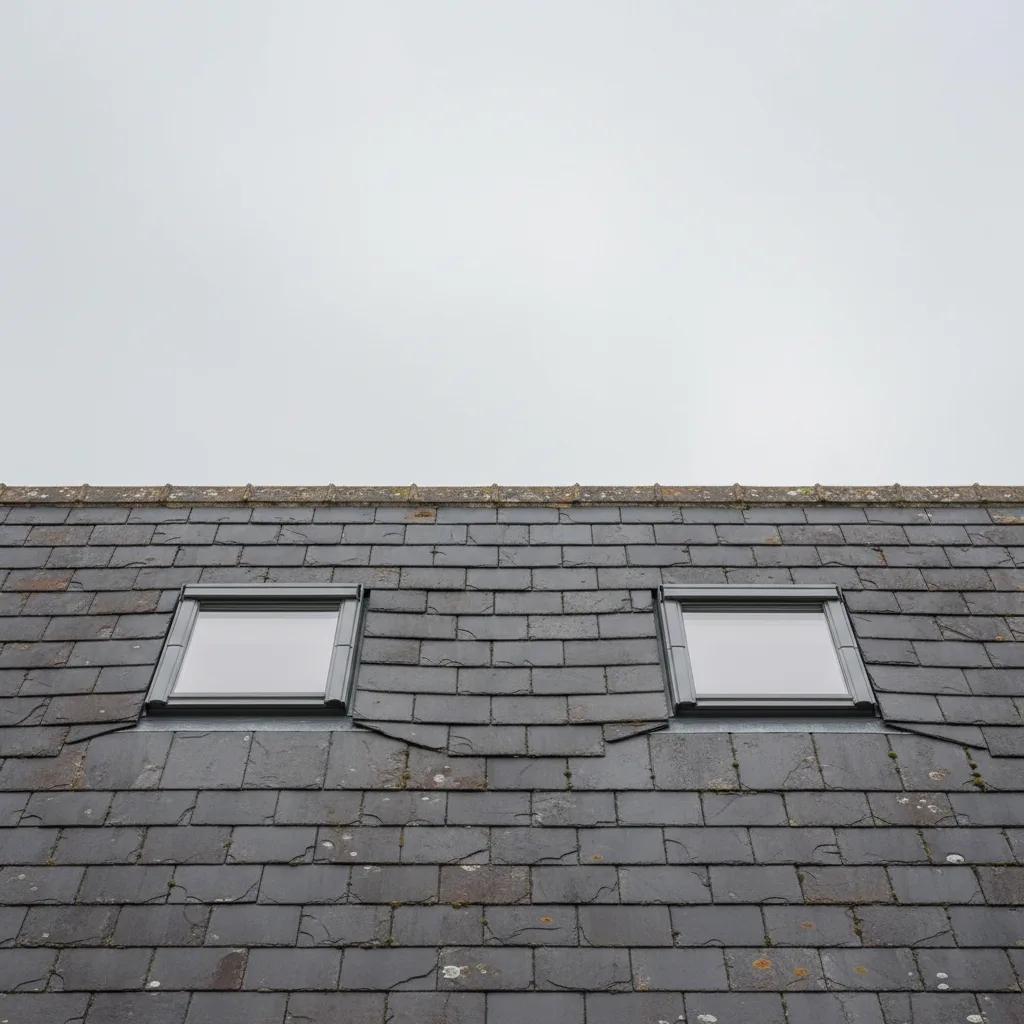 Electric and Opening Rooflights
Read more
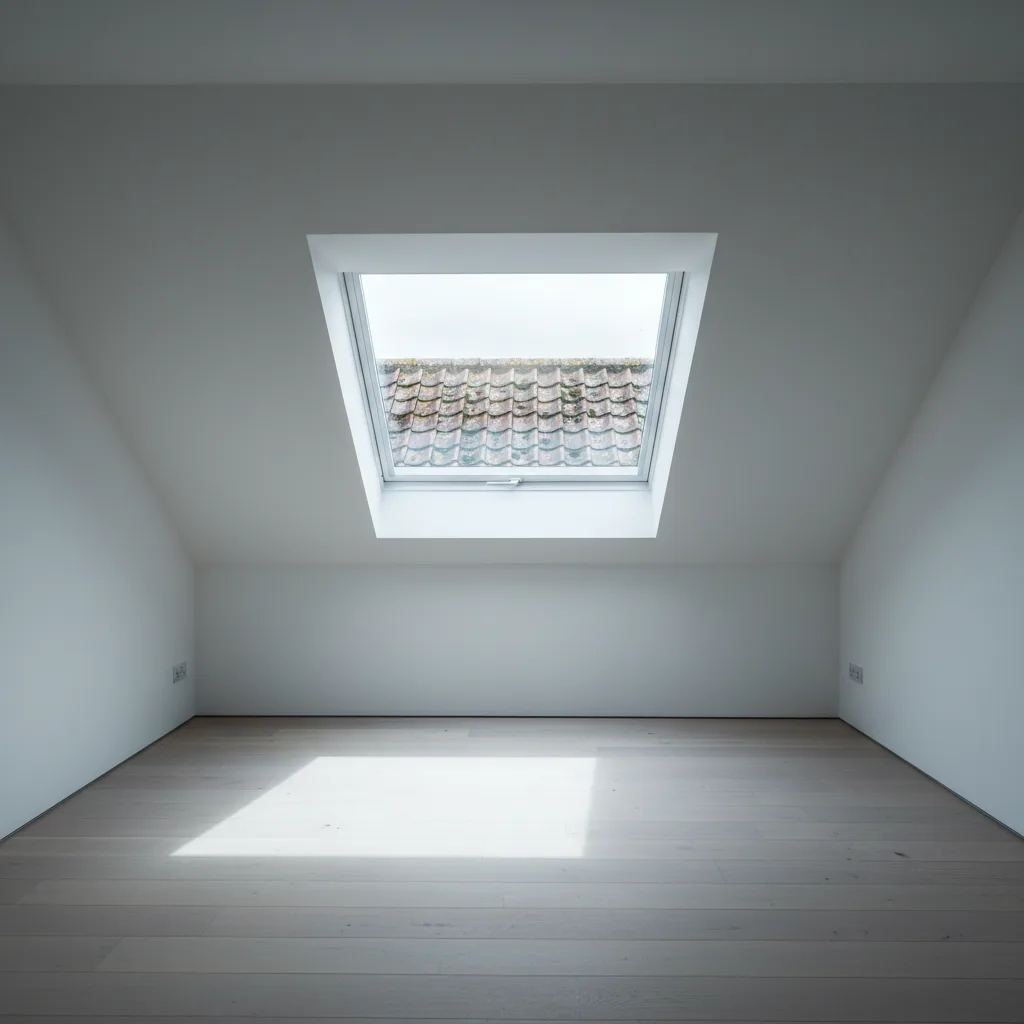 Energy Efficient Rooflights
Read more
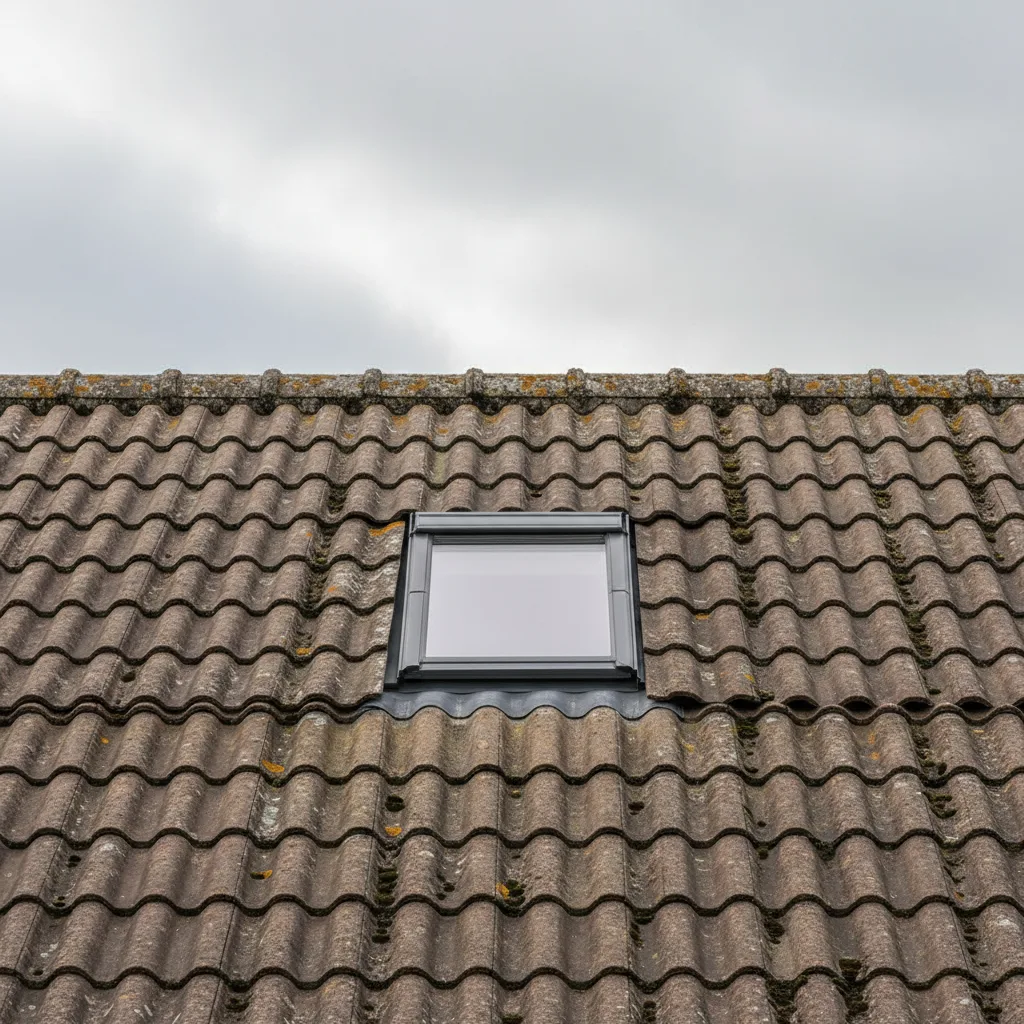 Replacing a Failed or Misted Rooflight
Read more
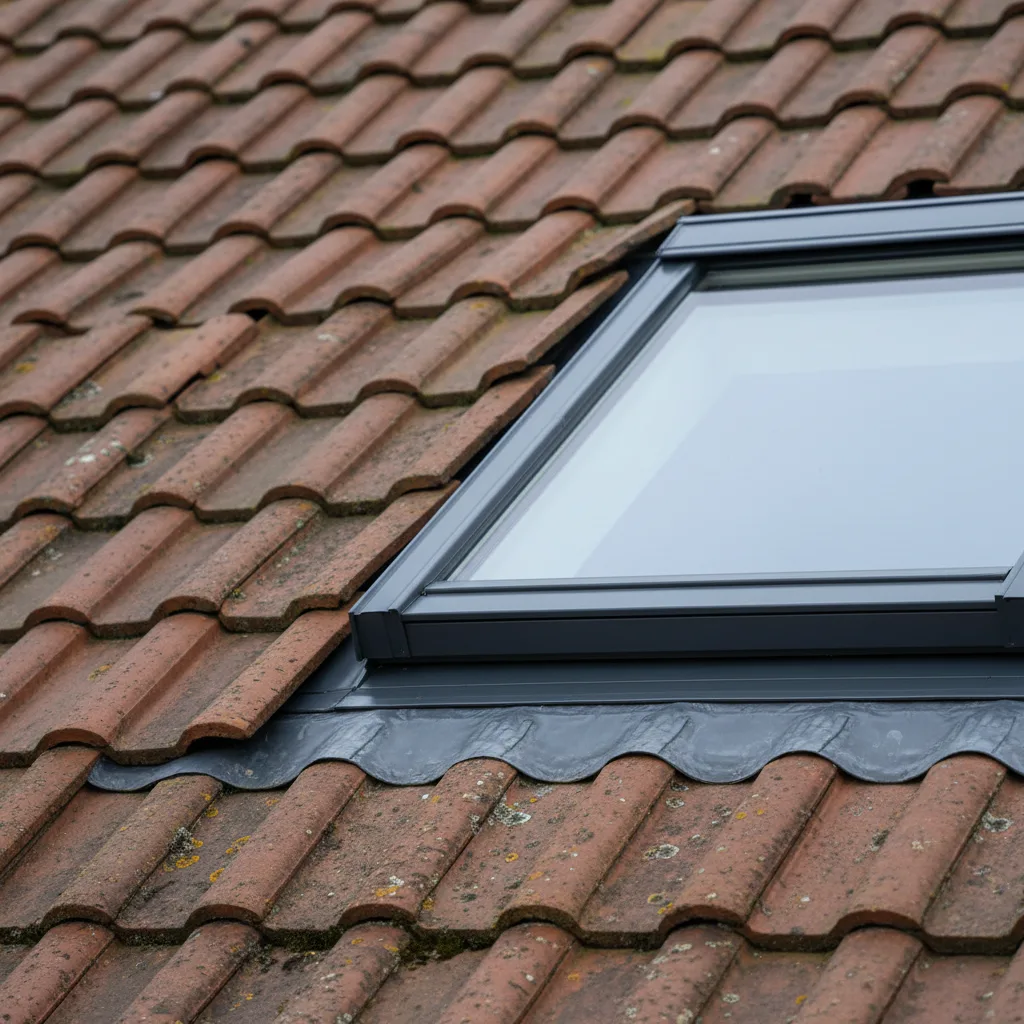 Walk-On Rooflight Installation
Read more
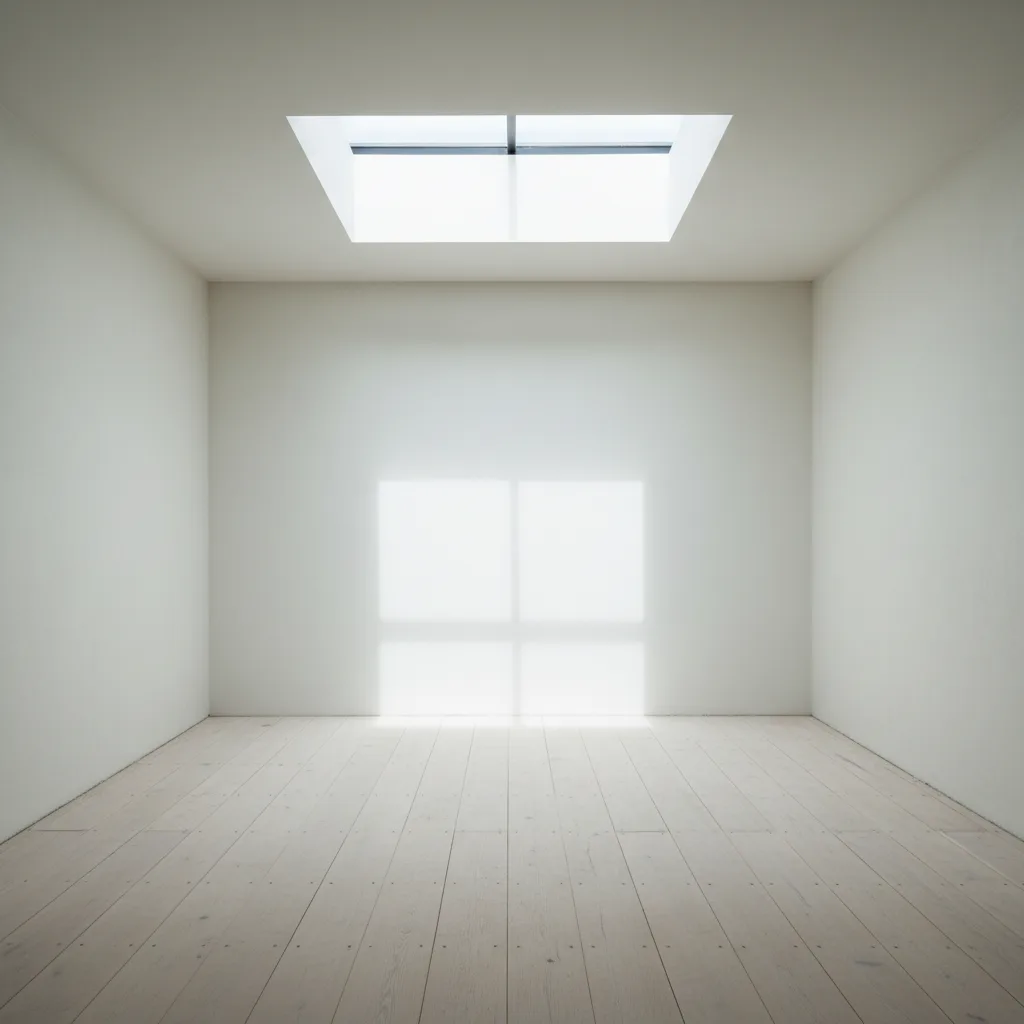 Conservation Rooflight Installation
Read more
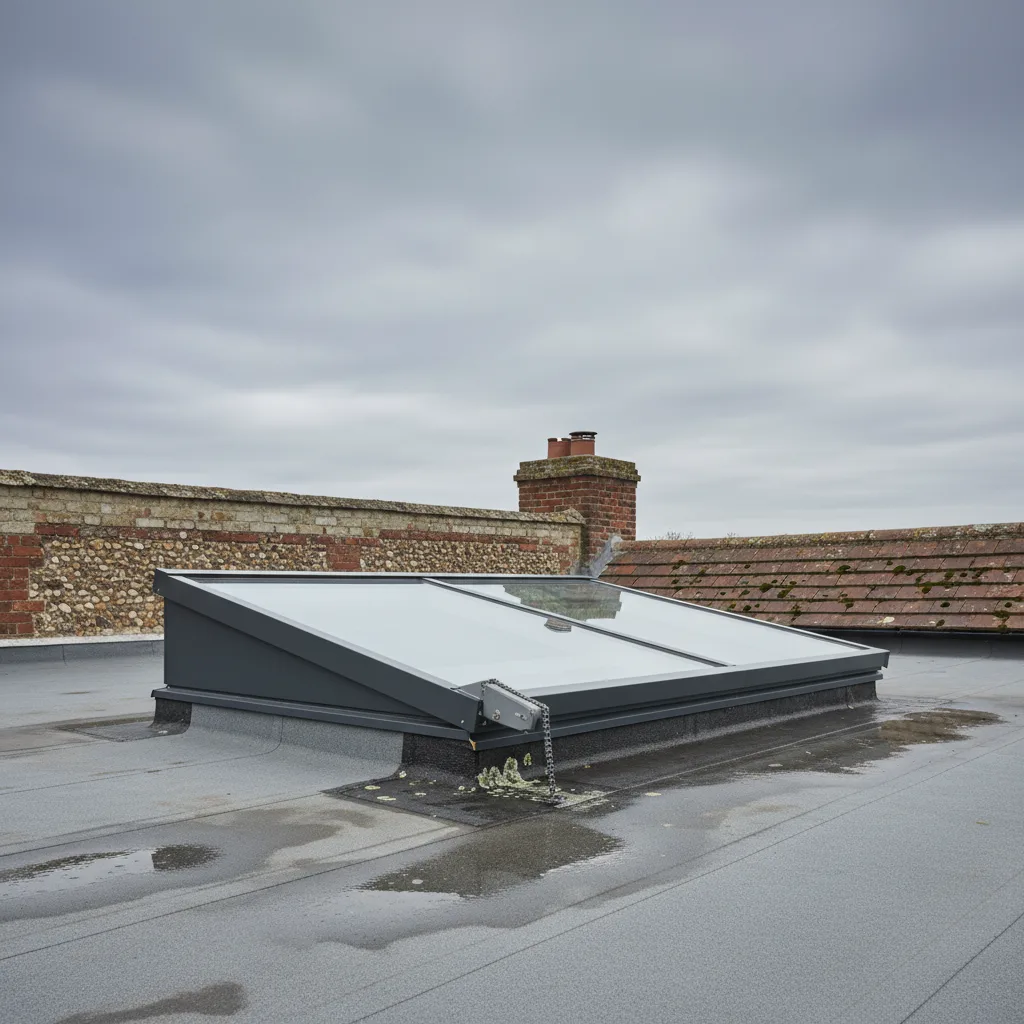 Sun Tunnel Installation
Read more
Great Wigborough is a scattered parish on the marshland between the Blackwater and the Colne, largely farms, cottages and converted agricultural buildings.
Exposed and rural

Little shelter, salt on the wind off the marshes, and properties that stand alone in open country. Marine grade coatings are sensible, and weathering details need executing properly because wind driven rain arrives from every direction here.
Agricultural conversions

The best rooflight candidates in the area. Large roof planes, almost no wall openings, and deep plans that are dark in the centre. Where the building is listed, flush conservation units; where it is not, a run of roof windows along the slope does more than one large unit ever will.
Access

Usually easy, which keeps scaffold costs down and makes larger or multiple units practical.
Skylight and rooflight work we cover in Great Wigborough

Roof lanterns, flat roof rooflights, roof windows, VELUX replacements, conservation units and sun tunnels, all surveyed before they are quoted. We also work in Abberton, Tollesbury and Peldon.
A small parish on the marshland edge

Great Wigborough sits south of Colchester on the rising ground above the Blackwater marshes, a scattered parish of farms, cottages and a handful of houses around the church. It is one of the smallest places we cover and almost every job here is an individual building rather than a type.
Ground movement, which is a real consideration here
The heavy clay soils across this part of Essex shrink and swell with the seasons, and buildings on them move. That is not a defect and it does not stop a rooflight going in, but it changes how the work is detailed.
Older buildings here have generally been moving for a very long time and have found their own equilibrium. What matters is not correcting that movement but allowing for it.
Nothing is assumed from a drawing. Every dimension is measured off the building at the position the unit will actually occupy, because a rafter spacing measured at one end of a slope may be different at the other, and a roof that has settled is not square.
The frame is set square regardless. A unit fitted twisted to match a sagging roof gives a sash that catches at one corner and never closes properly. Packing and trimming absorb the difference; the window itself sits true in both directions.
Fixing allows for seasonal movement. A rigid modern unit clamped hard into a structure that flexes is under stress it was not designed for, and it shows up years later as a failed seal or a distorted frame.
Where a building shows signs of active rather than historic movement, that is a question for a structural engineer before it is a question for us, and we will say so rather than fitting a window into a moving opening.
Exposure
Properties standing in open ground on the marshland edge take considerably more wind than a house in a village street, and salt carries inland on the wind from the estuary.
Stainless steel fixings rather than plated, which cost very little more and do not stain an exposed roof. A correctly profiled, generously lapped flashing kit rather than a universal one, because driving rain is pushed under a covering rather than running down it and gravity does very little of the weathering work here. And wind loading checked against the site on larger units and anything that opens.
Farms and converted buildings
Most of the older property here is agricultural in origin, and those are their own category.
The first question is what the roof is actually made of, since historic timber, twentieth century lightweight trusses and steel frames all occur, and the answer decides whether a heavy unit such as a lantern needs structural work.
The second is what the original permission said. Conversions are frequently granted with conditions about rooflights, or with permitted development rights removed by condition, and those run with the property regardless of who owns it now. Reading the permission first saves a wasted application or an enforcement problem.
Consent
Listed building consent is required for a rooflight on a listed building, always, on any slope, whether or not anyone can see it, and the parish has a number of listed farmhouses and cottages.
Where a property is unlisted and outside any designation, permitted development normally applies: no more than 150mm projection beyond the plane of the roof and not above the highest part of it.
Coverings
Handmade clay plain tile and peg tile on the older buildings, pantile on several of the agricultural ones, and concrete interlocking tile on the twentieth century housing.
Pantiles need their own deep flashing profile and are unforgiving of a universal kit. Handmade clay is the most demanding of all: small, double lapped, irregular and brittle, with a proportion breaking on removal whatever care is taken. Matching weathered tile is difficult, and the usual answer is to take sound tiles from a hidden slope so the visible elevation stays consistent.
Access and coverage
Excellent on site, with space around almost every property for a tower or scaffold on private land and no highway licences to arrange. The constraint is more often getting a delivery vehicle with a large unit down a single track lane, which is worth establishing at survey.
Because the parish is small and we come out from Colchester, we plan work here as full days. Access is a fixed cost shared across everything done on the same visit, so mention everything that needs doing at the enquiry stage rather than one item at a time.
| Local factor | In Great Wigborough |
|---|---|
| Planning authority | Colchester City Council |
| Conservation position | Limited |
| Typical roof covering | Clay pantile |
| Roof structure | Cut roofs |
| Exposure | Estuary, open and exposed |
| Most common job here | Replacement |
What we fit, and what we would tell you not to
Three kinds of job cover almost everything in this parish.
Roof windows into pitched slopes, on cottages, farmhouses and the small amount of later housing, specified for an exposed position rather than a sheltered one.
Rooflights into converted agricultural buildings, where the first question is what the roof is actually made of and the second is what the conversion permission said.
Sun tunnels, into internal bathrooms and hallways with no external wall, which the older cottages frequently have. A rigid mirrored tube brings genuine daylight into a room that has never had any, for a fraction of the cost of anything else, and the roof component is small enough to be effectively invisible.
What we would advise against
A universal flashing kit. On open ground with wind driven rain, that is the single most consequential economy a quotation can make, because the flashing is doing almost the whole weathering job rather than gravity.
Plated fixings. They corrode and stain, and once a fixing has gone the flashing it held is loose. Stainless costs very little more.
Forcing a modern unit into an old opening and packing the difference. On a building that has already moved, this fails faster than anywhere. Adapt the opening properly or order to fit.
Triple glazing as a default. Real but modest thermal gain, at the cost of weight, daylight transmission and a good deal of money. Solar control glass where it faces the sun, a properly insulated kerb and a sealed vapour control layer do more for how a room feels.
Getting a price
A photograph of the roof, one looking up inside the loft, and the address. For a replacement, the data plate on the sash. From those we give an indicative range by email, then a fixed written itemised price after survey.
Because the parish is small and we come out from Colchester, we plan work here as full days. Access and travel are fixed costs shared across everything done on the same visit, so mention everything that needs doing at the enquiry stage.
Timescales, and working in winter
A like for like replacement into a sound opening is a single day. A new opening with making good is three to four days. A sun tunnel is usually half a day.
What lengthens a programme is the order rather than the work. Made to measure sizes run to several weeks and are more likely than usual where historic timber constrains the position. Where listed building consent applies, that is months rather than weeks and it comes first.
On winter working: we do it, and the rule is that an opening is never left uncovered overnight and a strip out does not start if the forecast will not allow the roof to be closed the same day. On an exposed site with an older covering that occasionally costs us a day. It has never cost a customer a ceiling.
What to send us
A photograph of the roof from outside, showing the slope you have in mind. A photograph looking up inside the loft, which settles cut roof against trussed rafters. And the address, so we can check the listing and any designation ourselves rather than asking you to.
For a replacement, add a photograph of the data plate on the sash. For an extension, one showing how the flat roof meets the house, because that shows us the kerb and the fall. For a converted agricultural building, the original planning permission if you have it, because conditions about rooflights run with the property.
From those we give an indicative range by email, free and without an appointment. A fixed written itemised price follows a survey.
How we work
A survey before a fixed price. An itemised written quotation that names the product and the flashing kit rather than describing a rooflight in general terms. The insulation collar as standard rather than as an extra. Disposal of what comes out. And a ten year guarantee on our workmanship alongside the manufacturer’s warranty on the product.
Where the work is notifiable we handle Building Control. Where consent is needed we prepare the material for the application. Neither is charged as a separate consultancy.
We are a rooflight and skylight specialist rather than a general roofer, which is why we know what an obsolete size code from 1994 is and what to do about it.
Talk to us
Send a photograph of the roof and one looking up inside the loft, and tell us the address. You will get a realistic range back the same working day wherever possible, without an appointment and without any obligation attached.
Where a job is urgent because water is coming in, say so and we will treat it as urgent rather than putting you in the queue. Where we fitted the original and something is wrong with it, call rather than filling in a form and mention roughly when the work was done.
We cover Great Wigborough and the surrounding parishes from Colchester, and we are a rooflight and skylight specialist rather than a general roofer. That is why we know what an obsolete size code from 1994 is and what to do about it.
Asked by people in Great Wigborough
What is the work like on the marshland parishes?
Scattered and individual. Farms, cottages and converted agricultural buildings across a wide parish between the Blackwater and the Colne, so every property is its own survey and there is no typical job.
How exposed is it?
Open marshland exposure with salt on the wind from both estuaries. Not island severity, but well beyond a sheltered inland village, and worth a good coating specification.
Are converted agricultural buildings harder?
They need more survey. The structure may be historic, the covering may be pantile or sheet needing its own detail, and once the space is habitable the full thermal requirements apply.
Is access a problem around Great Wigborough?
Lanes, soft ground and distance rather than congestion. We plan work here as full days and confirm the scaffold standing position at survey.
More areas we cover
Ready to bring the daylight in?
Tell us about your project and we’ll send a clear, fixed written quote, no pressure, no surprises.
- Fixed written price before any work starts
- No pressure, no obligation, no sales calls
- Flexible survey times that suit you
- A reply within one working day