Rooflight and skylight installation in Peldon
A small village on the mainland approach to Mersea, with period cottages and marshland beyond.

Rooflights we install in Peldon
Every job is surveyed first. The right unit depends on the roof you have, not on what we would rather sell.
 Roof Lantern Installation
Read more
 Flat Roof Rooflight Installation
Read more
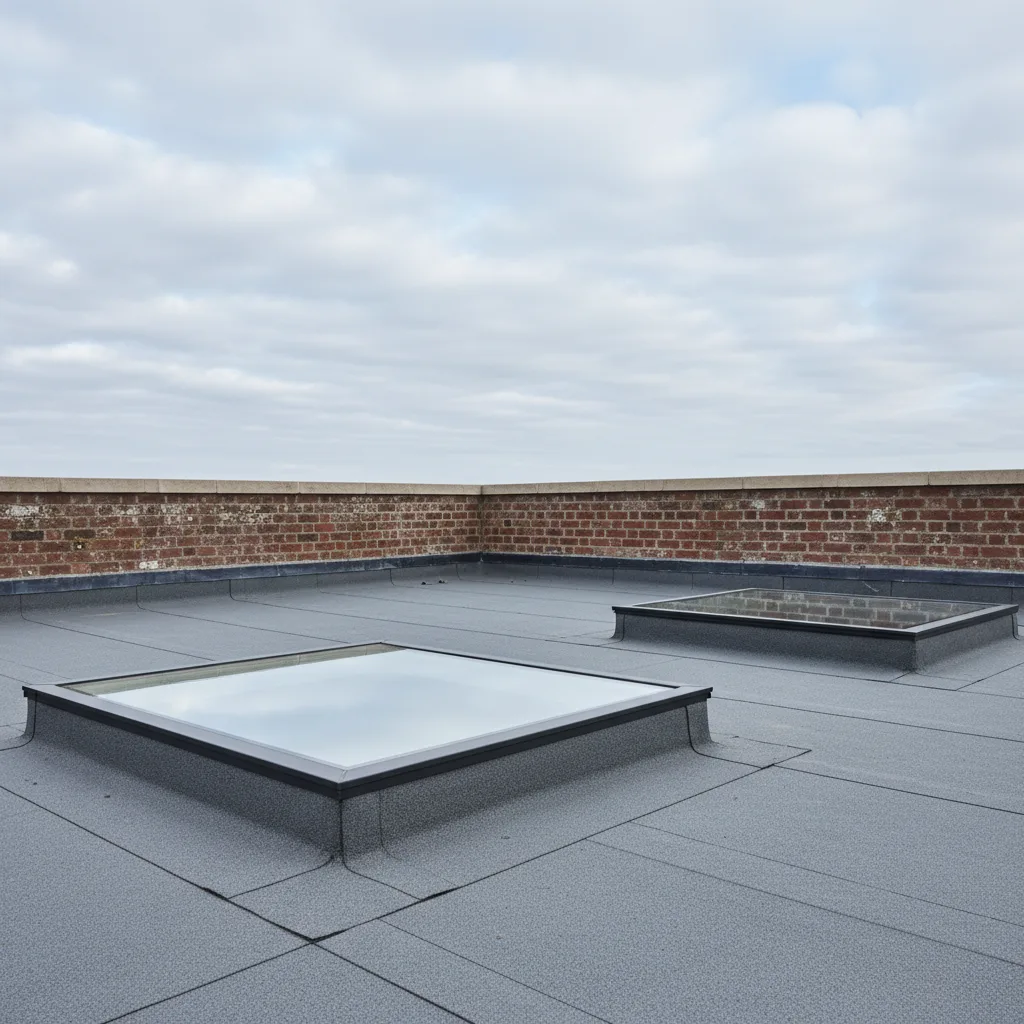 Roof Window Installation
Read more
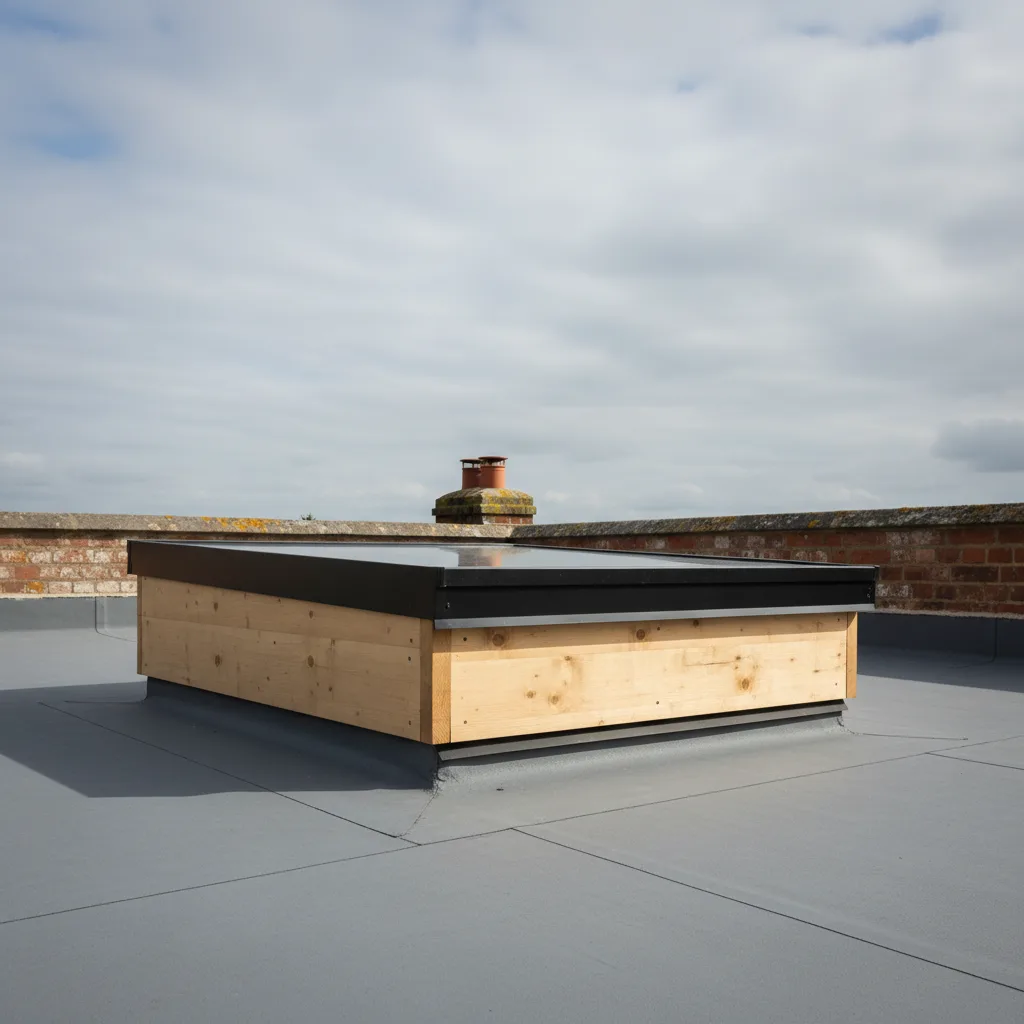 VELUX Window Installation
Read more
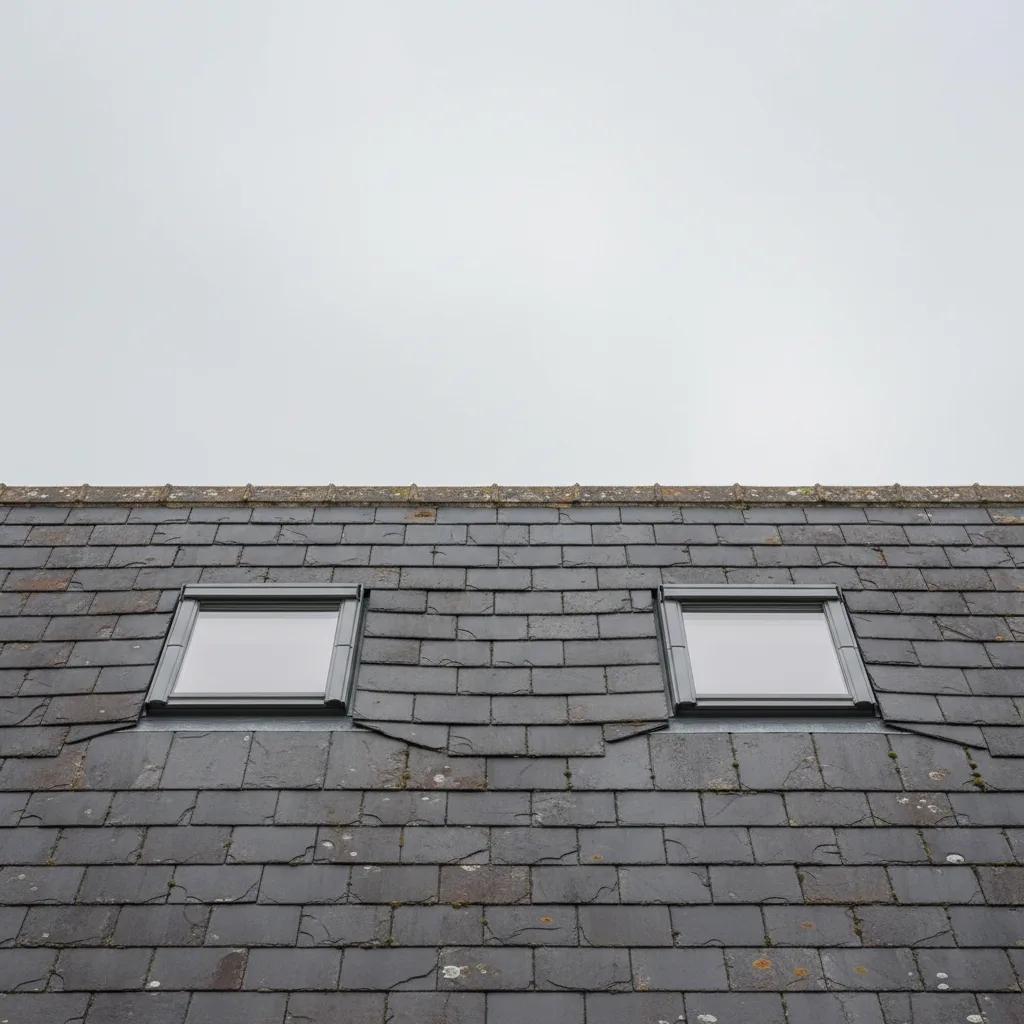 Electric and Opening Rooflights
Read more
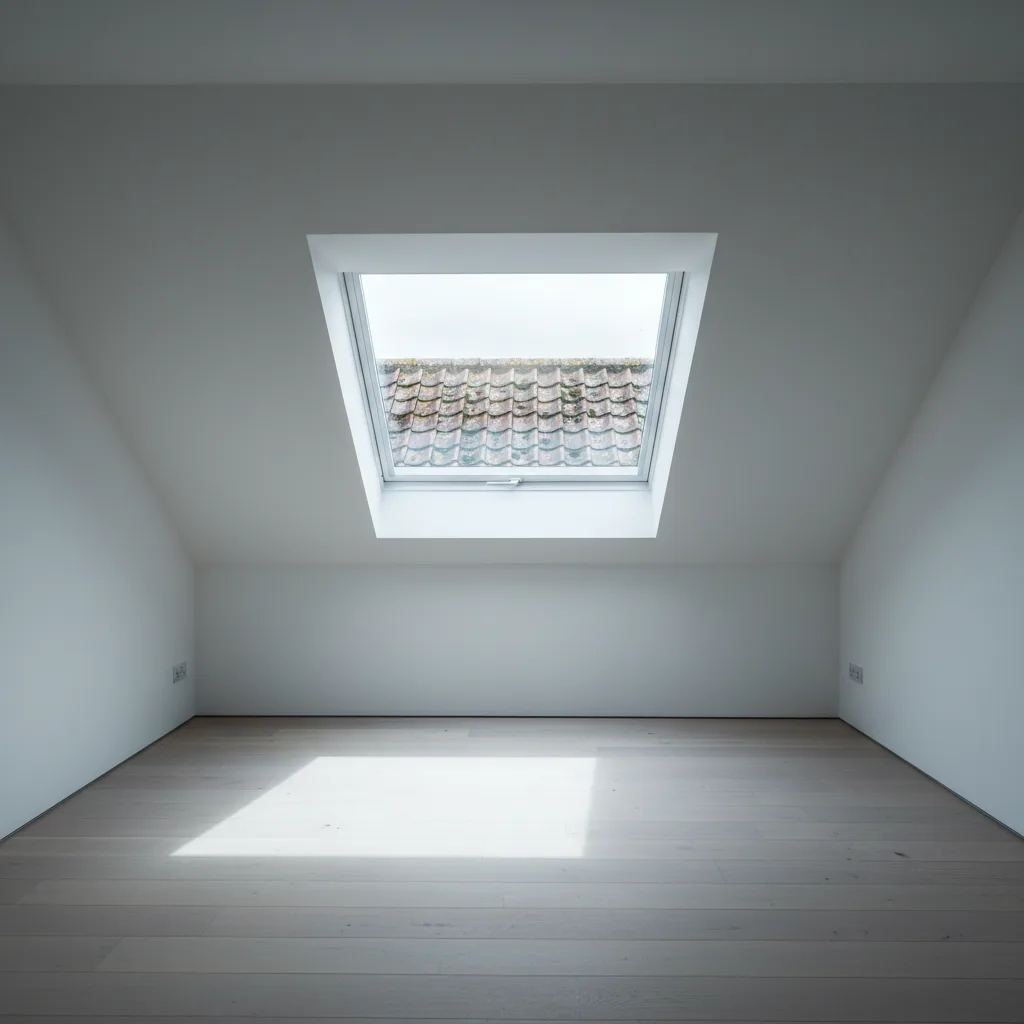 Energy Efficient Rooflights
Read more
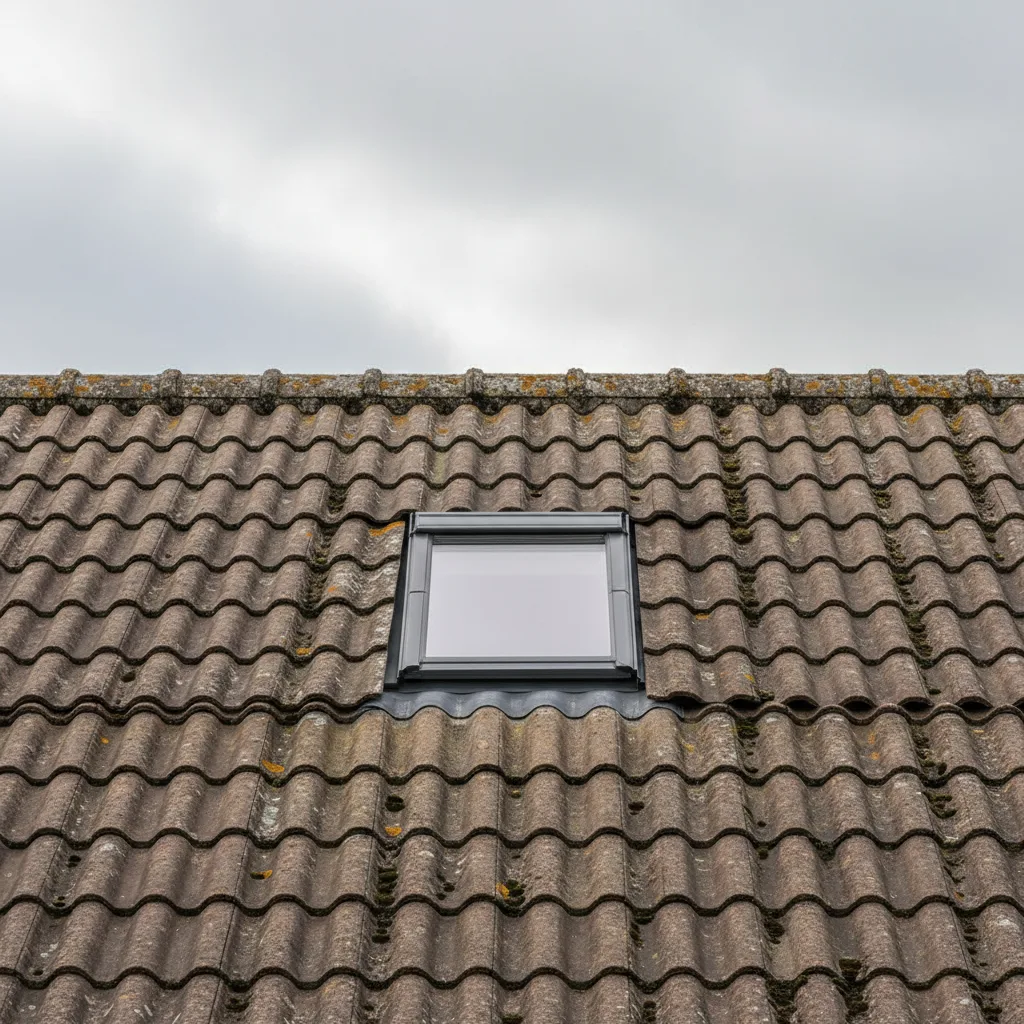 Replacing a Failed or Misted Rooflight
Read more
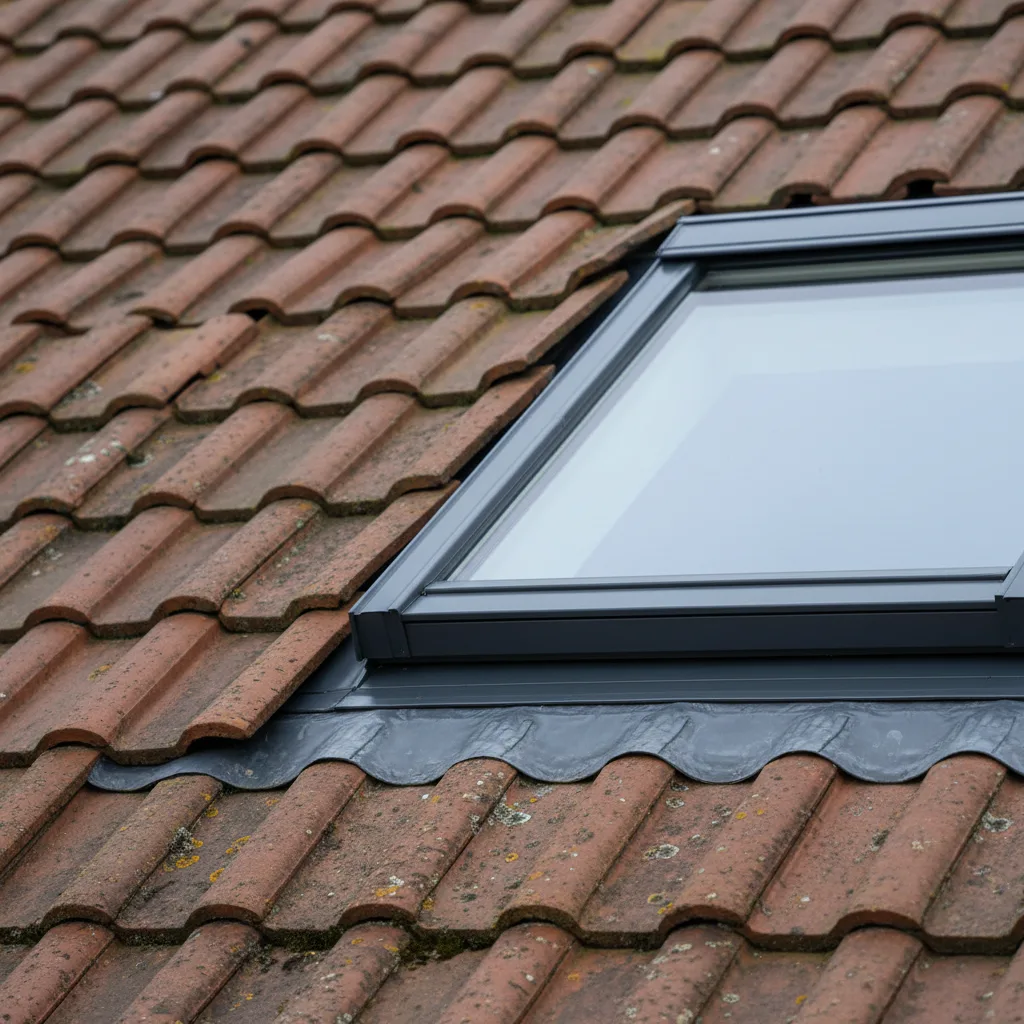 Walk-On Rooflight Installation
Read more
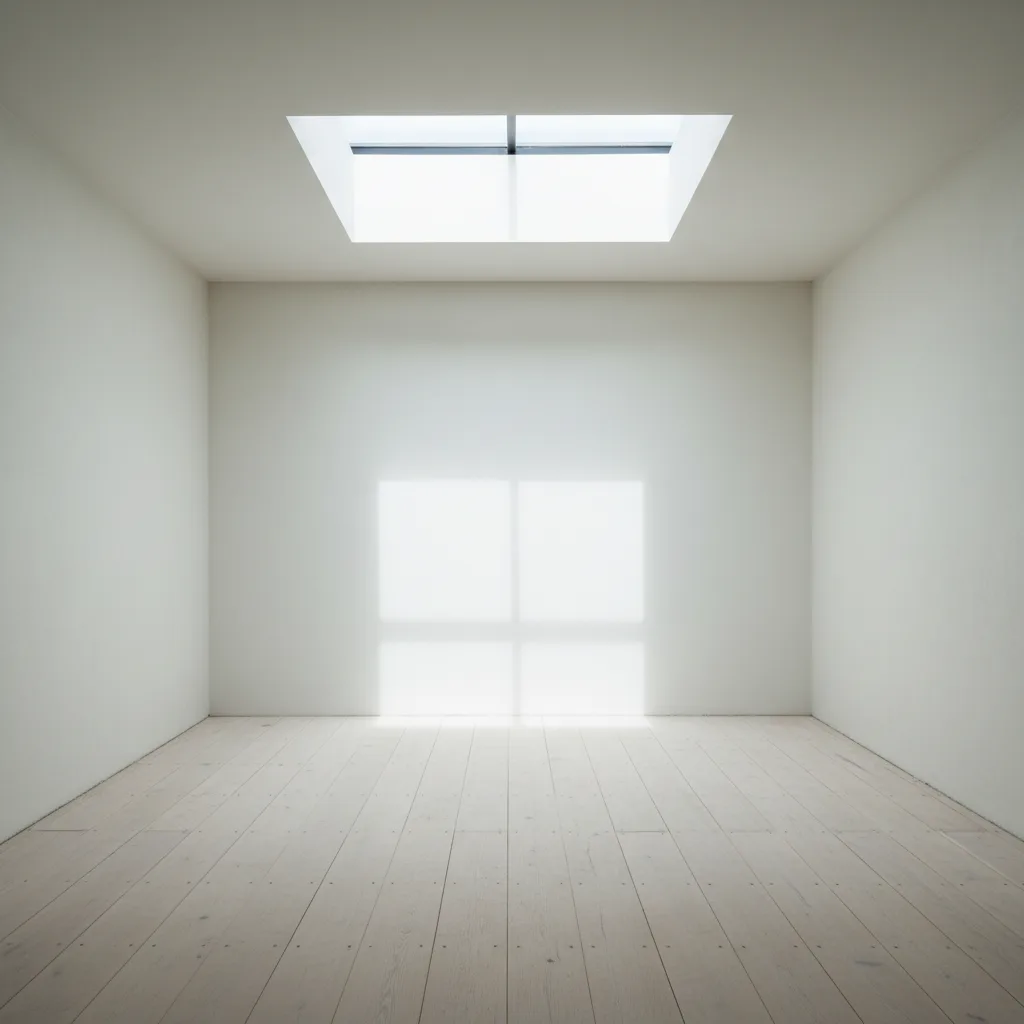 Conservation Rooflight Installation
Read more
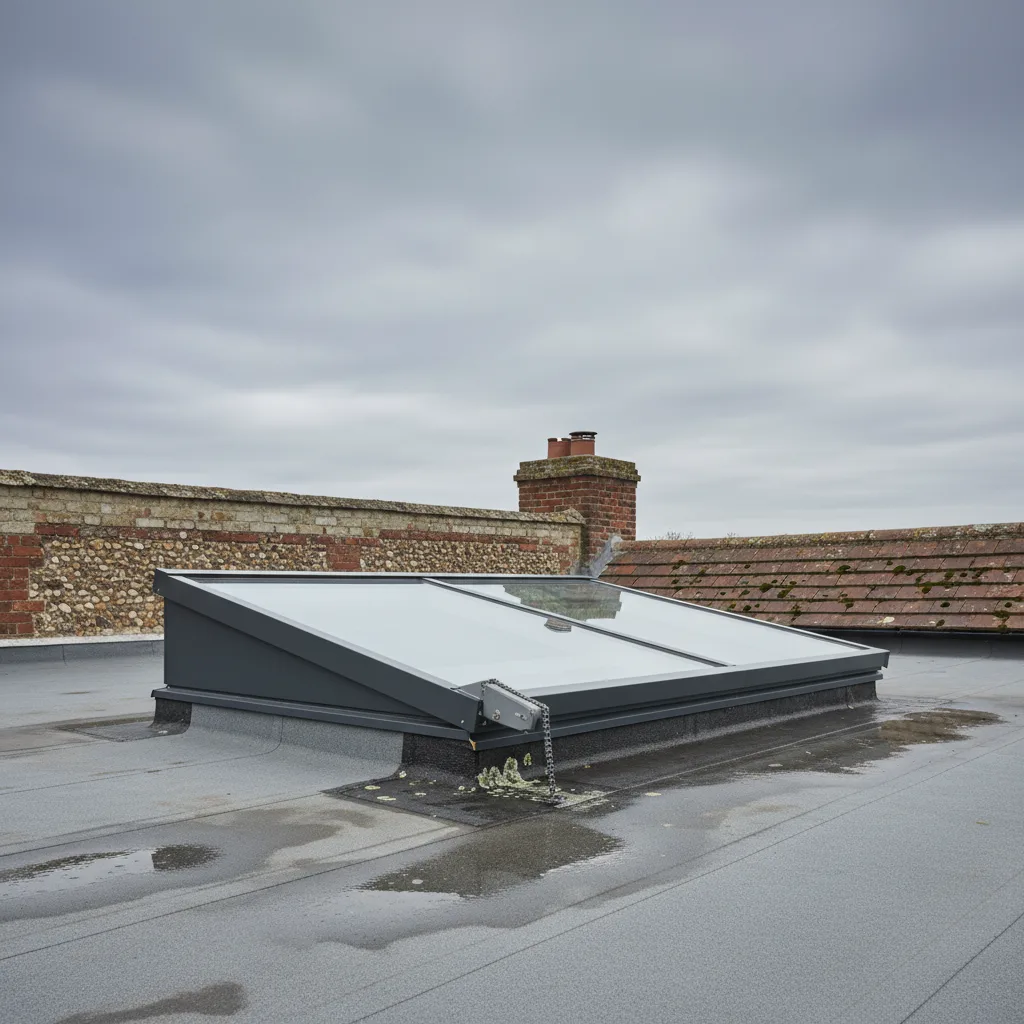 Sun Tunnel Installation
Read more
Peldon sits on the mainland approach to Mersea, a small village of period cottages and farmhouses with the marshes and the Strood beyond it.
Estuary exposure

Not island-level, but the marshes offer no shelter and salt reaches inland here. A marine grade coating is a sensible default on anything with a view of the water.
Period cottages

Clay pantile and plain tile on small, old roofs. Setting out matters on a small roof: a unit a course out of line is obvious from the road. Flush conservation rooflights where the property is listed or the slope is visible.
Dark middle rooms

Cottage plans here often have a room or a landing with no external wall. Where a rooflight cannot reach it, a sun tunnel usually can, and it is far less intrusive on a sensitive roof than an opening would be.
Skylight and rooflight work we cover in Peldon

Roof lanterns, flat roof rooflights, roof windows, VELUX replacements, conservation units and sun tunnels, all surveyed before they are quoted. We also work in Abberton, West Mersea and Layer-de-la-Haye.
A village on the road to the island

Peldon sits on the mainland side of the Strood, between the Colchester road and the Blackwater marshes. It is a small parish: cottages, farmhouses, a scatter of twentieth century housing, and open ground in every direction.
It shares the exposure of the coast without quite the severity of the island itself, and it shares the rural building stock of the Essex marshland fringe.
Marshland exposure
Properties here stand in open ground with the marshes and the estuary close by, and the specification should account for it.
Stainless steel fixings rather than plated, because salt carries inland on the wind here and plated fixings corrode within a few years. A durable exterior finish, with aluminium clad timber suiting exposed positions particularly well. And a generously sized flashing kit of the correct profile with a well lapped underlay collar, because driving rain is pushed under a covering rather than running down it and the flashing carries almost the whole burden.
On larger units and anything that opens, wind loading is worth checking against the site rather than assuming a catalogue figure. A rain sensor on a motorised unit is worth more here than inland, because weather comes across the marshes quickly and with little warning.
The older buildings
Cottages and farmhouses, many timber framed, some weatherboarded, with handmade clay plain tile, peg tile and pantile coverings on steep pitches.
These roofs frequently combine several building periods, extended and altered over centuries. Pitches vary within a single property, coverings change from one section to the next, and the timber ranges from historic hand cut rafters to twentieth century repairs. Every dimension is measured off the building at the position the unit will occupy, because a rafter spacing in one bay may not match the next.
Where historic timber is part of a listing, an opening is positioned to avoid it rather than cut through it, and the survey establishes where a rooflight can go before anybody discusses what it should be.
These buildings move seasonally and the fixing allows for it rather than clamping a rigid modern unit into a flexing frame.
Handmade clay is the most demanding covering in this trade: small, double lapped, irregular and brittle, with a proportion breaking on removal whatever care is taken. Pantiles need their own deep flashing profile and are unforgiving of a universal kit.
Consent
Listed building consent is required for a rooflight on a listed building, always, on any slope, whether or not anybody can see it. There is no rear elevation exception and no small works threshold.
Where a property is unlisted and outside any designation, permitted development normally applies: no more than 150mm projection beyond the plane of the roof and not above the highest part of it, with additional restrictions on side elevations facing a boundary.
For a converted agricultural building, read the original permission. Conversions are frequently granted with permitted development rights removed by condition, and those conditions run with the property regardless of who owns it now.
The twentieth century housing
Straightforward work. Concrete interlocking tiles, pitches around 30 to 35 degrees, cut roofs on the earlier properties and trussed rafters on the later ones, off street parking and space to stand a tower.
Establish cut or trussed from a loft photograph before asking for a quotation, because it decides more about the price than the choice of unit does. Rafters with a purlin and clear space between means a wide opening is ordinary carpentry; triangular frames with diagonal webs joined by flat steel plates means the opening is limited to the 600mm truss spacing unless a designed trimmer is installed.
Profiled tiles need a deep flashing kit rather than the flat kit used on slate, and specify for exposure even on a modern house, because a property in Peldon is not in a sheltered position whatever decade it was built in.
Access
Good on site, with space around almost every property for a tower or scaffold on private land and no highway licences to arrange. The practical constraint is more often getting a delivery vehicle with a large unit down a narrow lane, which is worth establishing at survey rather than on the day.
We plan Peldon work as full days. Access is a fixed cost shared across everything done on the same visit, so mention everything that needs doing at the enquiry stage.
| Local factor | In Peldon |
|---|---|
| Planning authority | Colchester City Council |
| Conservation position | Village conservation interest |
| Typical roof covering | Clay pantile |
| Roof structure | Timber frames under cut roofs |
| Exposure | Estuary. Marine grade coating advised |
| Most common job here | Conservation rooflights |
Getting a price, and what we need from you
Send a photograph of the roof from outside, one looking up inside the loft, and the address. The loft photograph settles cut roof against trussed rafters, which decides more about the price than the choice of unit does, and the address lets us check the listing and any designation ourselves.
For a replacement, add a photograph of the data plate on the sash. For an extension, add one showing how the flat roof meets the house, because that shows us the kerb and the fall.
From those we give an indicative range by email, free and without an appointment, then a fixed written itemised price after survey.
What moves the number here
Whether the opening already exists. The covering, since handmade clay and pantile are slow and a proportion breaks while concrete tile lifts cleanly. Whether historic timber constrains the position, which can turn a stock size into a made to measure with several weeks of lead time. Exposure, because a correctly profiled generously lapped flashing kit and stainless fixings cost slightly more than the minimum and are not optional out here. And what is found on strip out, for which we name a contingency rather than pretending it cannot happen.
Access is rarely a factor, which is unusual. There is space around almost every property for a tower or scaffold on private land and no highway licences to arrange.
Doing several together
Access and travel are fixed costs shared across everything done on the same visit, and on a small outlying parish that share is proportionally larger than in town. If there is more than one thing that needs doing, it is worth mentioning at the enquiry stage rather than one item at a time.
Guarantee and aftercare
Ten years on our workmanship, alongside the manufacturer’s warranty on the product. Most rooflight problems are installation problems, which is why the first matters more, and where a unit fails under the manufacturer’s warranty on a job we did, we handle that claim ourselves.
The routine care is short. Clean the gasket once a year so the sash seats properly. Clean the filter at the top of the sash. Cycle any motorised unit fully a few times a year including in winter, because mechanisms that sit unused seize. And on an exposed roof, check the flashing and fixings every few years after a storm.
What we will not do
Worth stating plainly, because several of these appear on other quotations for exposed sites.
Use a universal flashing kit. On open ground with wind driven rain, that is the single most consequential economy a quotation can make, because the flashing is doing almost the whole weathering job rather than gravity.
Use plated fixings. They corrode and stain here, and once a fixing has gone the flashing it held is loose. Stainless costs very little more and cannot be retrofitted without opening the work up.
Force a unit into an opening it does not fit. Packing the difference lasts about a year before the frame goes out of square, and on a building that has already moved it fails faster.
Drill and dry a misted sealed unit. The visible misting clears, the seal is not restored, and the labour to do it is most of the labour to replace it properly.
Timescales
A like for like replacement into a sound opening is a single day. A new opening with making good is three to four days. A sun tunnel is usually half a day.
What lengthens a programme is the order rather than the work. Made to measure sizes run to several weeks and are more likely than usual where historic timber constrains the position. Where listed building consent applies, that is months and it comes first, and on a converted agricultural building reading the original permission comes before anything else.
We work through the winter. An opening is never left uncovered overnight and a strip out does not start if the forecast will not allow the roof to be closed the same day. Near the marshes the forecast changes quickly, which occasionally costs us a day.
How we work
A survey before a fixed price. An itemised written quotation naming the product, the flashing kit, the fixings and the insulation collar rather than describing a rooflight in general terms. Disposal of what comes out. A ten year guarantee on our workmanship.
On an exposed site the specification lines matter more than usual, which is why they are named rather than assumed. Stainless fixings and the correct deep flashing profile are the two things a cheap quotation leaves out and the two things that decide whether the installation lasts here.
Where the work is notifiable we handle Building Control, and where consent is needed we prepare the material for the application.
Talk to us
Send a photograph of the roof and one looking up inside the loft, and tell us the address. You will get a realistic range back the same working day wherever possible, without an appointment.
Where a job is urgent because water is coming in, say so and we will treat it as urgent rather than putting you in the queue. There is no charge for a question.
We cover Peldon and the Mersea approaches from Colchester, and we are a rooflight and skylight specialist rather than a general roofer. Everything here is done by us rather than subcontracted out, which means one company from survey to guarantee.
Asked by people in Peldon
Is Peldon exposed?
Estuary exposure rather than open sea. It sits on the mainland approach to Mersea with marshes and the Strood beyond, so it carries salt on the prevailing wind without the full island severity. A good coating specification is sensible.
What is the stock like?
Period cottages and farmhouses, mostly. That means traditional cut roofs, irregular rafter spacings and frequently no underlay, all of which are normal on buildings of that age and all of which are worth identifying at survey rather than on the day.
Is there a conservation constraint?
Parts of the village. Colchester City Council will confirm the position for a specific address, including whether an Article 4 direction applies, which is the item nobody can see from the street.
Do the tides affect access here?
Not to Peldon itself, which is on the mainland. Only if the job continues onto the island does the causeway come into it.
More areas we cover
Ready to bring the daylight in?
Tell us about your project and we’ll send a clear, fixed written quote, no pressure, no surprises.
- Fixed written price before any work starts
- No pressure, no obligation, no sales calls
- Flexible survey times that suit you
- A reply within one working day