Rooflight and skylight installation in Parsons Heath
Post-war and later housing east of the town, close to the university.

Rooflights we install in Parsons Heath
Every job is surveyed first. The right unit depends on the roof you have, not on what we would rather sell.
 Roof Lantern Installation
Read more
 Flat Roof Rooflight Installation
Read more
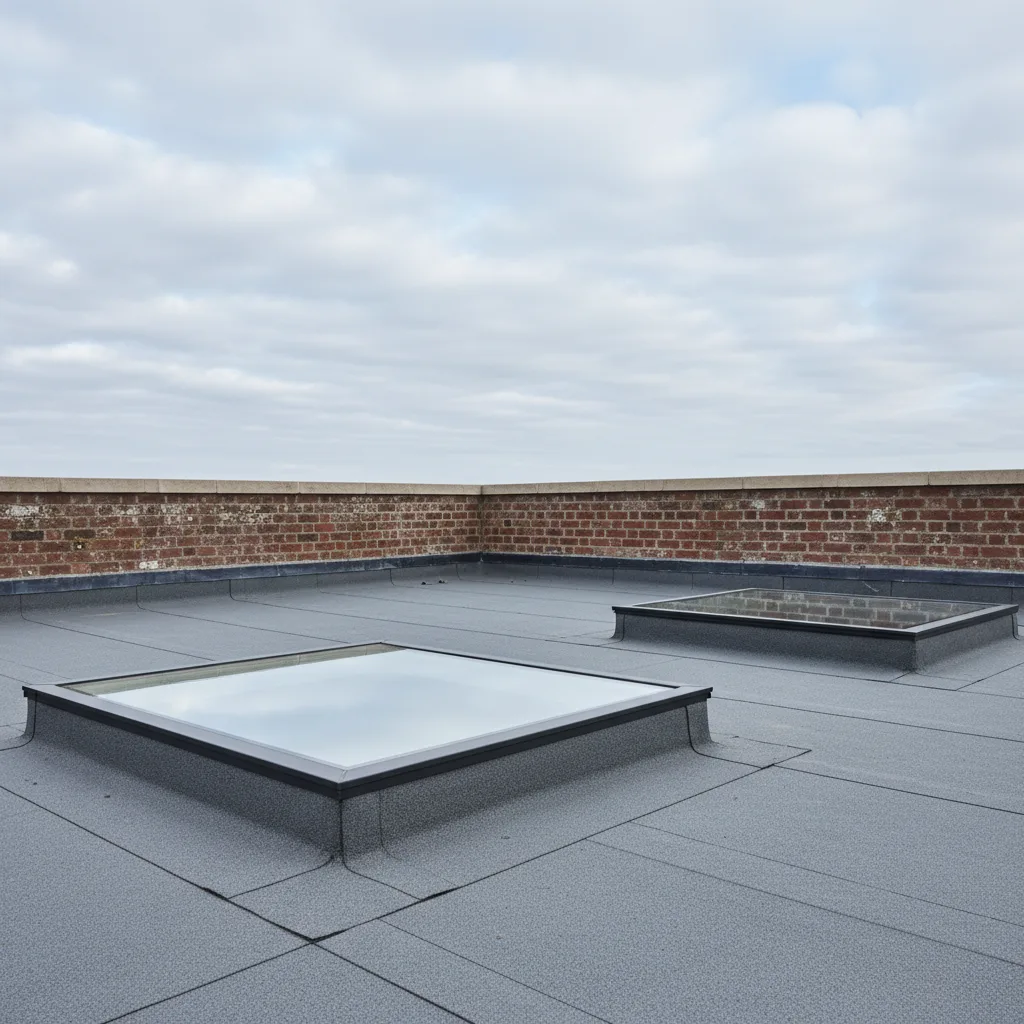 Roof Window Installation
Read more
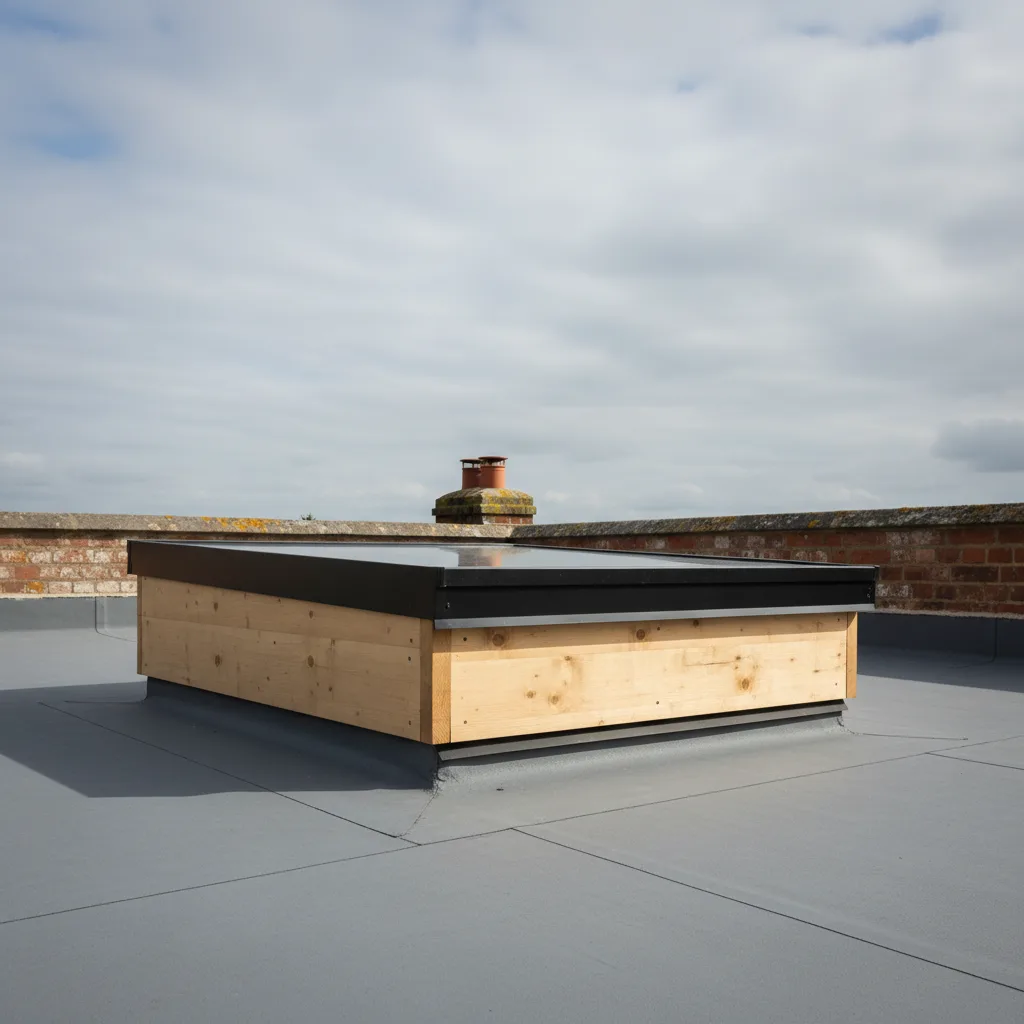 VELUX Window Installation
Read more
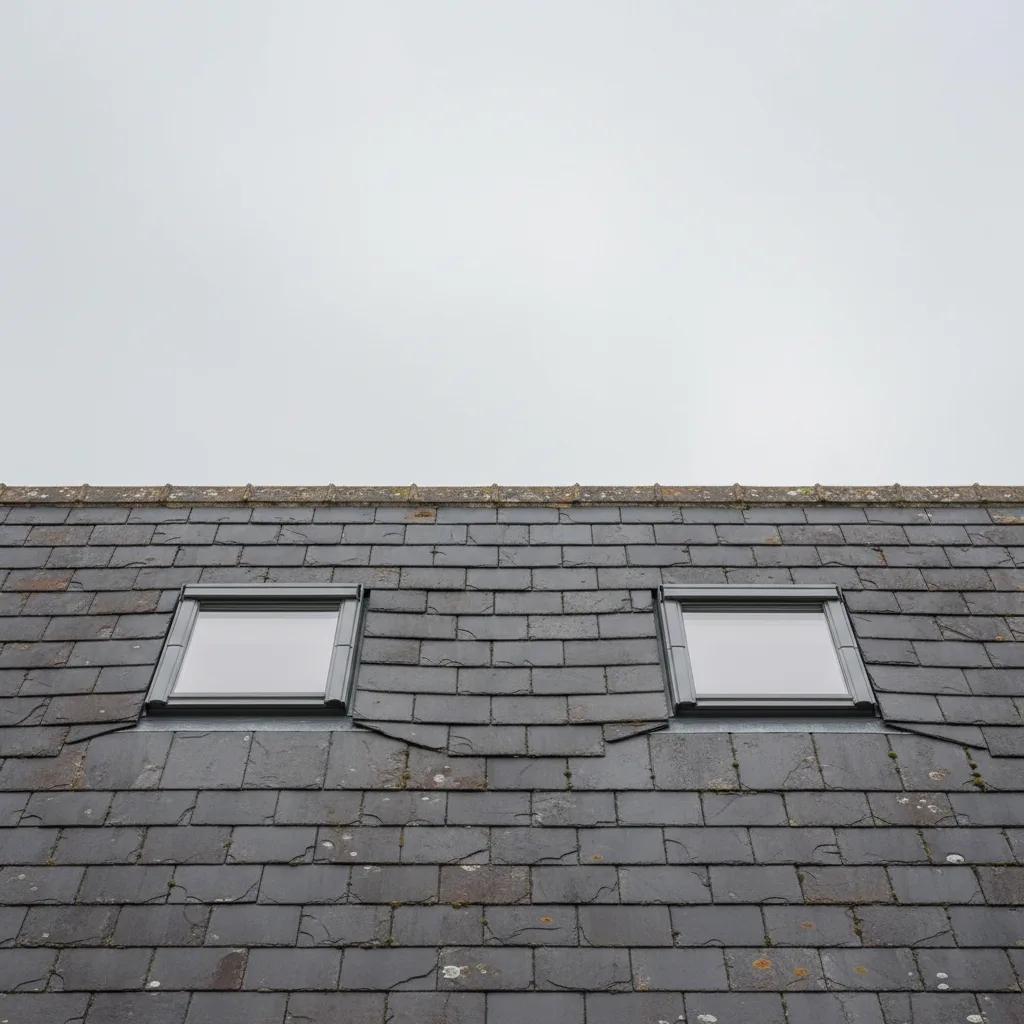 Electric and Opening Rooflights
Read more
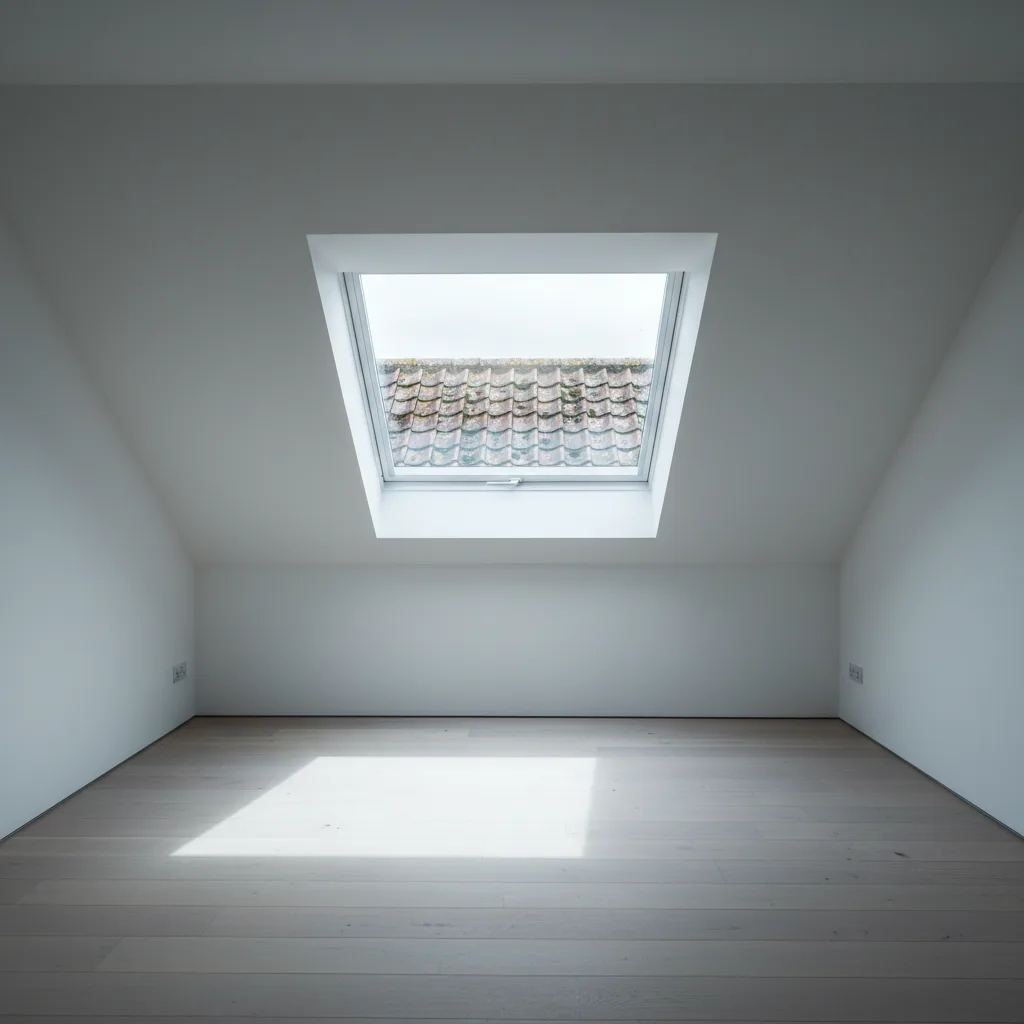 Energy Efficient Rooflights
Read more
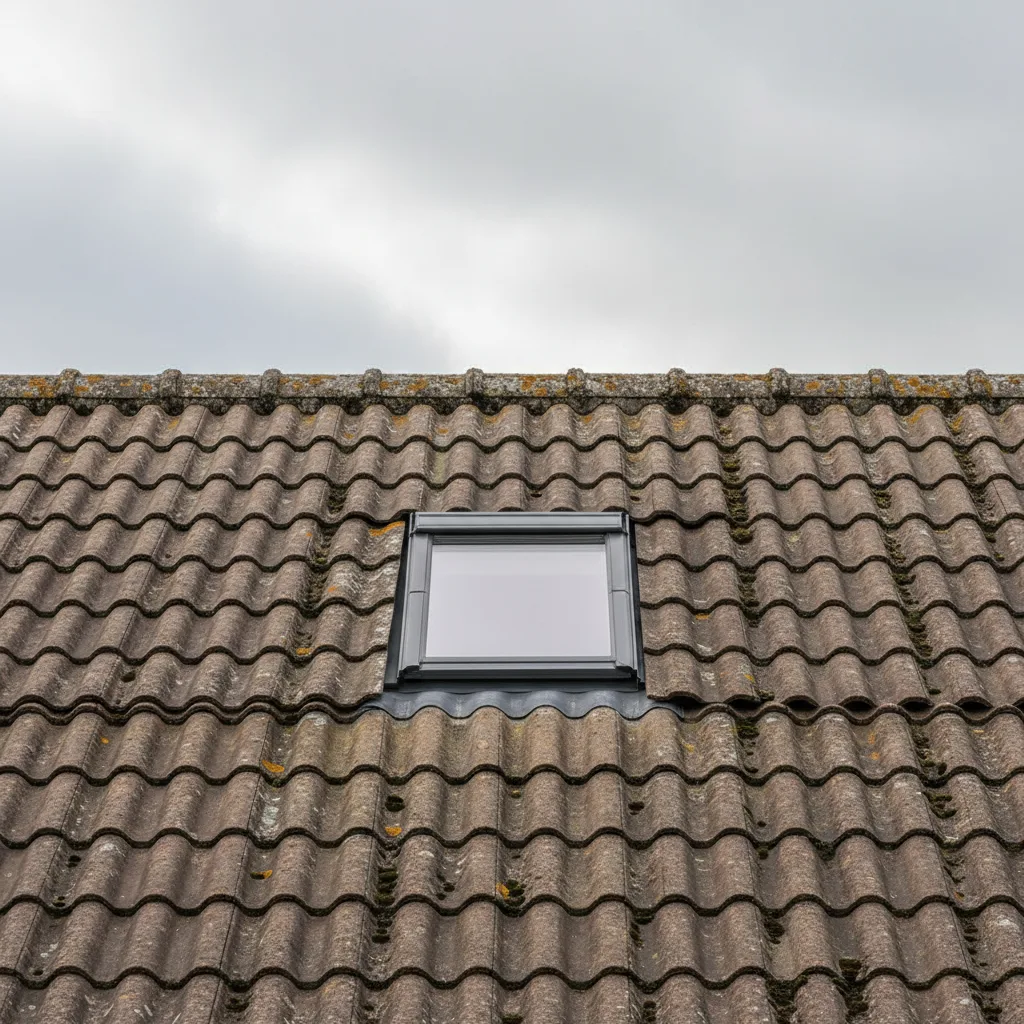 Replacing a Failed or Misted Rooflight
Read more
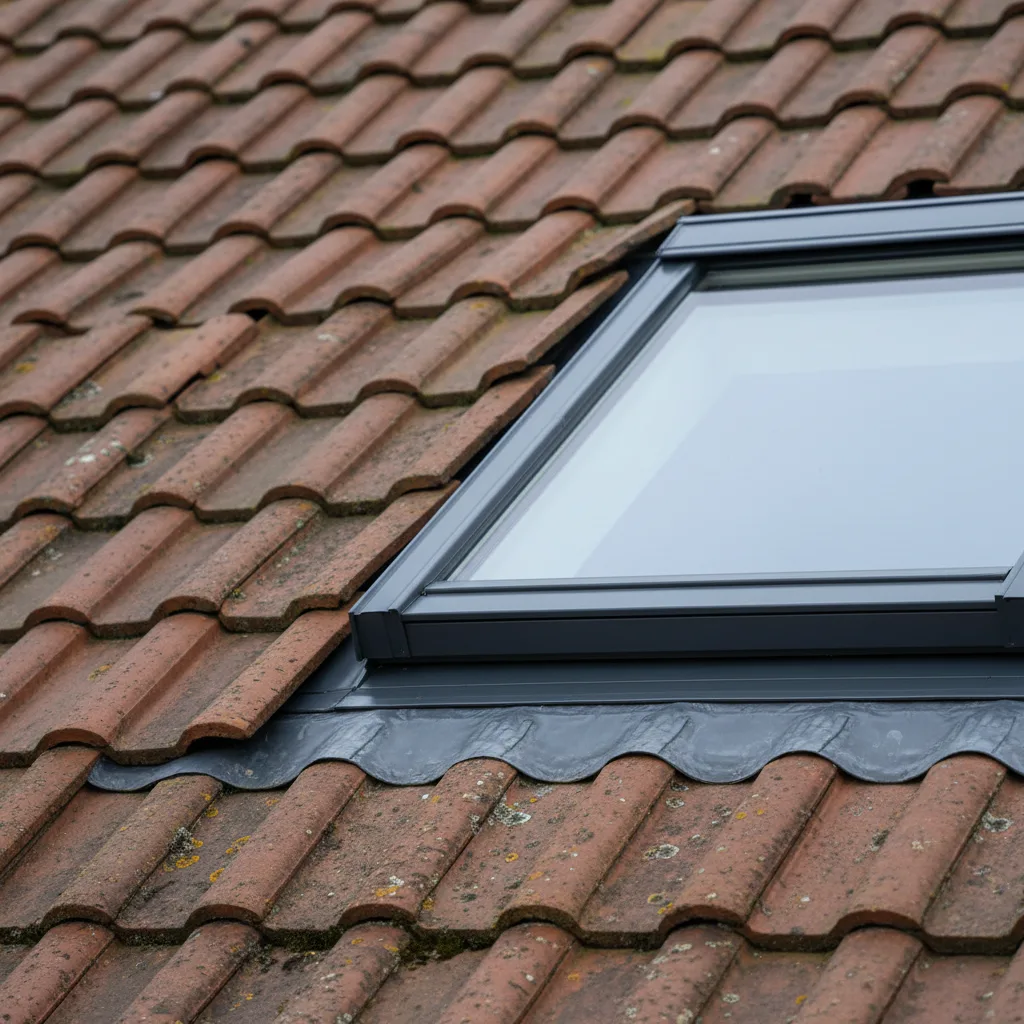 Walk-On Rooflight Installation
Read more
 Conservation Rooflight Installation
Read more
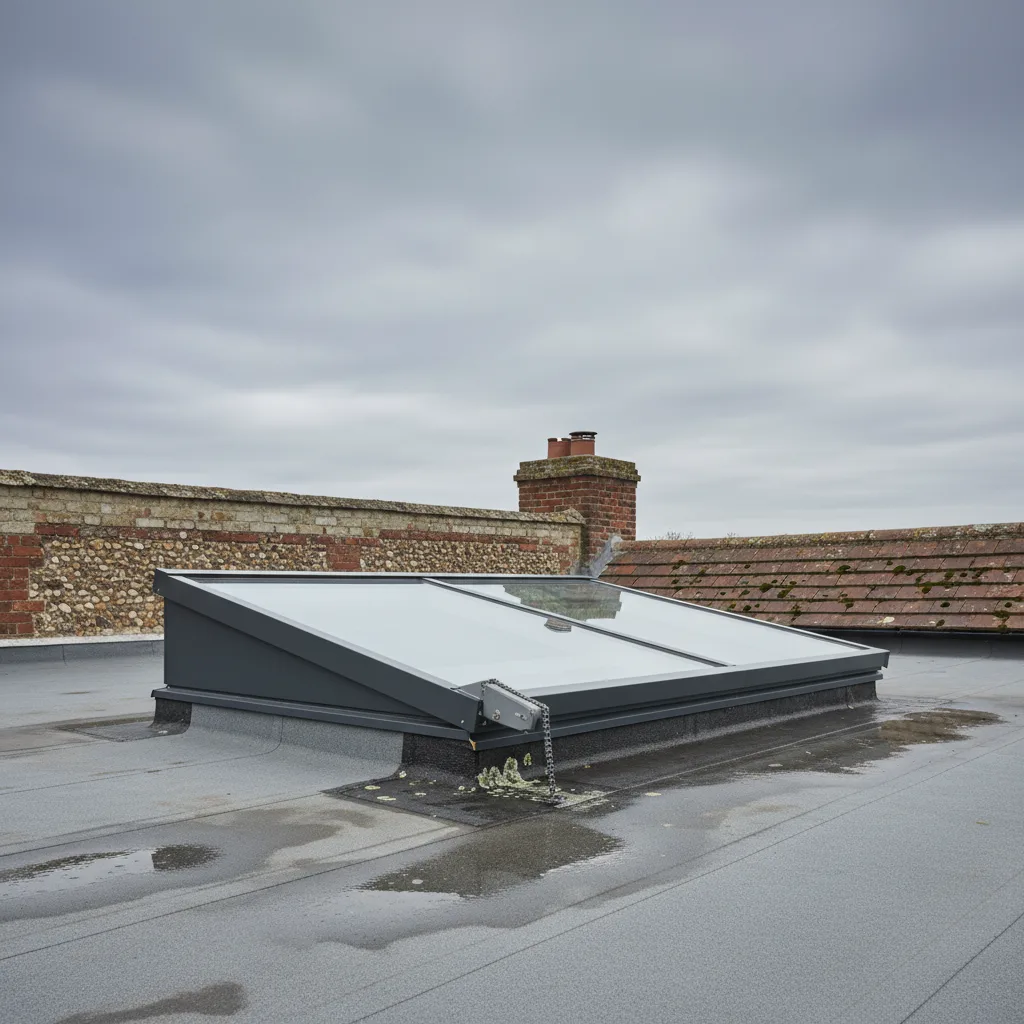 Sun Tunnel Installation
Read more
Parsons Heath lies east of Colchester between Greenstead and the countryside towards Elmstead. Post-war housing for the most part, with later infill and a good deal of rental and family stock around the university.
Shallow pitches

Post-war roofs here are often shallower than the older stock in town, and pitch decides which product is possible. Below about fifteen degrees a roof window is the wrong product, and a rooflight on a kerb is the right one because the kerb supplies the fall the roof does not have.
It takes five minutes to check at survey and it saves specifying something that cannot be fitted.
Replacements

A great many rooflights around here date from the 1990s, which puts them at the end of a sealed unit’s life. Misting is the usual symptom, and it is not an emergency: nothing is getting into the building, the unit has simply lost its cavity and most of its insulating value.
Where several units were fitted at the same time they will fail at roughly the same time, and doing them in one visit shares the access cost across all of them. That is the main argument for replacing them together rather than one a year. It is covered on the replacement page.
Skylight and rooflight work we cover in Parsons Heath

Roof lanterns, flat roof rooflights, roof windows, VELUX replacements, conservation units and sun tunnels, all surveyed before they are quoted. We also work in Greenstead, Highwoods, Wivenhoe.
Post war estate roofs

Parsons Heath sits on the north eastern side of Colchester and the housing is predominantly post war, built from the 1950s onward, with concrete interlocking tiles, pitches around 30 to 35 degrees, and a mixture of traditional cut roofs on the earlier blocks and trussed rafters on the later ones.
That mixture is the first thing to establish, because it decides how wide a rooflight can be and therefore what the job costs.
Checking your own roof structure
You can do this yourself in two minutes with a torch.
Look up in the loft. Rafters running from eaves to ridge, a horizontal purlin partway up, and clear open space between them means a traditional cut roof. Forming or widening an opening is ordinary carpentry and a wide skylight is straightforward.
A repeating pattern of triangular frames with diagonal members crossing the middle of the space, joined by flat pressed steel plates, means trussed rafters. Those are engineered components designed as a whole, and cutting any member changes how the load travels.
With trusses, a unit narrow enough to sit between two of them at 600mm centres needs no structural work at all and is the quick, cheap job. Anything wider needs a designed trimmer and an engineer’s specification, which is the step in cost and the single most common reason a quotation here comes back higher than expected.
Replacement work
A large share of what we do in Parsons Heath is not a new opening at all. Roof windows fitted in the 1980s and 1990s are reaching the end of their sealed unit life, and misting, failing seals and sashes that no longer close properly are common.
A like for like swap into a sound opening is the cheapest job in this trade. Start by photographing the data plate, which is on the top edge of the sash or on the frame beside the hinge, and on a centre pivot window rotating the sash brings it into view. Photograph rather than transcribe: the characters are small, several are easily confused, and a mistyped code buys the wrong window.
Obsolete size codes are normal for units of that age. There are three routes and we will tell you which applies. Adapt the opening to the nearest current size, usually within 40mm or 60mm, which leaves a standard size for the next thirty years. Find another manufacturer at the old dimension, which suits an awkward opening. Or reframe entirely, which makes sense where the timber needs replacing anyway.
What we will not do is force a unit into an opening it does not fit and pack the difference. It lasts about a year before the packing settles and the frame goes out of square. Where a quotation is noticeably cheaper than the others, this is sometimes why.
Doing several at once
Worth saying plainly because it saves real money on these houses.
Access is a fixed cost shared across everything done in the same visit. Two windows replaced together cost meaningfully less than two replaced a year apart. And because they went in at the same time, they will fail at about the same time, so the second one is coming whether you plan for it or not.
If two of three are misted, ask what the third costs while the access is up. It is usually a fraction of doing it separately later.
Flat roof extensions
Common across the estate and steady work for us. The kerb is what we look at first, because on an older or self built extension there frequently is not one.
A rooflight bedded straight onto a flat deck sits in whatever water the roof holds, and every flat roof holds some. A kerb of at least 150mm, with the deck falling away from it and rigid insulation on its outer face, is the difference between a twenty five year installation and trouble in three winters. The insulation is invisible once the covering is dressed over it, which is exactly why it is the first thing left off a cheap quotation.
Access and permissions
Access is generally easy: estate roads, front gardens, off street parking on most properties and space to stand a tower. Single storey extension work rarely needs scaffold.
No conservation designation applies and the housing is not listed, so permitted development normally covers a rooflight provided it projects no more than 150mm beyond the plane of the roof and sits below the highest part of it.
| Local factor | In Parsons Heath |
|---|---|
| Planning authority | Colchester City Council |
| Conservation position | None |
| Typical roof covering | Concrete interlocking tile |
| Roof structure | Trussed rafters |
| Exposure | Inland, standard coatings |
| Most common job here | Flat roof extension rooflights |
Opening, and how you will actually work it

A rooflight that is awkward to open does not get opened, and a room that is never ventilated gets condensation. So the opening method is a comfort decision rather than a luxury one, and it is worth thinking about before the order rather than after.
Manual with a pole. Cheapest and perfectly good up to about two and a half metres. Above that it becomes a chore, the pole lives in a cupboard, and the window stays shut all year.
Mains electric. A wall switch, a handheld remote and a rain sensor that closes the window when it starts raining. The premium on the unit is modest. The wiring is where the cost sits: during a conversion at first fix, a cable to the rooflight position is twenty minutes clipped to a joist. Into a finished room it means lifting flooring above or ceiling below, chasing a wall for the switch drop, and redecorating.
The single most common regret in this trade is fitting manual to save the premium and wanting a motor two years later. If any work is being done, run a capped cable to the position even if you fit a manual unit. It costs almost nothing and it turns a disruptive future job into a cheap one. Photograph where it is before the ceiling closes.
Solar. Carries its own panel and battery, needs no connection at all, and fits in a couple of hours with no disruption below. That makes it the usual answer for retrofit into a finished room, which describes most Parsons Heath jobs. It works better than people expect: the panel needs daylight rather than direct sun, so it functions on a north slope through an East Anglian winter. It opens more slowly, thirty to sixty seconds against fifteen to thirty, which nobody notices in use. The battery is a consumable good for several years and it is replaceable.
The wall switch nobody specifies
Where a system is mains powered, the handheld remote is the thing that comes in the box and it is permanently in another room. A wall switch is always in the same place, anyone can use it without being shown, and it works when a battery is flat.
It needs a cable, which is why it has to be decided at first fix, and it belongs beside the light switches at the room entrance rather than under the rooflight itself.
Condensation, and the collar
The post war housing here holds moisture, and moisture condenses on the coldest surface. Very often that is the glass, and it is not a fault: it appears on cold mornings, forms evenly across the inner face, and has nothing to do with rain.
Water on the plastered reveal rather than the glass is different, and it usually is a fault. The cause is almost always a missing insulation collar, the piece that closes the gap between frame and structure. Without it the reveal is cold enough to condense. It is a separate order line, it is regularly omitted from cheap quotations, and the symptom does not appear until the first cold spell months later.
We fit it as standard rather than as an option, and it appears as a named line on our quotations so you can see it is there.
What happens on the day
Floors covered and a dust barrier at the door first, because the making good is where the mess comes from rather than the roof.
Then the strip out and an inspection of the timber. Where we find decay we stop and tell you what it means before doing anything else, which is why our quotations name a contingency rather than pretending it cannot happen.
Then the frame set and checked square in both directions, the underlay collar dressed and lapped so water passes around the opening, the flashing kit fitted, the covering reinstated over it, the insulation collar in, and the lining made good.
That order is the whole job. Nearly every roof window that leaks does so because a step of it was reversed, and none of it is visible once the work is finished.
Coverings, and getting the flashing kit right
Almost every roof in Parsons Heath is concrete interlocking tile, and that has one consequence worth stating plainly: it needs a deep profile flashing kit, not the flat kit used on slate.
An interlocking tile has a raised profile with a channel running down it. A flat flashing kit, designed to sit against a smooth slate, leaves open voids under those channels where it crosses the tile. Water gets under them within a season, and because it enters below the flashing it appears inside as a leak that seems to come from nowhere.
This is the most common installation fault we find on other people’s work in this part of Colchester, and it is the classic place a cheap quotation saves money, because the kit is a separate order line and nobody sees which one was used once the job is finished.
When comparing quotations, ask which kit is specified for your covering by name and part number. A quotation that cannot answer that has not been written from a survey.
Tiles that break
Concrete tiles from the 1950s and 1960s are generally robust and lift cleanly, which makes the work quicker than on a fragile clay roof. Some will be at the end of their life and a proportion will break on removal regardless of care.
Matching a sixty year old concrete tile is easier than matching handmade clay but it is not always possible, because profiles and colours were discontinued long ago and the survivors have weathered. Where an exact match cannot be found, the answer is to take sound tiles from a rear or hidden slope and put the replacements there, so the visible elevation stays consistent. We allow for a small number of replacements on any roof of that age rather than treating it as a surprise on the day.
Blinds and shading
Worth deciding before the unit is ordered, because it affects which product to choose.
Mass market roof windows have a full accessory range of blinds that clip to the frame without tools: blackout, pleated, venetian and external awnings. They fit exactly and cost far less than a made to measure blind fitted to a reveal.
The distinction that matters is internal against external. An internal blackout blind controls light and privacy and does relatively little about heat, because the sun has already passed through the glass into the room before the blind stops it. An external awning intercepts heat outside the glass and is dramatically more effective in summer, which on a south or west facing unit is the difference between a usable room and an unusable one.
Where a blackout blind is wanted over a bedroom, order it with the window. Retrofitting is possible and it is fiddlier and more expensive.
On a solar powered opening unit, a solar blind runs from its own panel too, which avoids a second wiring question.
Asked by people in Parsons Heath
Is Parsons Heath a straightforward area to work in?
Yes. Post-war housing on trussed rafters with concrete interlocking tile, no conservation designation, and reasonable access. It is one of the more predictable parts of the borough and quotations rarely move after survey.
What is the cheapest way to get more light?
Go taller rather than wider. Lengthening an opening up the slope stays between the same two rafters, so nothing is cut and no engineer is needed. Widening means cutting a truss and carrying its load into its neighbours, which on a trussed roof is designed work and costs several times as much.
Do rooflights leak?
Properly installed ones do not. The failures are the same small set every time: the wrong flashing profile for the covering, no underlay collar, or the covering laid under the flashing rather than over it. Water appearing in cold weather without rain is not a leak at all, it is condensation from an uninsulated reveal.
How far towards Elmstead do you cover?
Out through Parsons Heath and into the countryside beyond. If you are just outside where you think our patch ends, ask anyway.
More areas we cover
Ready to bring the daylight in?
Tell us about your project and we’ll send a clear, fixed written quote, no pressure, no surprises.
- Fixed written price before any work starts
- No pressure, no obligation, no sales calls
- Flexible survey times that suit you
- A reply within one working day