Rooflight and skylight installation in Old Heath
Older housing south east of the town, running down towards the Hythe and the river.

Rooflights we install in Old Heath
Every job is surveyed first. The right unit depends on the roof you have, not on what we would rather sell.
 Roof Lantern Installation
Read more
 Flat Roof Rooflight Installation
Read more
 Roof Window Installation
Read more
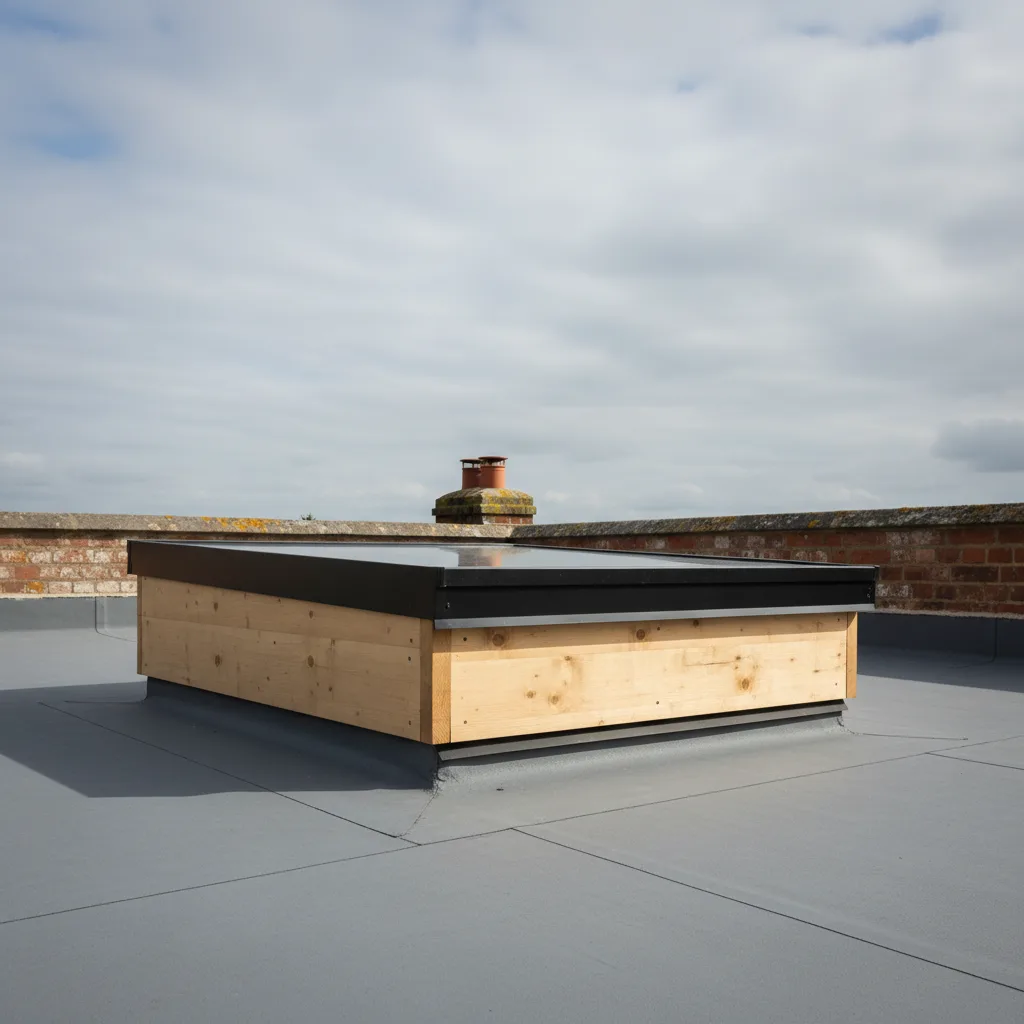 VELUX Window Installation
Read more
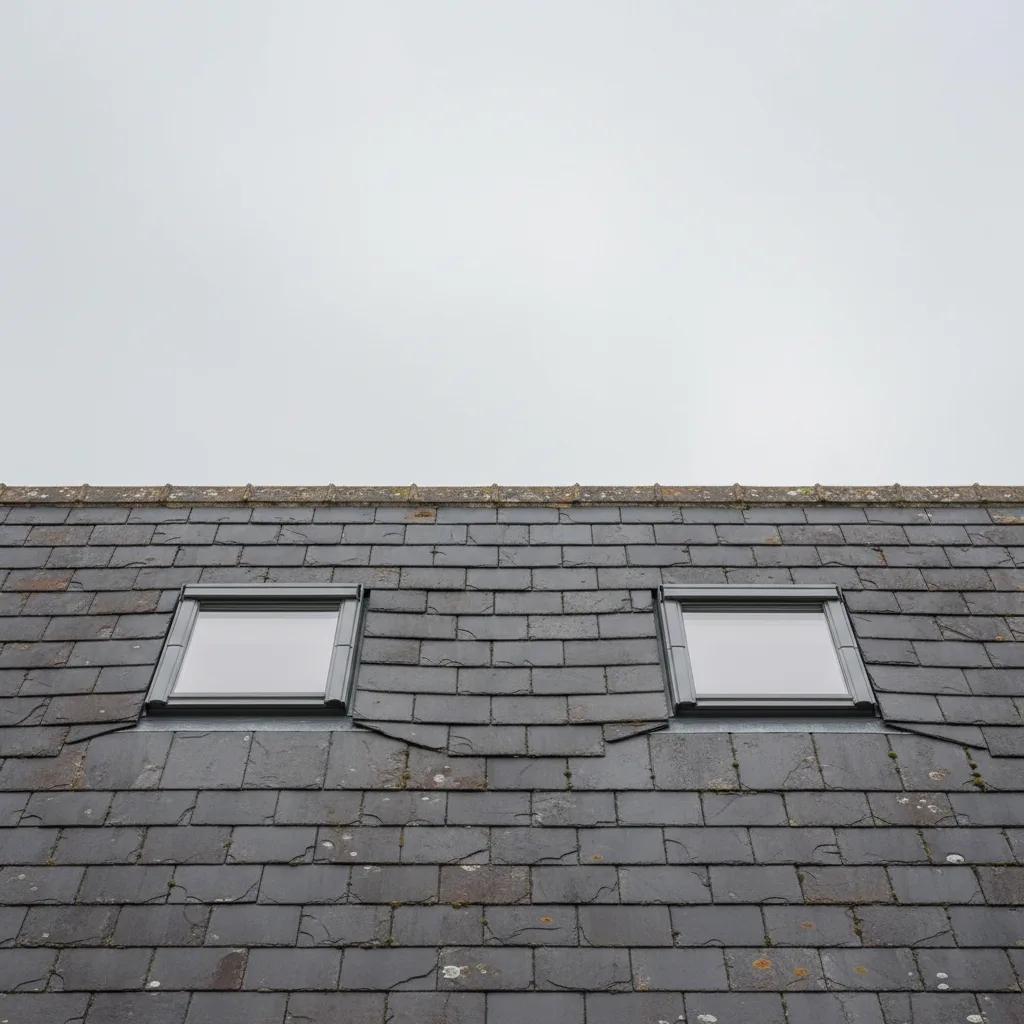 Electric and Opening Rooflights
Read more
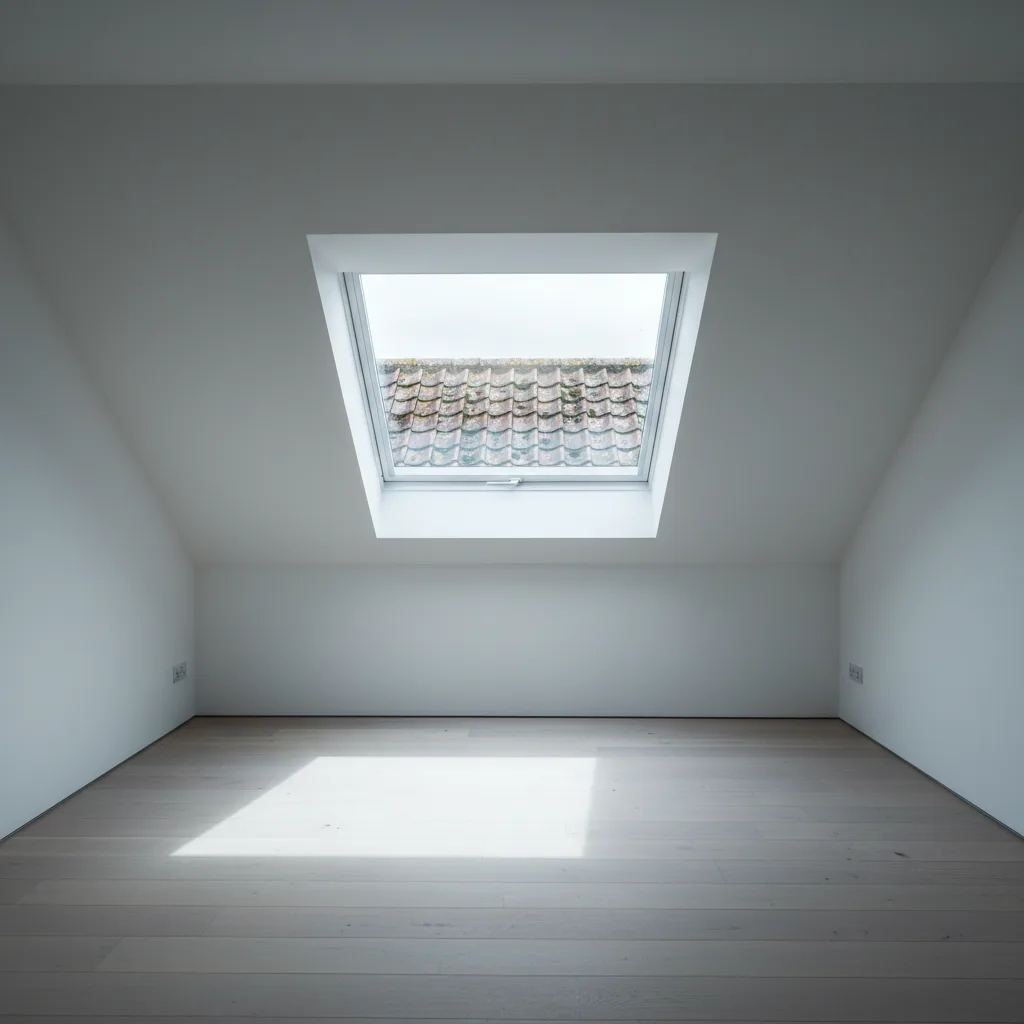 Energy Efficient Rooflights
Read more
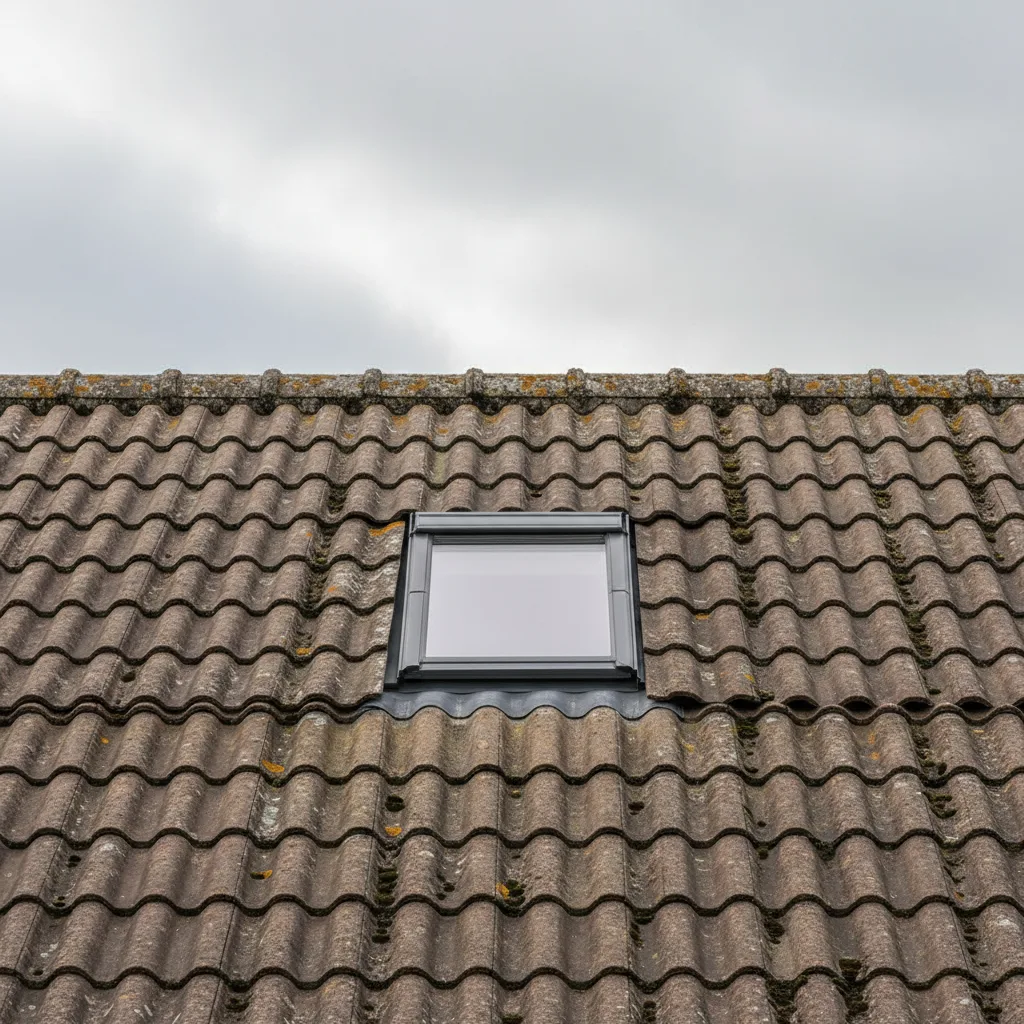 Replacing a Failed or Misted Rooflight
Read more
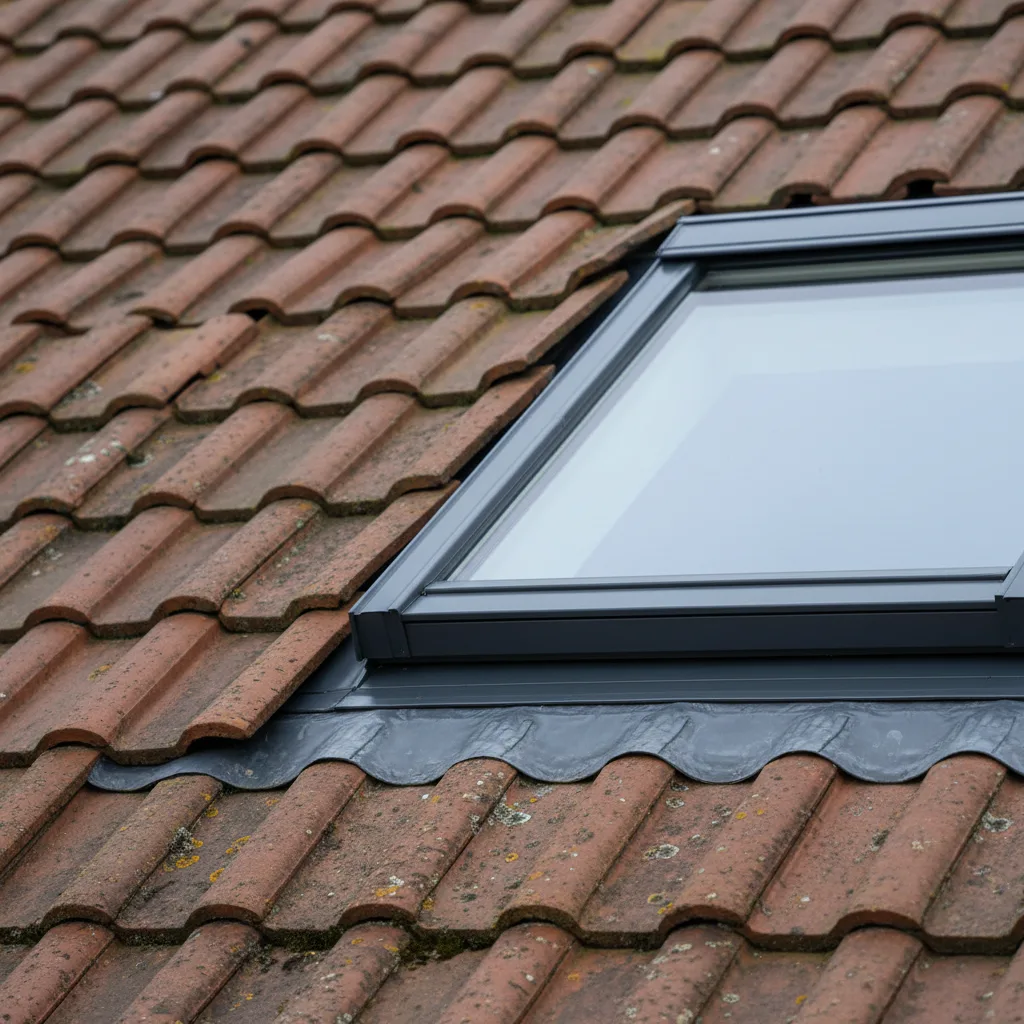 Walk-On Rooflight Installation
Read more
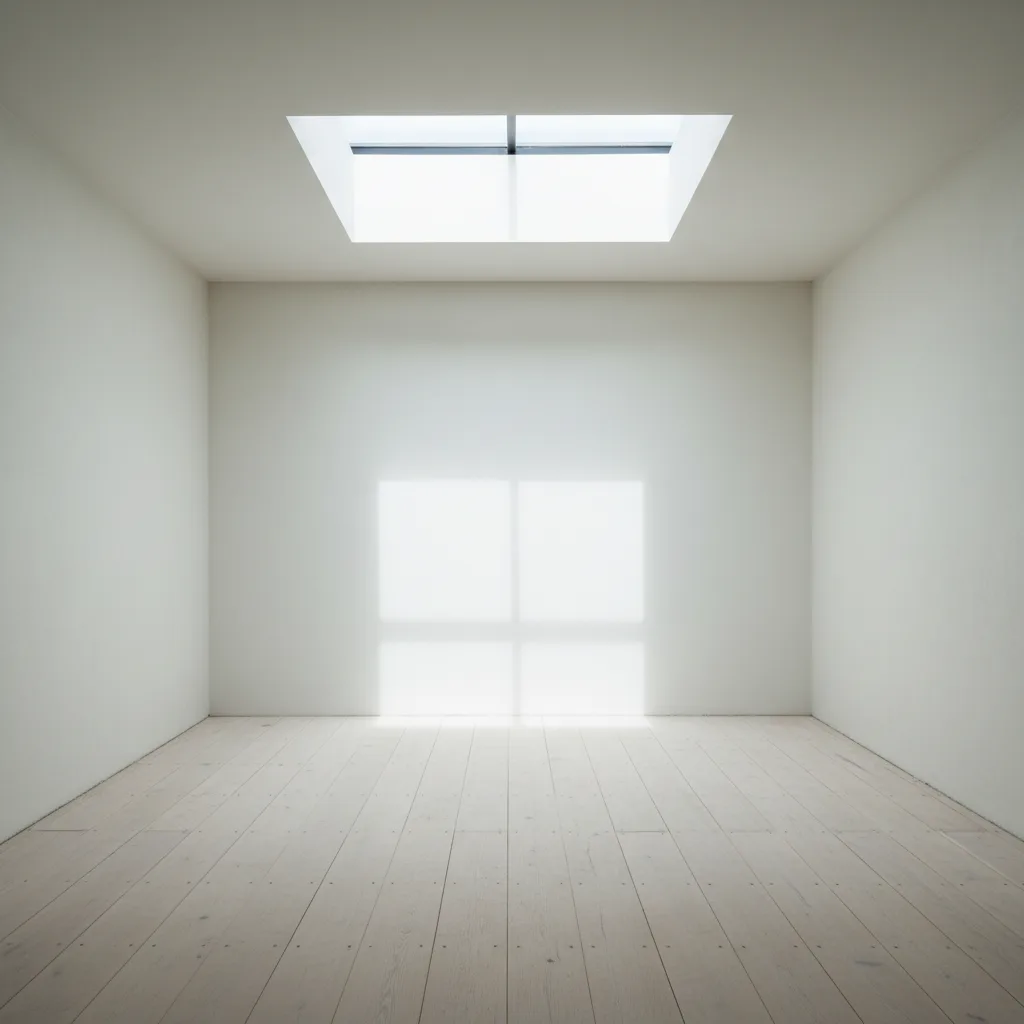 Conservation Rooflight Installation
Read more
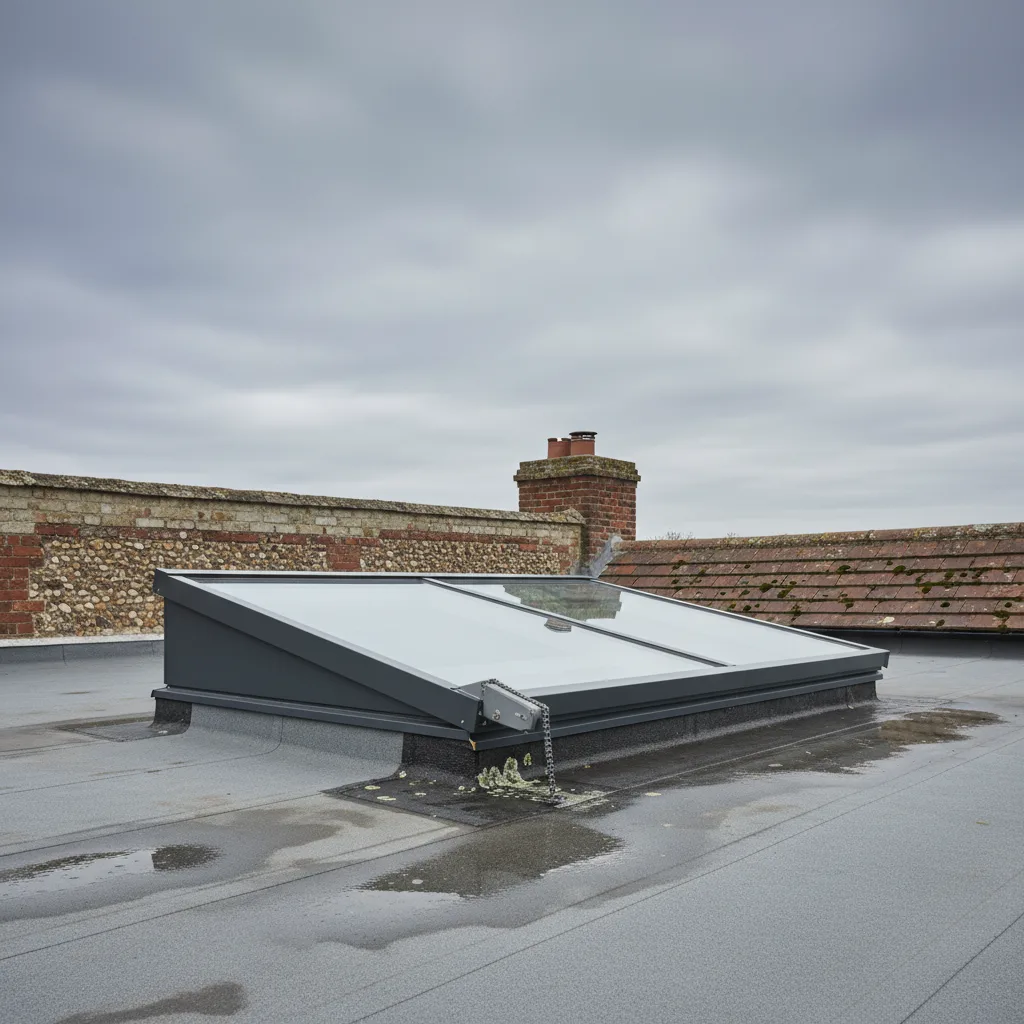 Sun Tunnel Installation
Read more
Old Heath runs south east from the town towards the Hythe and the Colne. The stock is older than the estates further north: Victorian and Edwardian terraces closer to the river, inter-war and post-war housing behind them.
Terraced roofs

Terraces bring their own constraints. The roof is shared with the neighbours either side, valleys and party walls are close, and there is often less room to position a roof window than the plan suggests.
Two rules apply. A rooflight needs clear distance from a valley, because a valley carries a great deal of water and a unit set into one will leak. And it needs clear distance from the party wall, both for the flashing and because the fire separation between properties has to be maintained.
Rear additions

The Victorian stock here often has a two storey rear addition with a lean-to roof, which is one of the more useful roofs in this trade. A rooflight in a lean-to slope lights a dark middle room that has no other source of daylight, and the pitch is usually adequate.
Damp and condensation

Older housing near the river, with solid walls and limited ventilation, is prone to condensation, and a new rooflight is often blamed for something that was already happening. The distinction matters: condensation forming on the inside face of new glass is usually a ventilation problem, whereas moisture between the panes is a failed unit. We will say which it is honestly rather than sell a replacement for a problem a fan would fix.
Skylight and rooflight work we cover in Old Heath

Roof lanterns, flat roof rooflights, roof windows, VELUX replacements, conservation units and sun tunnels, all surveyed before they are quoted. We also work in Greenstead, Berechurch, Wivenhoe.
Two kinds of house, one postcode

Old Heath was a village before Colchester reached it, and the roofs still show it. There is an older core of nineteenth century cottages and terraces around the original settlement, and around that a large amount of interwar and post war housing built as the town expanded south toward the Hythe.
The two need different work and it is worth knowing which one you have before reading a quotation.
The older terraces and cottages
Steep pitches, small plan depths, and coverings that are a mixture of natural slate and plain clay tile depending on when each row was built and whether it has been reroofed since.
Plain clay tiles are the covering we approach most carefully in this trade. They are small, they are laid in double lap, and old ones are brittle. Lifting them to form an opening is slow work and a proportion will break regardless of how carefully it is done. Sourcing matching replacements for a weathered handmade tile is a real task, and the usual answer is to take sound tiles from a rear or hidden slope and put the new ones there.
Underlay is the other question. A roof of this age that has not been stripped and reroofed may have none, and modern rooflight weathering assumes a membrane to lap into. Where there is not one, the detailing is built around the opening instead. It is entirely normal and it needs to be priced rather than discovered.
Rafters in these roofs are often smaller in section than modern ones and irregularly spaced. Where a wider skylight is wanted, trimming is likely, and on a small terrace roof that is a genuine structural consideration rather than a formality.
Condensation, which is not a leak
More relevant in the older Old Heath housing than almost anywhere, and the single most common thing we are called out to that turns out not to be a fault.
An older cottage with modern heating, modern airtightness measures and no ventilation strategy produces a lot of moist air with nowhere to go. It condenses on the coldest surface in the room, which is very often the glass of a rooflight or the plaster reveal around it. Water appears, it runs, and it looks exactly like a leak.
Telling them apart is straightforward once you know what to look for. Condensation appears on cold mornings, is worst in winter, forms on the inside face of the glass or evenly around the reveal, and is unrelated to whether it has rained. A leak follows rain, appears at one point rather than evenly, and often leaves a mark that persists after it dries.
Where it is condensation on the reveal specifically, that usually does point at an installation problem: a missing insulation collar. The collar closes the gap between frame and structure, and without it the reveal is cold enough to condense. It is a separate order line, it is commonly omitted from cheap quotations, and its absence shows up months later when nobody connects the two.
The post war housing
Different roofs entirely. Concrete interlocking tiles, pitches around 30 to 35 degrees, and increasingly trussed rafter structures on the later blocks.
Profiled tiles need a deep flashing kit rather than the flat kit used on slate, and trussed roofs limit opening width to the truss spacing unless a designed trimmer is installed. Both are routine, both change the price, and both are the sort of thing an honest quotation says out loud.
These houses take a straightforward roof window very well and a lot of what we do here is exactly that: one or two units in a rear slope to bring daylight into a landing or a converted loft.
Replacement work
A substantial share of what we do in Old Heath is replacing units that have failed rather than fitting new ones. Sealed units on rooflights last fifteen to twenty five years, and a great many went into this part of Colchester in the 1990s.
A like for like swap into a sound opening is the cheapest job in this trade. The size code is frequently obsolete, which is normal and solvable, usually by adapting the opening slightly to the nearest current size and making good the reveal. What we will not do is force a unit into an opening it does not fit and pack the difference, which survives about a year before the frame goes out of square.
Access and parking
The main practical constraint here. The older terraces have no off street parking, narrow frontages directly onto the pavement, and in places no side access to the rear at all. Where scaffold has to go up at the front over a pavement, a licence from the highway authority is needed and it takes time to arrange.
Where there is no side access, materials and scaffold sometimes have to come through the house, which is entirely normal and needs planning rather than improvising. We would rather establish it at survey than turn up and find out.
The post war roads are much easier, with driveways and space to stand a tower.
Getting a price
A photograph of the roof from outside, one of the front of the property showing the access, and one of any existing unit’s data plate. Between those we can usually tell you what the job is and roughly what it costs.
| Local factor | In Old Heath |
|---|---|
| Planning authority | Colchester City Council |
| Conservation position | None |
| Typical roof covering | Clay plain tile and concrete interlocking |
| Roof structure | Mixed cut roofs and trussed rafters |
| Exposure | Inland, close to the Colne but sheltered |
| Most common job here | Replacement units and flat roof extensions |
Permission, and when it applies here
Most of Old Heath sits outside any conservation designation, which means the ordinary permitted development rules apply to houses: a rooflight is generally permitted provided it projects no more than 150mm beyond the plane of the roof and does not sit above the highest part of it, with additional obscure glazing and opening restrictions on side elevations facing a boundary.
Two exceptions are worth checking rather than assuming.
Listed buildings. There are individually listed properties in and around the older core. A listing removes permitted development entirely and listed building consent is required for a rooflight or skylight regardless of which slope it goes in or whether anybody can see it. It is not a planning irregularity to skip it, it is a criminal offence, which is a distinction worth being clear about.
Flats and maisonettes. No permitted development rights at all, listed or not. Any rooflight in a flat needs an application, and usually the freeholder’s consent as well.
Where an application is needed, a precise one gets a faster answer. Name the product, give the model and size, and include the manufacturer’s section drawing showing how far the unit stands above the covering, because that drawing answers the question the officer actually cares about. We prepare that material as part of the job.
Sun tunnels in the terraces
The older Old Heath terraces have narrow plans and internal bathrooms and hallways with no external wall and no available slope. That is exactly the situation a sun tunnel solves and it is a large part of what we fit around here.
A rigid mirrored tube runs from a small dome in the roof down to a diffuser in the ceiling and brings genuine daylight into a room that has never had any. It is the cheapest daylight in this trade by a distance, and the roof component is small and low enough that on a rear slope it is effectively invisible from the street, which matters near the older core.
It is not a rooflight and we will not pretend otherwise. There is no view, no ventilation and no sense of sky. What there is, on a dull afternoon, is enough soft light to walk into a windowless bathroom without reaching for the switch, and for the money that is a good proposition.
Size it properly. Output goes with area rather than width, so 350mm passes roughly twice the light of 250mm. And insulate the tube where it crosses the cold loft, because a metal tube through unheated space collects condensation and the water arrives at the diffuser looking exactly like a leak.
Extensions toward the Hythe side
The post war housing on the eastern side of Old Heath has gained a lot of rear extensions, and flat roof skylights over them are steady work.
The first thing we look at is the kerb, because on an older or self built extension there frequently is not one. A rooflight bedded straight onto a flat deck sits in whatever water the roof holds, and every flat roof holds some. A kerb of at least 150mm, insulated on its outer face, with the deck falling away from it, is the difference between a twenty five year installation and a problem in three winters.
The insulated outer face is the detail nobody mentions. A 1200 by 1800 rooflight has six metres of perimeter, and an uninsulated timber kerb punching through the roof insulation presents nearly a square metre of poor performing envelope. It is a sheet of rigid insulation and an hour, it is invisible once the covering is dressed over it, and that is exactly why it gets skipped.
What it costs
The variables here are access and what is found. A rear slope reachable from a tower on one of the post war roads is at the cheap end. A front elevation on a terrace with no off street parking, needing a highway licence for scaffold, is at the other, and the licence is a real line rather than a rounding error.
On any older property we name a contingency for decayed timber rather than pretending it cannot happen. On a unit that has been failing quietly for years it is a real possibility.
What we will not do
Worth stating plainly, because several of these are things other quotations include.
Force a unit into an opening it does not fit. Packing the difference lasts about a year before the packing settles, the frame goes out of square and the sash stops closing. Where a size is obsolete, we adapt the opening properly or order to fit.
Drill and dry a misted sealed unit. The visible misting clears, the seal is not restored, the argon has gone and is not coming back, and the unit then deliberately breathes outside air with a spent desiccant. On an overhead unit at height the labour to do it is most of the labour to replace it properly.
Fit a standard rooflight where somebody intends to walk on it. Walk on specification is either there in writing from the manufacturer or it is not, and no amount of experience substitutes for it.
Use a universal flashing kit on a profiled covering. It leaves voids under the tile profile that water finds within a season, and it is invisible once the job is finished.
Start a strip out if the forecast will not let us close it the same day. That occasionally costs us a day and it has never cost a customer a ceiling.
Asked by people in Old Heath
What is the roof stock like in Old Heath?
Older than the estates further north. More traditional cut roofs, more plain clay tile and slate, and more variety generally. That means more surveys turn up a purlin in the way or irregular rafter spacings, and rather more of them justify a made to measure unit.
Does being near the Colne affect anything?
Exposure is higher than inland Colchester but nothing like the open coast. It argues for good flashing detail and, on anything with aluminium, a decent coating specification. It is not the marine-grade conversation you would have at Mersea or Walton.
Is there a conservation area in Old Heath?
Parts of the older stock towards the Hythe have protection. Confirm the address rather than the district: conservation boundaries follow streets, not neighbourhoods, and a house on one side of a road can sit inside where its neighbour opposite does not.
Can you replace a rooflight without scaffolding?
Sometimes, on a modest two storey rear slope reachable safely. A steep roof, a third storey, or a run of several units is a scaffold job. Where one quotation is markedly cheaper than the others, access is the first place to look for the difference.
More areas we cover
Ready to bring the daylight in?
Tell us about your project and we’ll send a clear, fixed written quote, no pressure, no surprises.
- Fixed written price before any work starts
- No pressure, no obligation, no sales calls
- Flexible survey times that suit you
- A reply within one working day