How long does a roof window last?
Twenty to twenty five years for the sealed unit. The frame usually outlives it.
Part of our Roof Window Installation guide
Different parts have different lives, and it is worth separating them because the answer to “does it need replacing” often depends on which part has failed.
The sealed unit: twenty to twenty five years
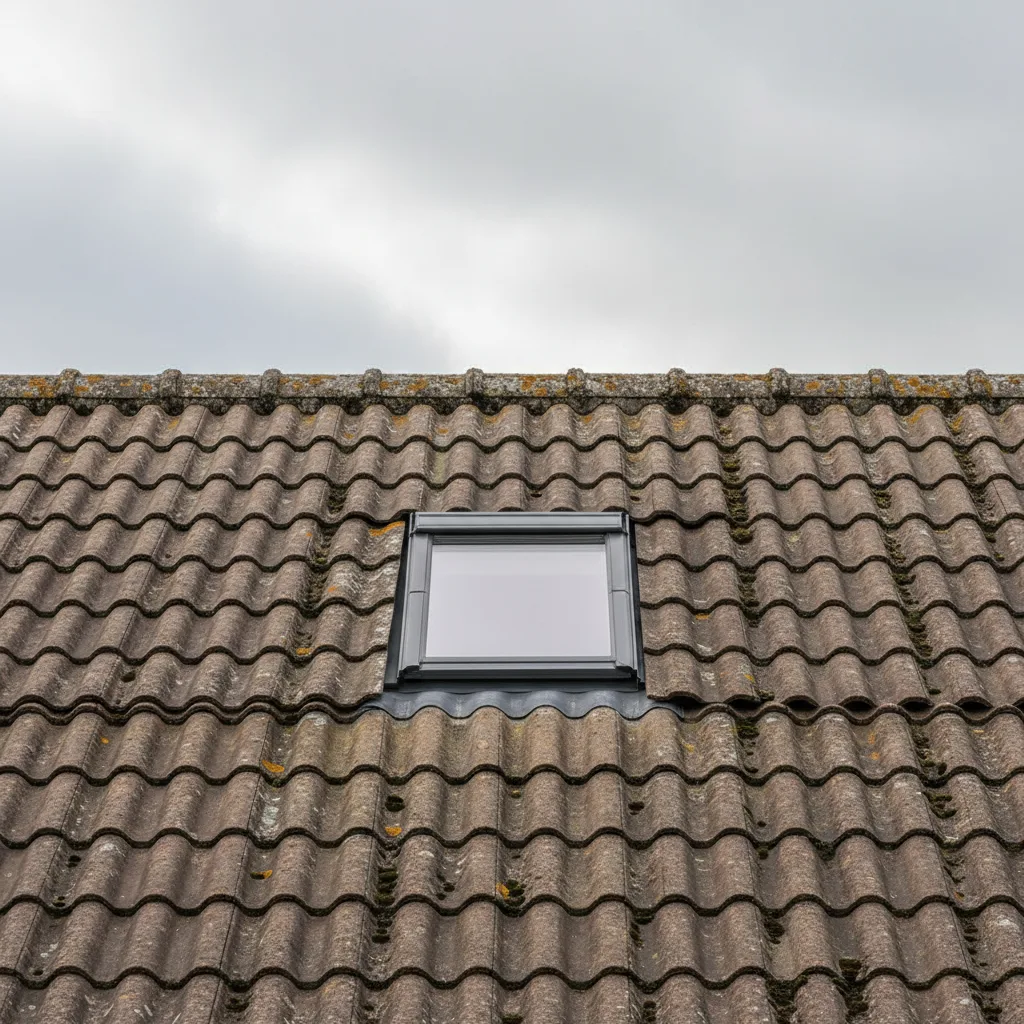
The seal around the double glazed unit is the first thing to go. When it fails, moist air enters the cavity and condenses on the inside where it cannot be cleaned. That is the misting, and it is permanent.
Overhead units fail sooner than vertical windows: more thermal cycling from cold at dawn to hot by midday, and water sits on them rather than running off, so the seal is wet more of the time.
The frame: thirty years and up
A well maintained timber frame with an intact finish, or a polyurethane frame, will comfortably outlast the glass. The frames we find failing are usually ones where the finish was let go and water got into the timber, or where a leak went unaddressed for years.
Moving parts: variable

Hinges, catches and friction stays wear. They are usually replaceable rather than terminal, and worth replacing rather than replacing the window.
Electrical components: ten to fifteen years
Motors, control units and rain sensors have the shortest life of anything on the window. Usually replaceable individually.
What shortens it

Coastal exposure, which on the Tendring coast is real: salt attacks coatings and fixings and units at Walton or Mersea age faster than the same units at Braintree. Poor installation that lets water sit against the frame. And letting a timber finish fail without recoating.
What that means practically
If your windows went in during the late 1990s, they are due. If several went in together they will fail together, and replacing them in one visit shares the access cost across all of them.
Twenty five years, with the glazing setting the limit

The component with a defined life is the sealed glazing unit, and fifteen to twenty five years is the honest range. That is the perimeter seal giving up after decades of daily thermal cycling rather than a manufacturing fault.
Everything else outlasts it. Frames, flashings and the structure around the opening comfortably go beyond, and on a well fitted installation replacing the unit at end of life is a straightforward swap into the existing opening.
Why a rooflight seal works harder
It sits horizontally or near horizontally under standing water rather than shedding it, and it faces the sky, so the cavity gas expands and contracts through the full temperature swing of a clear night and a sunny afternoon, every day, for decades.
That daily pumping is what eventually works the seal loose, and it is why a rooflight unit does not last as long as the same glazing in a wall.
Component by component

Sealed unit: fifteen to twenty five years, toward the shorter end on a coastal or exposed roof.
Actuator on a motorised unit: ten to fifteen. A serviceable part, swapped in under an hour.
Gaskets: fifteen to twenty, and their life depends almost entirely on being kept clean.
Aluminium clad timber frame: thirty years and more, because the cladding takes the weather and the timber stays dry behind it.
Flashings: longer than the window, and they should still be replaced with it rather than reused.
What cuts the life short
A dirty gasket. Standing water on a flat roof unit. A rigid installation in a building that moves. And forcing a unit into an opening it does not fit and packing the difference, which survives about a year.
What extends it

A gasket clean once a year, a filter clean, keeping flat roof perimeters clear, and cycling a motorised unit fully a few times a year. None of it takes long.
How you will know
Misting between the panes that cannot be wiped off either face. Not a safety issue, nothing is going to fall out of the roof, and it does not improve on its own.
What to keep, and where

The Building Control certificate, the written specification naming the unit, the glazing and the flashing kit, and the workmanship guarantee. All three belong with the house paperwork rather than in a drawer.
In fifteen years nobody will remember which company did the work or what was fitted, and identifying a unit again from a data plate at height is more effort than filing a piece of paper.
It also matters at sale, because a conveyancing solicitor will ask for evidence that notifiable building work was notified, and producing the certificate takes a minute where reconstructing it takes weeks.
Where we fitted the original we keep our own record of the specification, so if the paperwork goes astray we can usually tell you what is up there.
Different components, different lifespans
The sealed unit is the limiting factor: fifteen to twenty five years before it mists. A rooflight works harder than a vertical window because of the temperature swings and direct sun, so the shorter end of that range is common.
The frame outlasts the glass comfortably where it is protected. Factory finished timber with external cladding, or a modern polyurethane finish, will go decades.
Gaskets harden and stop recovering after compression, typically around the same point as the glass.
Hinges and mechanisms depend on use. Adjustable for a long time, then not.
External cladding can corrode or lift, and once it does the timber underneath is exposed.
Water at the sill, and what it does

Water sitting at the sill, because a blocked drainage channel keeps the bottom edge of the unit permanently wet and attacks the seal from outside. This is the single biggest avoidable factor and a wipe once a year prevents it.
A slow leak in the flashing wetting the frame from behind.
Painted timber in a bathroom or kitchen where the finish is allowed to fail before it is renewed.
High humidity inside with no ventilation, which loads the internal face constantly.
The annual five minutes
The annual five minutes: wipe the gasket, clear the sill channel, wash the filter, look at the flashing.
And getting the installation right in the first place, particularly the underlay collar and the insulation around the frame, because a window that has been slowly wetted from behind for fifteen years fails early regardless of how it is maintained.
More on Roof Window Installation
Ready to bring the daylight in?
Tell us about your project and we’ll send a clear, fixed written quote, no pressure, no surprises.
- Fixed written price before any work starts
- No pressure, no obligation, no sales calls
- Flexible survey times that suit you
- A reply within one working day