Roof windows in a bedroom and blackout
An east facing loft window is light at a quarter to five in June. Blackout blinds are not optional.
Part of our Roof Window Installation guide
A roof window faces the sky rather than a building opposite, so it receives more early light than any window in a wall. In a bedroom that is the defining consideration.
Sunrise
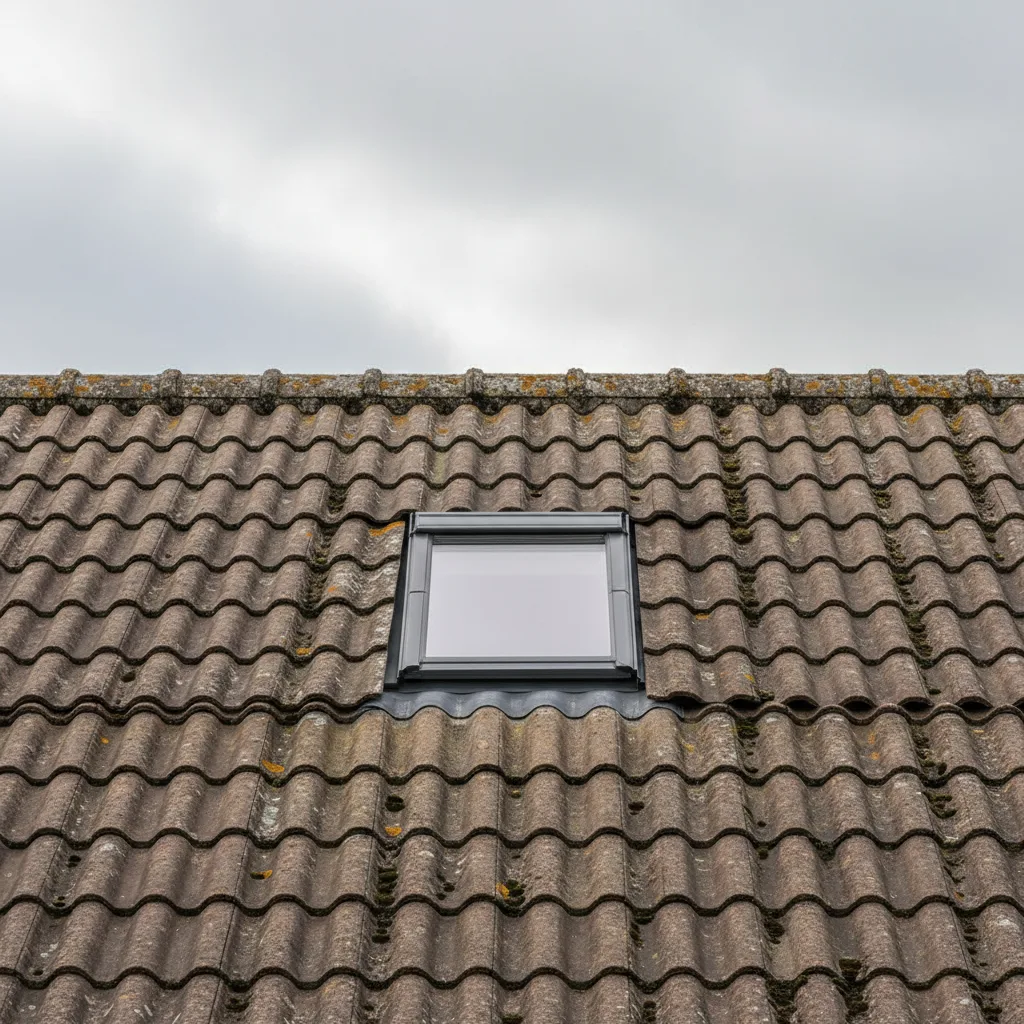
In late June the sun is up before five o’clock. An east facing roof window with no blind will wake most people, and it will certainly wake a child.
Even north facing, the sky is bright well before sunrise in midsummer.
Side channels are the point

A blackout blind is only as good as its edges. A roller blind hanging in front of the window leaks light down both sides, and on a sloped window it also sags away from the glass.
A proper blackout blind for a roof window runs in side channels fixed to the frame, holding the fabric against the glass along its whole length. That is what actually darkens the room.
Ask specifically about side channels. It is the difference between a blackout blind and a dark blind.
Fit at installation

The brackets locate into the frame. Doing it at installation is neater and usually cheaper than a separate visit, and if the window is above reach an electric blind wants its power feed run at first fix.
Noise

The other bedroom consideration. Rain on glass with nothing above it is audible, and while most people find it pleasant, some do not.
Asymmetric or acoustic laminated glass reduces it noticeably and has to be specified at order. It cannot be changed later without changing the glass, so if anyone in the household is a light sleeper it is worth the modest cost now.
Ventilation

Two adults asleep produce a lot of moisture overnight. Leave the ventilation flap open and clean the filter once a year, or the cold glass above the bed becomes the place it all condenses.
Order the blind with the window

A roof window faces the sky, which means an east facing one admits daylight from very early on a June morning and a west facing one keeps a room bright until late. In a bedroom that is the single thing people most often wish they had planned for.
A proper blackout blind for a roof window runs in side channels so light does not leak past the edges. That is what distinguishes it from an ordinary blind, and it genuinely blacks out rather than dimming.
Why order it with the window

Blinds for mass market roof windows clip into channels built into the sash. They are matched to the model and size code, they fit exactly, they go on without tools, and they cost far less than a made to measure blind fitted to a plaster reveal.
Ordering with the window means the sizing is certain and the blind is fitted on the same visit at no extra access cost.
Retrofitting is entirely possible and it means another visit.
Manual or motorised

In a bedroom the window is usually within reach, so manual is fine and considerably cheaper.
Motorised earns its cost above about two and a half metres, or where you want the blind to close on a schedule. Solar versions need no wiring at all, and on a solar powered opening window the blind runs from the same principle.
The other half of the answer
Heat, which a blackout blind does not solve. An internal blind stops the sun after it has entered the room, so a south or west facing bedroom rooflight with a blackout blind can still be uncomfortably warm.
Solar control glass, specified at order, addresses that permanently. On a bedroom the combination of solar control glazing and a blackout blind is the right specification.
Rain noise over a bed
Worth deciding at the same time. Rain on a roof window is louder than people expect, particularly directly above a bed. An acoustic laminate inner pane cuts it substantially, costs a modest premium at order, and cannot sensibly be added later.
Escape
In a habitable loft bedroom the roof window frequently carries the means of escape duty, which brings a minimum clear openable area and a maximum sill height. A top hung unit that swings clear generally satisfies it where a centre pivot does not.
That is settled at design stage, before any decision about blinds.
Why an ordinary blind will not do it
A blind on a vertical window hangs, and gravity holds it flat against the glass. On a raked roof window it cannot hang, so it has to be held against the glazing along its whole travel.
That is what side channels do, and they are the entire reason a purpose made roof window blind blacks out and a generic one does not.
Without channels the fabric stands away from the glass at the edges, and light pours down two vertical strips either side. In a bedroom in June, that is the difference between sleeping and not.
Fit it at installation
A manufacturer blind is made to the window size code and clips onto brackets on the frame. No drilling, no measuring, and it goes on in minutes while the fitter is already there and already at height.
Fitted afterwards it means a ladder on a finished floor, working overhead above furniture, or a call out charge for one small task.
And a frame mounted blind rotates with the sash on a centre pivot window, so the window still opens normally. A blind fixed to the plaster reveal does not, and it obstructs the window every time you use it.
The extra benefits
A blackout blind pulled down traps still air against the glass, which measurably reduces heat loss on a cold night and heat gain on a hot afternoon.
For summer overheating specifically, an external awning blind does far more, because it stops solar energy before it reaches the glass. In a south facing bedroom, the pair together is the complete answer.
More on Roof Window Installation
Ready to bring the daylight in?
Tell us about your project and we’ll send a clear, fixed written quote, no pressure, no surprises.
- Fixed written price before any work starts
- No pressure, no obligation, no sales calls
- Flexible survey times that suit you
- A reply within one working day