Rooflight Guides
Longer pieces on the parts of the job that decide whether a rooflight lasts.
120 pages across 10 subjects
These are the longer pieces. They cover the parts of the job that decide whether a rooflight works in ten years: the kerb, the fall, the flashing kit, the vapour control layer, the glass specification and the rules that apply to all of it.
They are written for someone deciding what to buy, not for someone fitting it themselves. Where the honest answer is that a detail is not a DIY job, they say so.
What these guides are for

A guide covers a whole subject properly. Where an answer deals with one question in a few hundred words, a guide takes a topic you would otherwise have to piece together from a dozen sources and sets it out in one place, in order, with the trade offs stated.
They are written for the person doing the deciding rather than for the trade. That means no assumed vocabulary, no unexplained product codes, and no pretending a choice is obvious when it is a genuine judgement call.
The subjects covered
Choosing. How to work out what type of rooflight suits a roof, a room and a budget. Pitched against flat, fixed against opening, one large opening against several small ones, and the questions worth answering before anybody quotes.
Glass and performance. What the numbers on a specification actually mean, which ones matter, how to compare two quotations that describe the same product differently, and where the heat really leaves a rooflight installation. This is the area where a small amount of understanding saves the most money.
Permissions and regulations. Permitted development, conservation areas, Article 4 directions, listed building consent, Part L, Part F and Part O. Which apply to your situation, in what order, and what each one actually asks for.
Installation and detailing. How a rooflight is weathered into a roof, what an insulation collar does, why the kerb matters more than the glass, and the details that separate an installation that lasts twenty five years from one that causes trouble in three. Worth reading even if you are not doing the work yourself, because it tells you what to ask a quoting installer.
Problems and maintenance. Diagnosing leaks against condensation, what wears out and when, what routine care actually consists of, and when a repair beats a replacement.
Local context. Colchester and the surrounding villages have particular building stock, particular constraints and a particular set of conservation designations. Several guides deal with what that means in practice for a roof around here rather than in the abstract.
How to read them
Start with the guide that matches where you are in the process. If you do not yet know what you want, start with the choosing guides. If you know what you want and are collecting quotations, the performance and installation guides will tell you what to look for in them. If something has gone wrong, start with the problem guides.
Each guide links to the answers that deal with its individual questions and to the service page for the work itself, so you can go deeper or move toward a quotation without going back to the start.
Where we have an opinion, we say so
Several of these guides recommend against something we would be paid to fit, and several recommend a cheaper option than the one people usually ask for. That is deliberate. A guide that only ever points at the expensive answer is a brochure, and you would be right not to trust it.
Where the honest answer is that a decision comes down to preference and budget rather than to a technical right answer, the guide says that too.
How long they take to read
Most guides run to a few thousand words, which is fifteen to twenty minutes. That is longer than a blog post and considerably shorter than the time you would spend collecting the same information from product literature, planning portals and forum threads.
They are structured so you can stop early. The decision or the short answer comes near the top, the reasoning and the detail follow, and the exceptions and edge cases sit at the end. If you only want to know what to do, the first few minutes will tell you. If you want to know why, keep going.
Written from installed work
Everything in the guides comes from roofs we have actually opened up around Colchester and north Essex, which is why the failure modes described are the ones that really happen rather than the ones a manufacturer’s literature anticipates. Where a guide says a detail is regularly skipped, it is because we keep finding it skipped.
Kept up to date
Building Regulations change, permitted development rules change, product ranges are discontinued and size codes go obsolete. Where a guide is tied to a rule or a product, we revisit it when the rule or the product moves rather than leaving it to age quietly.
Where a guide describes a judgement rather than a rule, it reflects how we actually work rather than an industry position, and we will say so plainly.






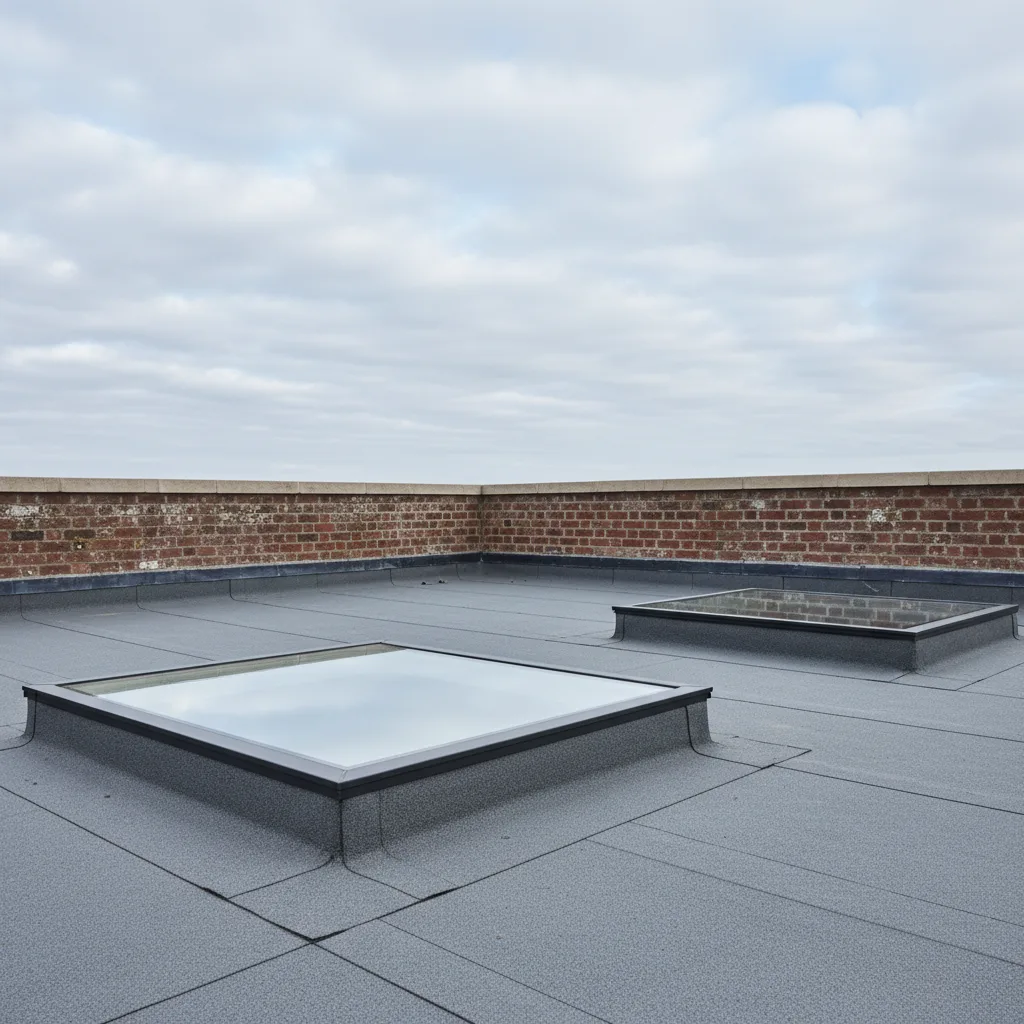
The guides people read first
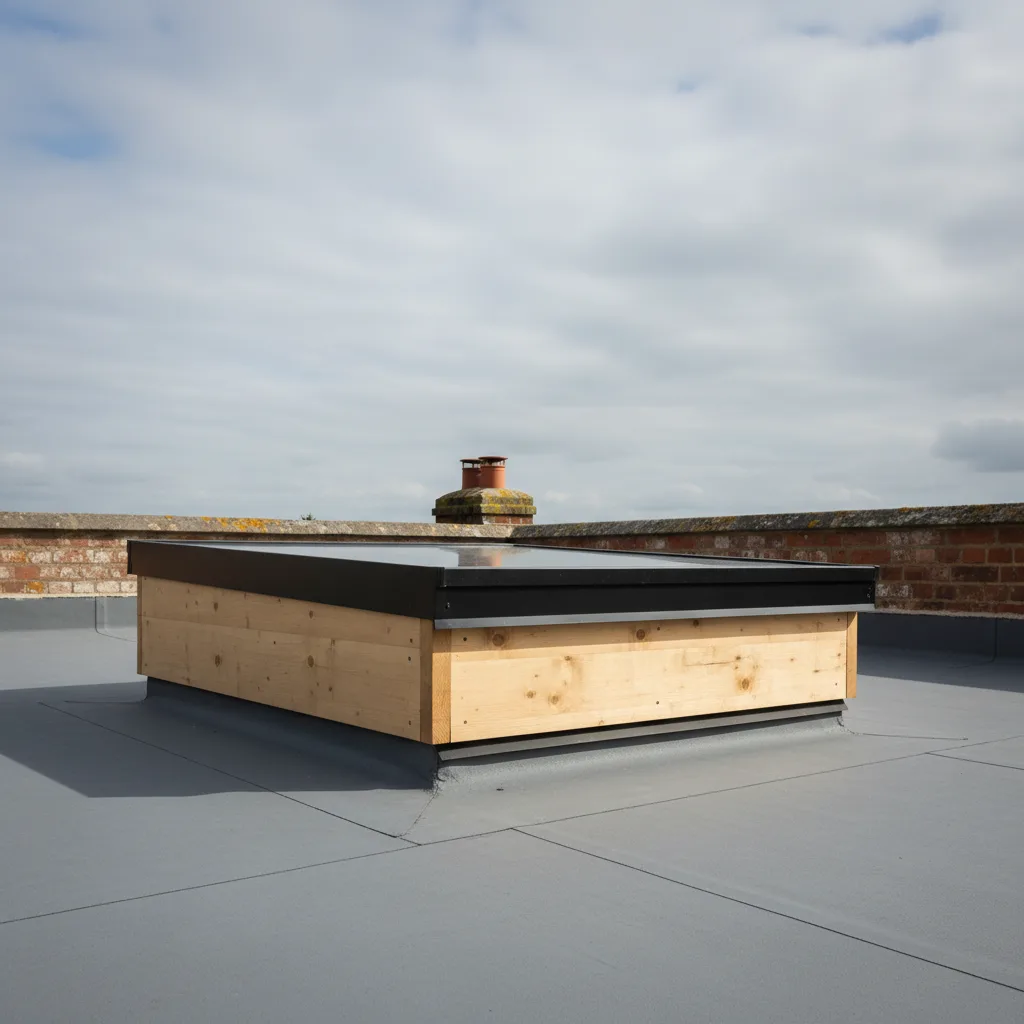
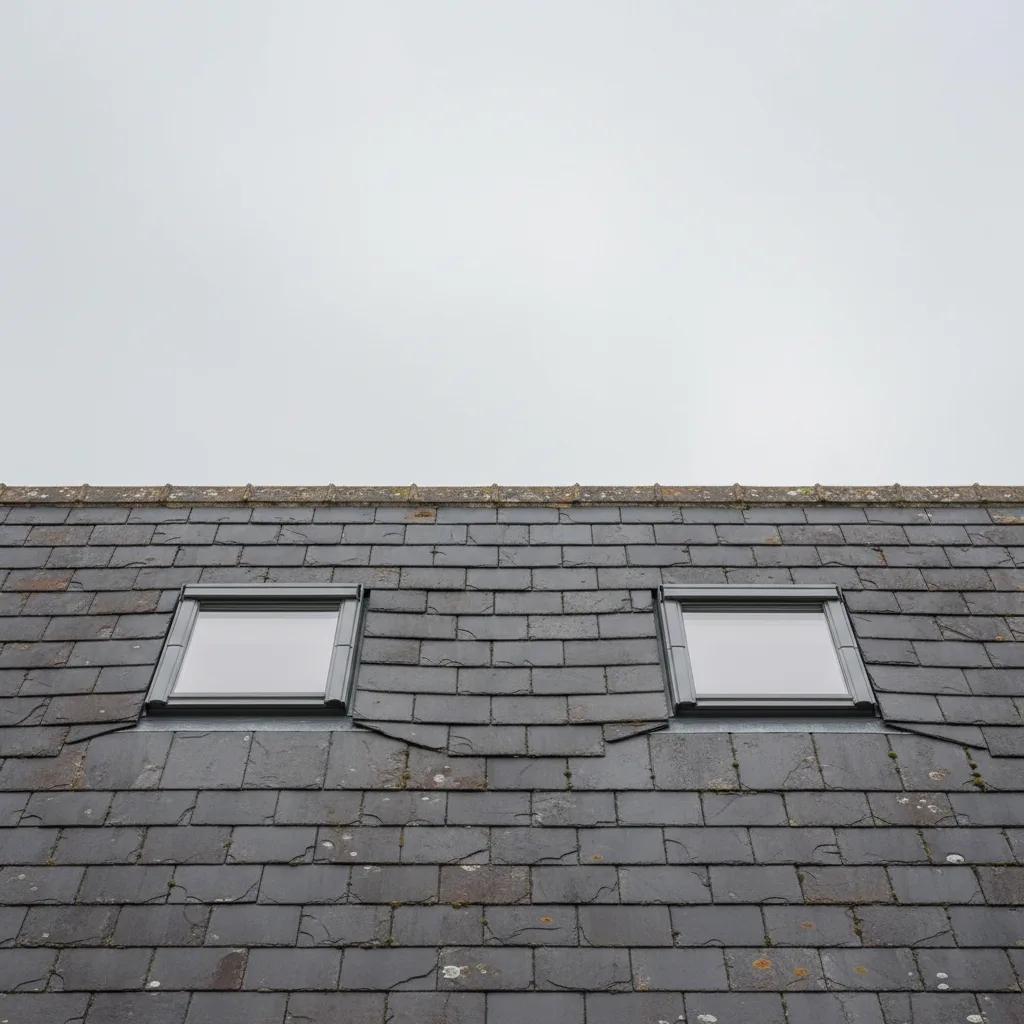
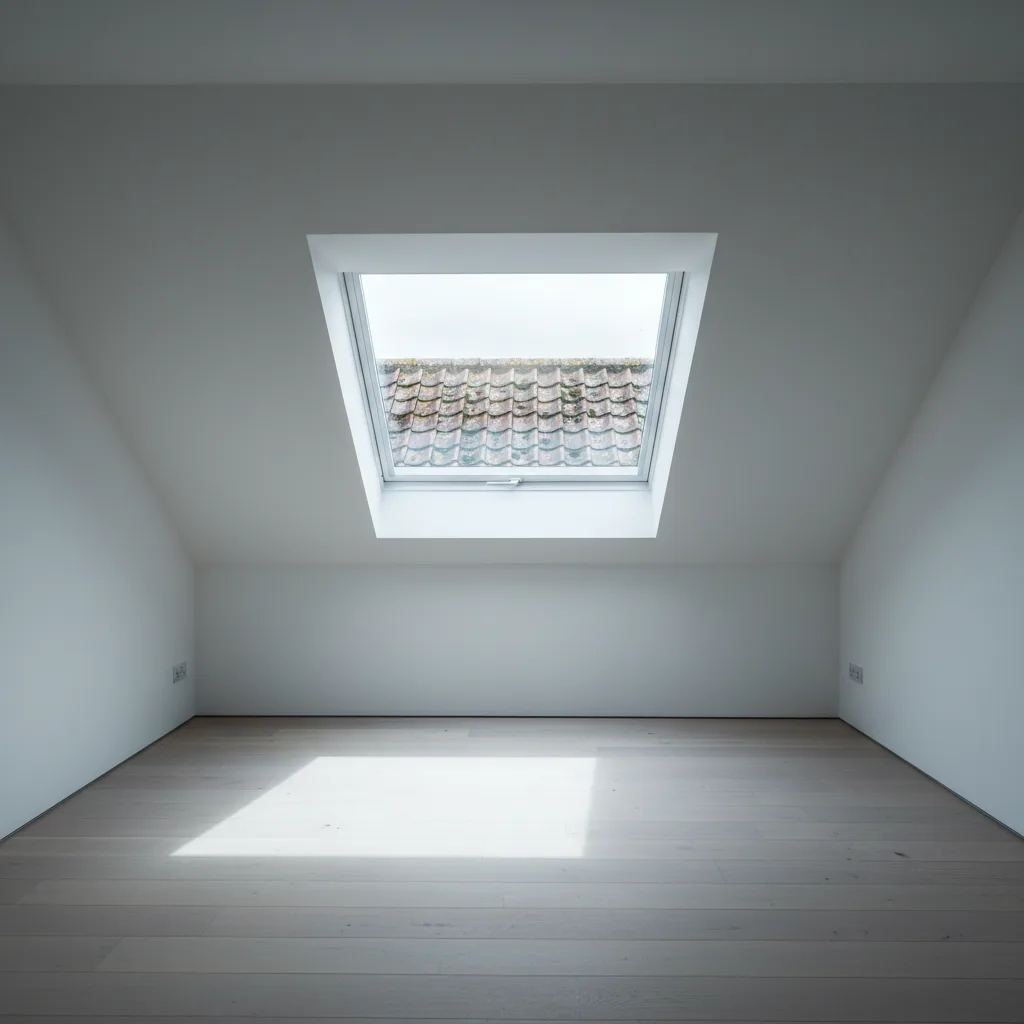
Roof Lantern Installation
12 guidesGuides
- What decides the size of a roof lantern
- Aluminium against timber lanterns near the coast
- Glass specification for a lantern over a kitchen
- Building the kerb a roof lantern sits on
- Lantern pitch, and why 25 degrees keeps coming up
- The steel that carries a roof lantern opening
- Sightlines, and how much frame you actually see
- Powder coat colours and how they weather in Essex
- Placing a lantern over an island or a table
- Opening vents at the ridge of a lantern
- Lanterns on an Essex weatherboard rear extension
- Why a lantern drips in a kitchen and what stops it
Flat Roof Rooflight Installation
12 guidesGuides
- Falls, drainage and standing water around a rooflight
- Upstands and warm roof build ups
- Flush glazed against domed flat rooflights
- Standard sizes and made to measure units
- Flat rooflights on a cold roof build up
- Single ply, felt and GRP roofs around a rooflight
- Laminated glass and flat rooflight security
- Flat rooflights over a bathroom or wet room
- Rooflights on a garage conversion roof
- How many rooflights a flat roof extension needs
- Thermal bridging at the rooflight perimeter
- Vapour control layers sealed to the frame
Roof Window Installation
12 guidesGuides
- Centre pivot against top hung roof windows
- Flashing kits by roof covering
- Roof window sizes and how they are coded
- Trimming rafters for a pitched roof window
- Cill height and the view out
- Escape openings and the rules that govern them
- Handles, catches and child safety
- Pairs and triples on a single slope
- Underlay and sarking around a roof window
- Ventilation flaps and filters
- Timber against polyurethane frames
- Reveals, and why splaying them matters
VELUX Window Installation
12 guidesGuides
- Reading a VELUX size code
- Choosing between the major roof window brands
- VELUX flashing for plain tile, slate and pantile
- VELUX blinds fitted at installation against later
- Integra, solar and manual compared
- Replacing an obsolete VELUX size
- VELUX in a listed or conservation roof
- Maintenance a VELUX actually needs
- Pane replacement against whole unit replacement
- VELUX flat roof windows on a low pitch
- Insulation collars and why they matter
- What the VELUX guarantee does and does not cover
Electric and Opening Rooflights
12 guidesGuides
- Chain actuators and how they work
- Wiring an electric rooflight at first fix
- Rain sensors and what they actually do
- Remote controls, wall switches and smart home links
- Backup power and what happens in a cut
- Solar powered rooflights without a mains run
- Maintaining an electric opening mechanism
- Retrofitting an opener to a manual unit
- Electric blinds fitted inside the rooflight
- Opening rooflights and the stack effect
- Rooflights out of reach, and why they suit motors
- How many openers one switch can control
Energy Efficient Rooflights
12 guidesGuides
- U-values, and what the number is measured across
- Low emissivity coatings and argon fills
- Warm edge spacers and where condensation starts
- Triple glazing in a rooflight, and when it pays
- Part L for a replacement rooflight
- Solar gain, overheating and shading
- Specifying glass by which way the slope faces
- External shading against internal blinds
- Self cleaning and solar control coatings together
- Daylight factor, and how much light you actually gain
- Thermal bridging at the kerb, not the glass
- Whole unit U-value against centre pane
Replacing a Failed or Misted Rooflight
12 guidesGuides
- Misted sealed units and why they go
- Replacing like for like, and when you cannot
- Reusing an existing kerb, and when not to
- Replacing an old dome with flush glazing
- Replacing a rooflight in a finished loft room
- When the opening has to change size
- What is found when the timber is opened up
- Making good the plaster around the opening
- Sequencing a replacement around the weather
- Disposal of the old unit and the old glass
- Matching a discontinued frame profile
- Reading a replacement quotation properly
Walk-On Rooflight Installation
12 guidesGuides
- Load ratings, and what a walk-on unit is rated for
- Anti slip finishes and how they are applied
- Walk-on units in a terrace or balcony deck
- Frame details for a flush walk-on finish
- Structural support beneath a walk-on unit
- Glass floors over a basement or light well
- Drainage around a trafficked rooflight
- Walk-on against non-trafficked specification
- Cleaning and wear on a walk-on surface
- Privacy and obscuration in a glass floor
- Where a walk-on unit makes sense, and where it does not
- Kerb heights when the surface must stay flush
Conservation Rooflight Installation
12 guidesGuides
- What makes a rooflight a conservation rooflight
- Sitting flush with a thick clay pantile
- Colchester conservation areas and what they ask for
- Listed buildings and consent for a rooflight
- Cast iron against pressed steel frames
- Glazing bars, and why there is only one
- Article 4 directions and permitted development
- The Dutch Quarter and the historic core
- Dedham, Nayland and the Colne Valley villages
- Matching a rooflight to a Suffolk pink render cottage
- Working with a conservation officer before ordering
- Slate roofs and the depth a conservation unit sits at
Sun Tunnel Installation
12 guidesGuides
- Rigid against flexible tunnel runs
- Tunnel diameter and the light it delivers
- Sun tunnels through a cold loft
- Diffusers and how the light lands in the room
- Sun tunnels in a bathroom or shower room
- Run length, bends and light loss
- Sun tunnels against a full rooflight
- Condensation inside a tunnel run
- Sun tunnels on a pitched and on a flat roof
- Adding a light kit to a tunnel
- Ceiling positions and where the tunnel can land
- Fire and insulation detailing around a tunnel
Ready to bring the daylight in?
Tell us about your project and we’ll send a clear, fixed written quote, no pressure, no surprises.
- Fixed written price before any work starts
- No pressure, no obligation, no sales calls
- Flexible survey times that suit you
- A reply within one working day